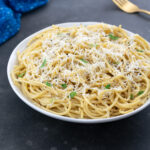
Cacio E Pepe
Enjoy a cozy bowl of creamy Cacio e Pepe with this simple recipe. Made with spaghetti, Pecorino Romano cheese, and freshly cracked pepper, it’s perfect for lunch or dinner. You can enjoy it on its own or pair it with your favorite meats, veggies, or bread for a complete and satisfying meal.
Ingredients
To Cook Pasta
- 1 lb Spaghetti Pasta
- 6 cups Water or enough to cook pasta
- Salt to taste
For Cacio E Pepe
- 1 cup Pecorino Romano Cheese grated
- 1 tsp Black Pepper freshly cracked
- 1½ cups Pasta Cooked Water save extra to adjust the sauce if needed
Instructions
Cooking Pasta
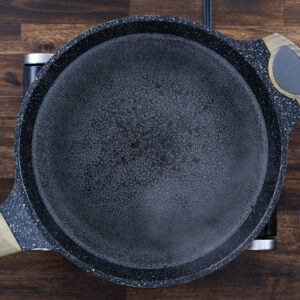
- Start by filling a wide pot with enough water to cook the pasta and season it with salt to taste. Bring it to a gentle boil over medium heat. Using a wide pot gives the pasta enough space to cook evenly and keeps it from sticking. Salting the water adds flavor to the pasta right from the beginning.
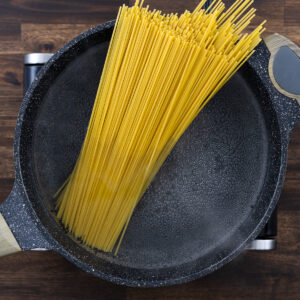
- Add the spaghetti and gently press it down until fully covered by water. This helps the pasta soften evenly and prevents it from clumping as it cooks.
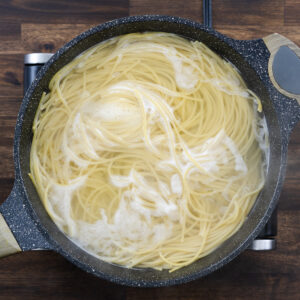
- Cook the pasta until it’s tender, following the instructions on the package. It should be soft but still have a slight bite. Stir now and then to keep the strands from sticking together.
- Once the pasta is done, save some of the pasta water before draining. We’ll use this starchy water later to help melt the cheese and bring the sauce together.
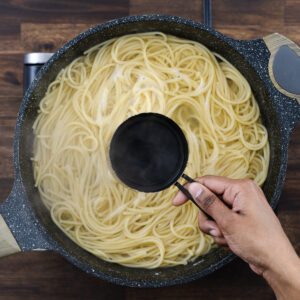
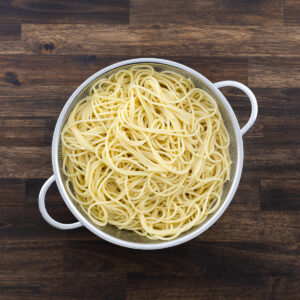
- Drain the pasta and set it aside. If you're not mixing it with the sauce right away, you can rinse it with cold water to stop the cooking process.
Preparing Cacio e Pepe
- In a pan over medium heat, add the butter and let it melt gently. Be careful not to let it brown, as that can change the flavor. Once melted, add the freshly cracked black pepper and sauté for a minute until it smells aromatic. This brings out the pepper’s natural oils and adds great flavor to the sauce.
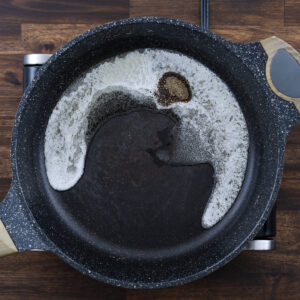
- Add about one-third of the reserved pasta water and stir well. We’ll use the rest in small amounts as needed. This helps form the base of a smooth, slightly thick sauce.
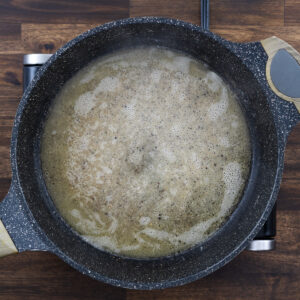
- Add the cooked pasta and toss gently to coat it in the butter and pepper mixture. Add another one-third of the pasta water and continue tossing until everything is evenly coated.
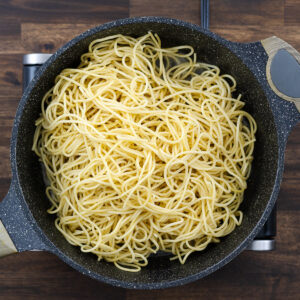
- Add half of the grated Pecorino Romano cheese and mix until it melts into the pasta. Stir gently so the cheese melts evenly without clumping.
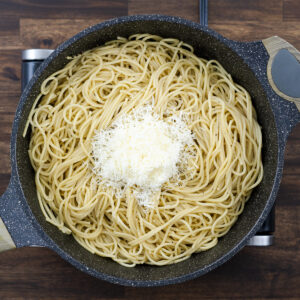
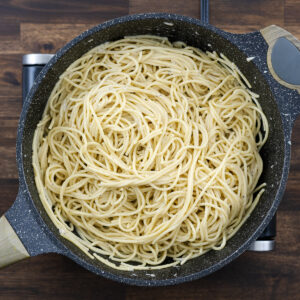
- Add the remaining cheese and the last one-third of the pasta water. Toss everything well until the sauce becomes smooth and creamy. At this point, the pasta should be well coated and ready to serve.
Serving
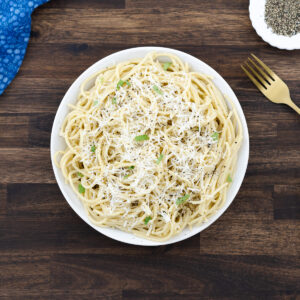
- Serve your Cacio e Pepe warm, topped with more grated Pecorino Romano if you like. You can enjoy it on its own, or pair it with roasted chicken, vegetables, or bread. For more ideas, check out the Serving Suggestions section below.
Notes
Here are some helpful tips to make a perfect Cacio e Pepe every time:
- Use the Right Pasta: Long pasta like spaghetti, tonnarelli, or bucatini works best for this dish. These shapes hold the creamy sauce well. Tonnarelli is the traditional choice—thicker and chewier than spaghetti. I used spaghetti here since it’s easy to find and still gives great results. If you don’t have any of these, linguine or fettuccine are good alternatives, even if they’re not classic picks.
- Use a Large Pot: Cook the pasta in a big pot with plenty of water. It gives the noodles enough space to move around and cook evenly without sticking.
- Save More Pasta Water: It’s better to save a little extra pasta water before draining, just in case. You’ll use it to adjust the sauce, and you might need more than expected.
- Grate the Cheese Yourself: Go for a block of Pecorino Romano and grate it fresh. It melts better and gives you a smoother, creamier sauce. Pre-grated cheese can work in a pinch, but it may contain fillers that cause the sauce to clump or turn gritty. That’s why fresh-grated cheese is the better option for both texture and taste.
- Let the Cheese Come to Room Temperature: Grating and using cheese that’s at room temperature helps it melt more smoothly into the sauce. Cold cheese can clump when mixed with hot pasta water.
- Use a Microplane or Fine Grater: A fine grate helps the cheese melt faster and blend more easily with the pasta water, giving you a creamier sauce without lumps.
- Use Freshly Cracked Black Pepper: This dish gets its bold flavor from freshly cracked black pepper. It adds a warm kick and deep aroma. Pre-ground pepper won’t give the same depth, so try to crack it fresh for the best results.
- Work Quickly While Assembling: After draining the pasta, move fast. Mix it with cheese and pepper while it’s still hot, so the heat helps melt the cheese and emulsify the sauce properly.
- Avoid Overheating the Cheese Sauce: High heat can cause the cheese to clump or turn stringy. That’s why we mix everything off the heat or over very low heat, using the warmth from the pasta and water.
- Adjust Sauce Consistency: If your sauce is too thick or sticky, slowly add some reserved pasta water. This helps loosen the sauce without making it watery. Adding a little at a time also helps the cheese melt and blend smoothly with the pasta.
- Toss, Don’t Stir: Tossing the pasta (using tongs or a fork) while adding cheese and water helps the sauce coat the noodles more evenly than stirring with a spoon.
- About Butter: Butter isn’t traditional, but I’ve used it here for a richer and smoother sauce. It balances the sharpness of the cheese and gives a soft, buttery finish. If you prefer a lighter or more classic version, you can use olive oil instead. It brings a light, fruity note that still works well with the pepper and cheese.
- Experiment with a Mix of Cheeses: Pecorino Romano is the classic choice, but you can try blending in a bit of freshly grated Parmesan. Parmesan has a milder, nutty flavor that can balance out the sharpness of Pecorino. If you’re curious, test it with a small batch and adjust the ratio to match your taste.
- Use a Mixing Bowl Method (Optional): Some cooks prefer tossing the hot pasta, cheese, pepper, and pasta water in a large mixing bowl instead of the pot. This prevents overheating and helps the sauce come together smoothly.
Nutrition
Serving: 1serving | Calories: 517kcal | Carbohydrates: 86g | Protein: 23g | Fat: 8g | Saturated Fat: 5g | Polyunsaturated Fat: 1g | Monounsaturated Fat: 2g | Cholesterol: 26mg | Sodium: 906mg | Potassium: 274mg | Fiber: 4g | Sugar: 3g | Vitamin A: 104IU | Calcium: 301mg | Iron: 2mg
Visit the Recipe
Want to view the full post? Simply scan the QR code with your camera and tap the link.
