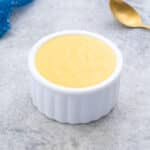
Cheddar Cheese Sauce
Enjoy the rich and creamy flavor of Homemade Cheddar Cheese Sauce with this easy recipe! Made with a smooth roux, milk, and cheddar cheese, it’s the perfect addition to any meal. Pour it over steamed veggies, pair it with roasted meats, drizzle it on fries, or mix it into mac and cheese for a delicious twist!
Ingredients
- 2 tbsp All-Purpose Flour
- 2 tbsp Unsalted Butter
- 1 cup Whole Milk warm
- 1 cup Cheddar Cheese sharp or mild variety
- Salt to taste
- Black Pepper Powder to taste
Instructions
Preparing Cheddar Cheese Sauce
- In a pan over medium-low heat, add the butter and let it melt gently. Avoid browning the butter, as it can give the sauce an unwanted nutty flavor. Once the butter is fully melted, add the all-purpose flour. Stir and cook the flour for about 1-2 minutes, just until it smells slightly toasted. This step removes the raw flour taste and helps create a smooth, thick base for your sauce.
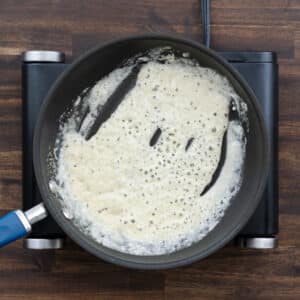
- Gradually pour in the milk while whisking constantly. This technique helps the roux blend evenly with the milk, preventing lumps from forming. If you notice any lumps, keep whisking vigorously until they dissolve.

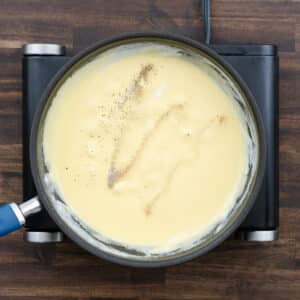
- Add the shredded cheddar cheese in small batches, stirring each addition until it’s fully melted before adding more. I’ve also tried adding it all at once, and it still turned out great! However, adding it gradually helps the cheese blend more smoothly without clumping or curdling. Keep the heat low—if the sauce starts to bubble too much, take it off the heat for a moment and keep stirring.

- Taste the sauce before seasoning. Since cheddar cheese contains salt, you might only need a pinch of additional salt. Add black pepper for a subtle kick and stir well. Remove the pan from the heat to prevent overcooking. Your cheddar cheese sauce is now ready to enjoy!
Serving
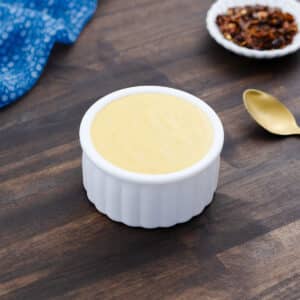
- Drizzle this creamy cheese sauce over steamed vegetables like broccoli or cauliflower for an easy side dish. Use it in mac and cheese, serve it with crispy fries or nachos, or pair it with your favorite snacks. For more ideas, check out the serving suggestions below.
Notes
Here are some tips I’ve found helpful to get smooth, creamy cheese sauce every single time:
- Choose the Right Cheese: If you enjoy bold, vibrant flavors, sharp cheddar is the way to go. For a milder, lighter taste, stick with mild or light cheddar. I always recommend shredding a block of cheddar yourself—freshly shredded cheese melts more evenly than pre-packaged options, which can sometimes make the sauce grainy.
- Butter-Flour Ratio: A standard roux needs equal parts butter and flour. For every tablespoon of butter, use one tablespoon of flour. This balance creates a smooth and thick base for the sauce. If you’re scaling up the recipe, just maintain this 1:1 ratio.
- Use Room Temperature Cheese: Let your cheese sit at room temperature for about 30 minutes before starting. This small step helps it melt smoothly into the sauce. Cold cheese can cool down the mixture, making it harder to achieve that velvety texture.
- Keep the Heat Low: When adding the cheese, always keep the heat on low. High heat can cause the cheese to separate or curdle, leaving the sauce grainy. Low heat allows the cheese to melt gently and blend beautifully with the roux and milk. If the sauce gets too hot, take it off the heat and stir vigorously—it can often save the texture!
- Season Last: Since cheddar already contains salt, it’s best to wait until the end to adjust the seasoning. Once the sauce is ready, taste it and add salt if needed. If you’re serving it with salted foods like fries or chips, you might not need extra salt at all. This way, you can perfectly balance the flavors every time.
- Warm the Milk: Before adding milk to the roux, try warming it slightly. Using warm milk helps it incorporate more easily and prevents lumps, giving you a smoother base for the sauce.
- Add Cheese Gradually: Instead of adding all the cheese at once, add it in small batches and stir well after each addition. This gradual process helps the cheese melt evenly and prevents clumping.
- Avoid Over-Stirring: While stirring is essential, over-stirring after the cheese is melted can cause the sauce to lose its creamy consistency. Stir just until the cheese is fully incorporated.
- Experiment with Cheeses: While cheddar is a classic choice, you can mix in other cheeses for different flavors. Parmesan, Gruyère, or Monterey Jack blend beautifully with cheddar and can elevate the flavor profile of your sauce.
- Use Cornstarch for a Gluten-Free Option: If you’re avoiding flour, replace it with cornstarch as a thickening agent. Mix it with a bit of cold milk to make a slurry before adding it to the sauce.
- Make It Spicy: For those who enjoy heat, add a pinch of cayenne pepper, chili flakes, or even a dash of hot sauce. Adjust the spice level to your taste.
- Prepare Ahead: Cheese sauce can thicken as it cools. If you’re making it ahead of time, keep it slightly thinner during cooking so it reheats to the perfect consistency.
Nutrition
Serving: 1serving | Calories: 216kcal | Carbohydrates: 6g | Protein: 9g | Fat: 17g | Saturated Fat: 10g | Polyunsaturated Fat: 1g | Monounsaturated Fat: 4g | Trans Fat: 0.2g | Cholesterol: 51mg | Sodium: 209mg | Potassium: 119mg | Fiber: 0.1g | Sugar: 3g | Vitamin A: 557IU | Calcium: 277mg | Iron: 0.2mg
Visit the Recipe
Want to view the full post? Simply scan the QR code with your camera and tap the link.
