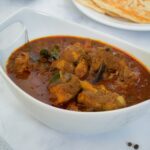
Chicken Chettinad
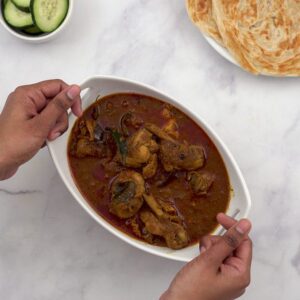
Experience the bold flavors of South India with Chicken Chettinad. This authentic dish from Tamil Nadu’s Chettinad cuisine is renowned for its unique Chettinad masala blend. Aromatic and full of flavor, it pairs perfectly with rice, parotta, or biryani, making it a great choice for both lunch and dinner.
Ingredients
For Chettinad Masala Powder
- 2 Bay Leaves
- 4 Cinnamon Stick small
- 4 Cloves
- 1 Star Anise
- 1 Javitri mace, small
- 2 Kalpasi Flower stone flower
- 9 Dry Red Chillies
- ¼ cup Coriander Leaves
- 1 tsp Fennels Seeds
- 1 tsp Cumin Seeds
- ¼ cup Coconut shredded
For Chicken Chettinad
- 2.25 lb Chicken
- ¼ cup Sesame Oil
- 1 tsp Fennels Seeds
- 1 tsp Cumin Seeds
- 1 tsp Peppercorn
- 3 small size Onion or shallot, sliced
- 2 tsp Ginger Garlic Paste
- ½ tsp Turmeric Powder
- 1 tsp Chilli Powder
- 2 Tomatoes chopped
- Salt to taste
- 1 cup Water
- 2 sprig Curry Leaves
Instructions
Preparing Chettinad Masala Powder
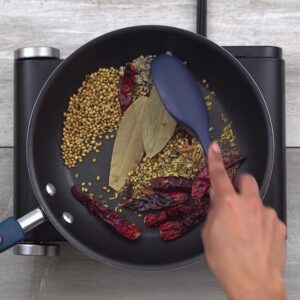
- Place a pan over medium heat and let it warm up slightly before adding the spices. Add the bay leaves, cinnamon sticks, cloves, star anise, javitri (mace), kalpasi (stone flower), dry red chilies, coriander seeds, fennel seeds, and cumin seeds. Sauté these whole spices until they release their aroma. Stir continuously to prevent burning, as even a small burn can introduce bitterness that may affect the entire dish.
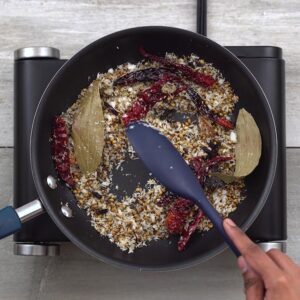
- Once the spices are aromatic, lower the heat and add shredded coconut to the pan. Sauté the coconut gently until it turns golden. The coconut brings a mild sweetness that balances the spices and gives the masala its signature taste.
- Remove the pan from heat and let the mixture cool slightly; this will make it easier and safer to grind. Transfer the spices and coconut mixture to a blender, and grind it into a smooth, fine powder. Take your time with this step, as a finer powder will blend seamlessly into the curry. Set the freshly ground Chettinad masala powder aside for later use in the curry.

Making Chettinad Chicken Curry
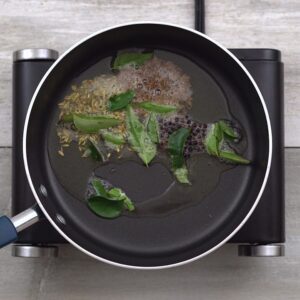
- Begin by heating oil in a pan over medium heat. Add fennel seeds, cumin seeds, peppercorns, and curry leaves. Sauté them until they release their rich flavors and aroma, enhancing the base of your curry.
- Next, add finely chopped onions and sauté until they become soft and translucent. This step builds a flavorful foundation for your curry.
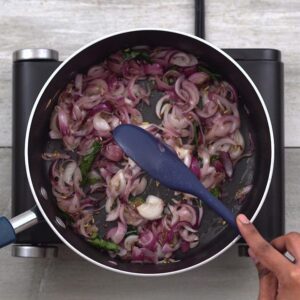
- Add ginger-garlic paste, red chili powder, turmeric, and the Chettinad masala powder you prepared earlier. Stir well to coat the onions, allowing the spices to infuse their flavors into the dish.
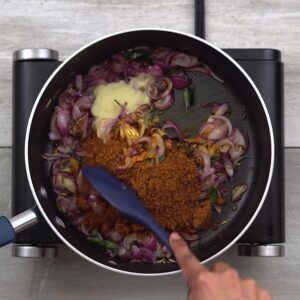
- Add diced tomatoes and sauté until they become soft and mushy. This enhances the curry base and brings a tangy flavor that helps balance the spices.
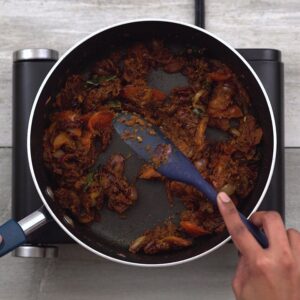
- Add the chicken pieces along with a pinch of salt. Stir well to coat each piece in the spice mixture, making sure the flavors are evenly distributed. This initial coating allows the chicken to start absorbing the spices.
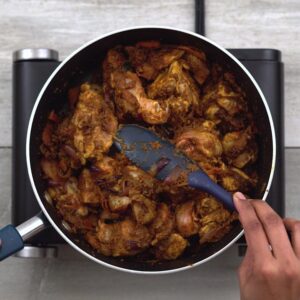
- Cover the pan with a lid and cook the chicken for 7 to 10 minutes. During this time, the chicken will begin to tenderize and soak in the aromatic spices. Cooking it covered at this stage helps the chicken cook evenly while locking in the flavors and moisture.
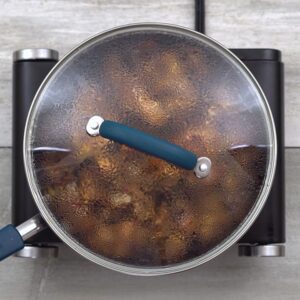
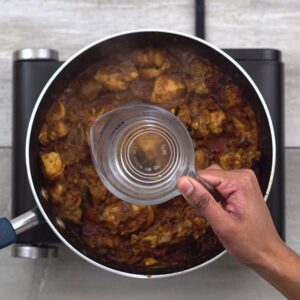
- After 7 to 10 minutes, uncover the pan and give the mixture a quick stir to prevent any sticking at the bottom. Pour in enough water to adjust the consistency of the curry to your liking, adding a bit more if you prefer a thinner gravy.
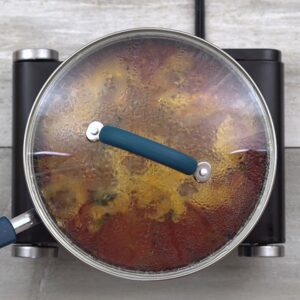
- Cover the pan again and let the chicken simmer for an additional 10 minutes or until it reaches your desired level of tenderness. Keeping the lid on helps trap the flavors and juices.
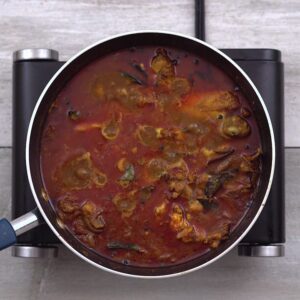
- Remove the lid, add a handful of fresh curry leaves for an extra layer of aroma, and continue simmering until the curry thickens and you see oil releasing from the sides. This final simmering step intensifies the flavors, giving the curry a rich and deep taste. Your Chettinad Chicken Curry is now ready to enjoy!
Serving
- Pair your Chettinad Chicken Curry with steamed rice, biryani, chapati or your favorite bread for a satisfying meal. For more pairing ideas, check out our Serving Suggestions section below.
Notes
Here are some helpful tips to make the best Chettinad Chicken at home.
Ingredients and Preparation:
- Fresh Ingredients: For the best flavor, use fresh chicken and spices. Freshly ground spices bring a vibrant aroma and depth to the curry that pre-ground spices may lack, making the dish taste more authentic and flavorful.
- Perfectly Roasted Spices: Roasting the spices properly is key to achieving an authentic Chettinad flavor. Sauté them until they release a rich aroma, but be cautious not to over-roast, as this can create bitterness.
- Use of Sesame Oil: For an authentic flavor and nutty aroma, use sesame oil to enhance the spices and add a unique taste to the curry. If sesame oil isn’t available, you can substitute with canola, coconut, or groundnut oil—each brings a subtle flavor while preserving the curry’s richness.
- Skip Coconut if Needed: Coconut adds a bit of sweetness and richness to the curry, but if you don’t have it or prefer to skip it, that’s perfectly fine. Just leave it out during the spice roasting step. The curry might be a little less rich, but it will still taste delicious and keep its authentic flavor.
- Curry Leaves for Aroma: Curry leaves are key to that classic Chettinad aroma. You can add them while seasoning and as a garnish at the end—they’re more than just decoration! They bring a distinct South Indian flavor that makes the curry truly special.
Cooking Techniques and Variations:
- Control the Heat: Chettinad cuisine is famous for its bold heat, but you can adjust the amount of chili powder and pepper to your liking. If you prefer a milder flavor, use less chili powder or opt for milder chilies. For those who enjoy extra heat, you can add sliced green chilies for an added kick.
- Slow Cooking for Depth of Flavor: If you have some extra time, try cooking the curry on a low flame for a longer period. This slow cooking process allows the chicken to absorb the spices deeply, enhancing the overall flavor and giving the curry a richer taste. The slow simmer also helps tenderize the chicken nicely.
- Consistency of Gravy: Monitor the consistency of the gravy as it cooks. If it seems too thick, you can add a little water to achieve a smoother texture. If it’s too thin, continue to simmer uncovered for a few more minutes to reduce it.
- Use Store-Bought Masala Powder for Convenience: For those times when you’re short on time, you can use a ready-made Chettinad masala powder. While homemade masala gives a fresher taste, store-bought options are convenient and still bring in authentic flavors, especially when cooking with an Instant Pot or in a rush.
- Add Green Chilies and Cashew Nuts: In Karaikudi, a town in the Chettinad region, green chilies and cashew nuts are added to the curry to bring a slightly different flavor and texture. The green chilies add extra heat and freshness, while cashew nuts provide a subtle richness and slight crunch that complements the spices.
- Try a Dry or Fried Variation: Chettinad Chicken can be made in different styles, including a dry or fried version. For a drier variation, cook the curry until most of the liquid evaporates, or try a fried version like Chicken Sukka or Andhra Chicken Fry
- Alternative Cooking Methods: This recipe is adaptable to different cooking methods. While I’ve described it using a regular pan, it can also be made in a pressure cooker for faster cooking or in an Instant Pot with ease. For Instant Pot users, the recipe below includes instructions to get that authentic flavor with minimal effort.
Nutrition
Serving: 1serving | Calories: 445kcal | Carbohydrates: 11g | Protein: 24g | Fat: 34g | Saturated Fat: 9g | Polyunsaturated Fat: 10g | Monounsaturated Fat: 13g | Trans Fat: 0.1g | Cholesterol: 92mg | Sodium: 106mg | Potassium: 510mg | Fiber: 4g | Sugar: 3g | Vitamin A: 971IU | Vitamin C: 33mg | Calcium: 88mg | Iron: 3mg
Visit the Recipe
Want to view the full post? Simply scan the QR code with your camera and tap the link.
