
Coconut Chicken Curry
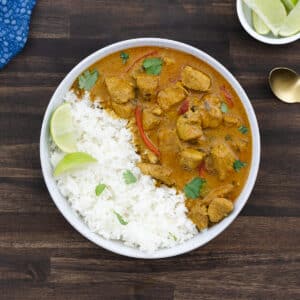
Enjoy the rich, creamy, and bold flavors of this Coconut Chicken Curry with our easy one-pot recipe! Made with tender boneless chicken, aromatic spices, and fresh ingredients, all simmered in creamy coconut milk. It’s perfect served with your favorite steamed white, jasmine, or basmati rice for a comforting lunch or dinner!
Ingredients
- 2.25 lb Boneless Chicken Breast cubed
- 3 tbsp Oil
- 1 Shallot chopped
- ¼ cup Onion chopped
- 4 cloves Garlic chopped
- 1 inch Ginger chopped
- 3 tbsp Thai Red Curry Paste
- 2 tbsp Curry Powder
- 1 tbsp Paprika
- Black Pepper Powder to taste
- Salt to taste
- 1 cup Chicken Broth
- ½ Red Bell Pepper sliced
- ½ Green Bell Pepper sliced
- 1½ cups Coconut Milk full fat, unsweetened
- Cilantro Leaves for garnish
Instructions
Preparing Coconut Chicken Curry
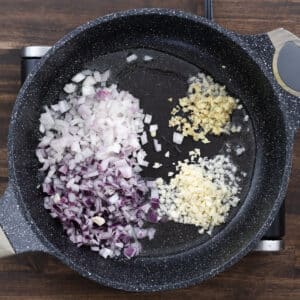
- Start by heating some oil in a wide pan over medium heat. Once it’s hot, add in the chopped onions, shallots, ginger, and garlic. Sauté them until they smell fragrant and turn golden. Be sure to keep an eye on them since garlic and ginger can burn quickly, and you don’t want that to affect the flavor of the dish.
- Next, add the Thai red curry paste and stir it in until it becomes aromatic and you see a little oil releasing from the sides. If you prefer milder heat, check the label on your curry paste—many brands offer a “mild” option. This step really boosts the flavor, so choose your paste based on your spice preference.

- Add the curry powder, paprika, black pepper, and a little salt. Sauté for about 1–2 minutes until the spices become fragrant, but be careful not to burn them. This simple step, known as “blooming,” helps release the oils from the spices, bringing out deeper and richer flavors. Make sure to keep stirring to prevent them from sticking or burning.

- Once the spices are fragrant, add the chicken pieces and give everything a good stir so the chicken gets coated in all that flavor. Let the chicken cook undisturbed for about 2 minutes, allowing it to sear slightly, which helps lock in its juices.

- Now, pour in the chicken broth and mix it well with the chicken. If you have vegetable broth instead, that works too, and I recommend using low-sodium broth so you can control the saltiness better. Broth adds a rich depth to the curry, so I prefer it over water.
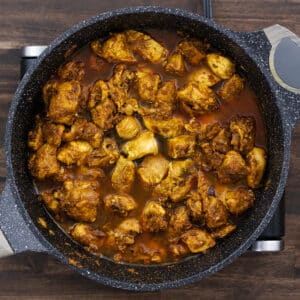
- Once the broth is mixed in, cover the pan with a lid and let it cook for 7 to 10 minutes. Since we’re using boneless chicken breast, it should cook within this time. If you’re using bone-in pieces, just add a little more time to make sure they’re fully cooked.

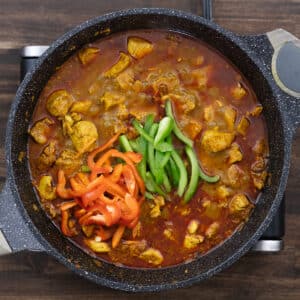
- Once the chicken is cooked, uncover the pan and stir in the sliced bell peppers. Adding them at this stage helps maintain their texture while infusing the curry with flavor. Feel free to add other veggies like squash or snap peas depending on what you prefer!
- Next, pour in the coconut milk and give it all a good stir. If you prefer a creamier texture, full-fat coconut milk is the way to go. For a lighter version, light coconut milk works perfectly fine too.

- Let the curry simmer for about 5 to 7 minutes, so the flavors can really meld together. This simmering step helps the chicken absorb the creamy coconut milk, while the veggies soften just right.

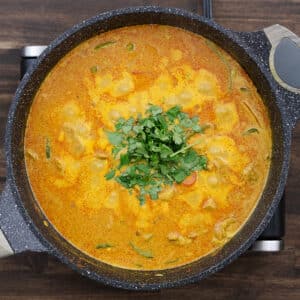
- Finally, garnish with freshly chopped cilantro or Thai basil for a burst of freshness and aroma. Once garnished, remove the curry from heat, and it’s ready to be served!
Serving
- Serve this rich and creamy Coconut Chicken Curry with a bowl of fluffy white, basmati, or jasmine rice, or any other side you prefer. For more ideas, check out the Serving Suggestions section below!
Notes
Here are some helpful tips to perfect your Coconut Chicken Curry every time:
- Choose the Right Chicken: While I usually go with boneless chicken for quicker cooking, bone-in chicken brings a deeper, richer flavor. Just remember, bone-in pieces take a bit longer to cook—especially if you're using country chicken, which needs more time than organic or free-range varieties. So, make sure to adjust the cooking time accordingly.
- Don’t Skip Blooming Your Spices: Blooming spices is key for deep flavor. Sauté your Thai red curry paste and spices—like curry powder, paprika, and black pepper—in oil for a couple of minutes until they’re fragrant. This simple step adds a special depth to your curry’s flavor.
- Adjust Consistency: You can easily control the texture of your curry. For a thicker, heartier curry, let it simmer uncovered a little longer to reduce the liquid. If you prefer a lighter, more soupy curry, just add a bit more chicken broth or coconut milk to thin it out and enhance the flavor.
- Garnish for Extra Flavor: A sprinkle of toasted coconut, roasted peanuts, or chopped cashews can add a lovely crunch and extra flavor to the dish. Fresh lime wedges also bring a bright, tangy contrast that enhances the richness of the curry.
- Let the Curry Rest: If you have time, let your curry rest for about 10–15 minutes before serving. This allows the flavors to meld together, making the dish even more flavorful.
- Make It Ahead: Coconut Chicken Curry often tastes better the next day, as the flavors have time to develop. If you’re meal prepping or hosting guests, consider making the curry a day ahead and reheating it. You’ll be surprised by how much more flavorful it becomes!
- Experiment with Vegetables: I’ve used bell peppers here, but feel free to add any vegetables you love! Zucchini, yellow squash, snap peas, potatoes, or sweet potatoes can bring extra nutrition and flavor. Just adjust the cooking time so everything cooks perfectly.
Nutrition
Serving: 1serving | Calories: 613kcal | Carbohydrates: 11g | Protein: 58g | Fat: 38g | Saturated Fat: 20g | Polyunsaturated Fat: 4g | Monounsaturated Fat: 10g | Trans Fat: 0.1g | Cholesterol: 164mg | Sodium: 531mg | Potassium: 1321mg | Fiber: 2g | Sugar: 3g | Vitamin A: 2473IU | Vitamin C: 42mg | Calcium: 75mg | Iron: 5mg
Visit the Recipe
Want to view the full post? Simply scan the QR code with your camera and tap the link.
