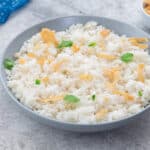
Coconut Rice (3+ Variations)
Enjoy the rich, aromatic flavors of coconut rice with this simple stovetop method. Made with fragrant jasmine rice simmered in creamy coconut milk, it's the perfect side dish for curries, stir-fries, roasted meats, or seafood, whether for lunch or dinner.
Ingredients
- 1½ cups Jasmine Rice or basmati rice, or any long grain rice
- 14 oz Full Fat Coconut Milk
- ½ cup Water
- 1 tsp Sugar
- Salt to taste
- Dried Coconut Flakes to garnish, optional
Instructions
Preparing Coconut Rice
- Start by rinsing the rice under water until it runs clear. This helps remove excess starch, making the rice turn out light and fluffy.
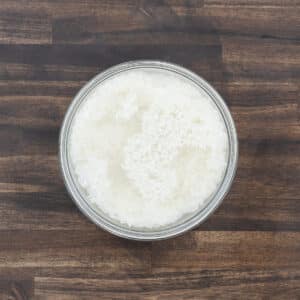
- In a pan over medium heat, add the rinsed rice, coconut milk, water, sugar, and salt. Stir everything well so the ingredients mix evenly. Coconut milk is thick, so stirring well helps coat the rice evenly, giving it the best texture and flavor.
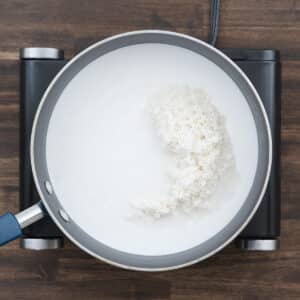
- Bring the mixture to a boil. Once it starts boiling, gently stir the rice and coconut milk to keep it from sticking to the bottom of the pan.

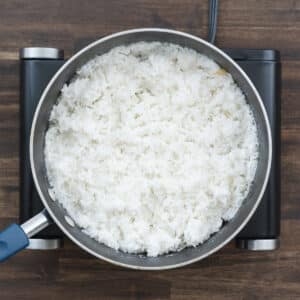
- Lower the heat to a simmer and cover the pan with a lid. Let the rice cook for about 10 minutes. Try not to lift the lid while it's cooking, as you’ll lose the steam, which can result in unevenly cooked rice.

- After cooking, turn off the heat and let the rice rest, covered, for another 15 minutes to steam and fluff up. The leftover heat will help absorb any remaining moisture. If you fluff the rice right away while it's still hot, it might turn sticky and gooey because of the creamy coconut milk. Once the resting time is done, gently fluff the rice with a fork to separate the grains, and it's ready to enjoy!
Serving
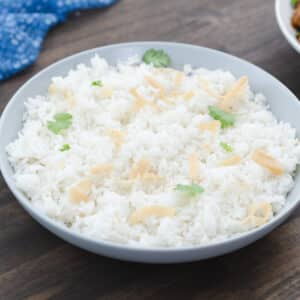
- Serve the coconut rice garnished with dried coconut flakes. It goes great with curries, stir-fries, or roasted meats, making it perfect for lunch or dinner. For more ideas, check out the serving suggestions section below.
Notes
Here are some essential tips for making perfect coconut rice every time:
- Use the Right Ratio: For this recipe, I use a 1:1.5 rice-to-liquid ratio, combining both coconut milk and water. You can adjust this based on how rich you want the flavor. For a richer taste, increase the amount of coconut milk. If you prefer a more balanced flavor, use equal parts coconut milk and water, following the suggested ratio.
- Don’t Overcook: Keep an eye on the rice as it finishes cooking to prevent overcooking. Coconut milk can thicken and stick to the bottom of the pot, causing the rice to scorch. This can affect the flavor, so monitoring it closely is key. Stick to the suggested cooking time for perfectly fluffy rice.
- Season to Your Preference: While this recipe is a basic version of coconut rice, feel free to add your own touch. Whole spices, aromatics like ginger and garlic, or herbs like scallions can elevate the flavor and add a unique twist.
- Use the Right Pan:A heavy-bottomed pan is best for making coconut rice because it distributes heat evenly, preventing the rice from burning or scorching at the bottom.
- Reheating the Rice: If you need to reheat leftover coconut rice, sprinkle a little water over the rice before microwaving or reheating on the stovetop. This helps prevent the rice from drying out and keeps it fluffy.
- Variations: I’ve shared different variations of coconut rice, from Indian to Jamaican, in the sections below. Be sure to check them out if you’re interested in exploring these unique versions.
Nutrition
Serving: 1serving | Calories: 453kcal | Carbohydrates: 59g | Protein: 7g | Fat: 22g | Saturated Fat: 19g | Polyunsaturated Fat: 0.4g | Monounsaturated Fat: 1g | Sodium: 18mg | Potassium: 298mg | Fiber: 1g | Sugar: 1g | Vitamin C: 1mg | Calcium: 38mg | Iron: 4mg
Visit the Recipe
Want to view the full post? Simply scan the QR code with your camera and tap the link.
