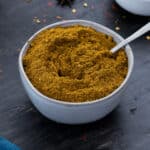
Curry Powder
Explore this vibrant homemade Curry Powder recipe! Made from aromatic Indian spices like coriander, cumin, and mustard, this warm, mildly spicy blend is perfect for authentic Indian curries. It also beautifully enhances roasted veggies, side dishes, pasta, and rice, infusing each bite with a burst of bold flavor.
Ingredients
- 1 Cinnamon Stick small
- 2 Star Anise
- 5 Cardamom
- 15 Cloves
- ½ tsp Fenugreek Seeds
- 1½ tbsp Whole Peppercorn
- ¼ cup Cumin Seeds
- 2 tbsp Fennel Seeds
- 1 tbsp Mustard Seeds
- 1 cup Coriander Seeds
- 8 Dry Red Chili
- 2 sprig Curry Leaves fresh
- 1 tbsp Turmeric Powder
Instructions
Making Curry Powder
- In a pan over medium-low heat, add all the whole spices and curry leaves listed in the ingredients section, except for the turmeric powder. Ensure the pan is dry to avoid any moisture affecting the roasting process.
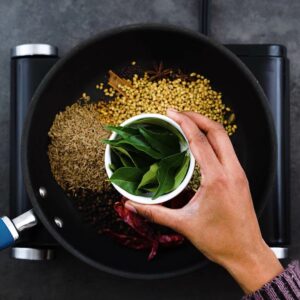
- Gently sauté the spices until they become aromatic. The low heat helps release their natural oils, enhancing the aroma. Be careful not to burn them, as this can alter the final taste and scent.

- Once the spices are sufficiently toasted and aromatic, turn off the heat. Immediately add the turmeric powder to the hot spice mix, stirring quickly to combine well. The residual heat will help integrate the turmeric without cooking it, preserving its vibrant color and health benefits.

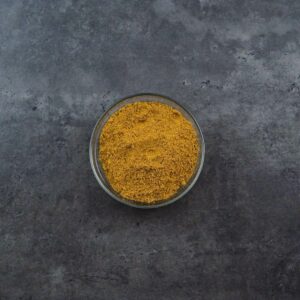
- Allow the spice mixture to cool completely to room temperature to ensure a uniform texture and safe handling. Once cooled, transfer the mixture to a blender or spice grinder and process until you achieve a fine, smooth powder.
Using
- This Curry Powder is versatile and infuses bold Indian flavors into chicken curries, vegetable dishes, roasted vegetables, and various non-vegetarian meals. For more pairing ideas, be sure to check out our 'How to Use' section below.
Notes
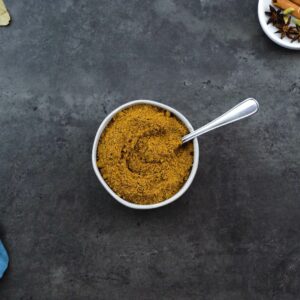
Here are my top tips to help you make the perfect homemade Curry Powder tailored to your liking:
- Choose Quality Spices: Select high-quality, whole spices for the best aroma and taste. Organic spices or those from reputable Indian grocery stores are ideal.
- Inspect and Clean Spices: Before using, inspect whole spices and clean them to remove any stones, dirt, or debris. This ensures safety and purity.
- Manage Temperature: Toast spices on low to medium heat. This step helps release their natural oils, significantly enhancing the aroma and flavor of your curry powder. Be especially careful to avoid burning the spices, as even a slight scorch can alter the taste of your entire batch.
- Incorporate Curry Leaves: Use fresh curry leaves if available for their distinctive aroma. Both fresh and dried leaves can be found in Indian grocery stores and significantly enhance flavor.
- Customize with Care: While you can adjust the quantity of ingredients in your curry powder, be careful not to overdo it. This helps avoid creating a blend that's overly spicy or pungent. Sticking to the spice ratios recommended in this recipe gives a balanced blend.
- Taste Testing: Before adding your homemade curry powder to dishes, taste it first. Adjust the blend according to your preference for heat, sweetness, or pungency by tweaking the amount of specific spices like chili, sugar, or garlic powder.
- Experiment with Regional Variations: Indian cuisine varies widely by region. Experiment with adding different spices like nutmeg, mace, or saffron for a Kashmiri version, or asafoetida for a South Indian touch.
Nutrition
Serving: 2tsp | Calories: 8kcal | Carbohydrates: 1g | Protein: 0.3g | Fat: 0.4g | Saturated Fat: 0.03g | Polyunsaturated Fat: 0.1g | Monounsaturated Fat: 0.3g | Sodium: 1mg | Potassium: 31mg | Fiber: 1g | Sugar: 0.02g | Vitamin A: 8IU | Vitamin C: 2mg | Calcium: 17mg | Iron: 1mg
Visit the Recipe
Want to view the full post? Simply scan the QR code with your camera and tap the link.
