
Egg Curry
This Egg Curry is a mildly spiced, flavorful Indian dish made with boiled eggs, aromatic spices, creamy coconut paste, and fresh herbs. Perfect for lunch or dinner, it pairs wonderfully with roti, chapati, parotta, appam, dosa, or a variety of rice dishes like plain rice, basmati, or biryani. It’s a comforting, versatile dish that’s easy to enjoy with your favorite sides.
Ingredients
For Coconut Paste
- ½ cup Coconut shredded
- 1 tsp Fennel Seeds
- ½ cup Water
For the Curry
- 6 Boiled Eggs hard boiled, halved
- ¼ cup Oil
- 1 Star Anise
- 2 piece Cinnamon Sticks small
- 1 Javitri small piece
- 3 Cloves
- 4 Cardamom
- 2 Kalpasi Flower
- 1 tsp Cumin Seeds
- 1 tsp Fennel Seeds
- 2 Onion chopped
- ½ tsp Turmeric Powder
- Salt to taste
- 1 tsp Chili Powder
- 2 tsp Coriander Powder
- 1 tsp Ginger Garlic Paste
- 2 Tomato chopped
- 1½ cup Water
For Garnishing
- ¼ cup Coriander Leaves
Instructions
Making Coconut Paste
- In a blender, add shredded coconut, fennel seeds, and a little water. The water helps the ingredients blend smoothly, so start with a small amount and add more if needed.
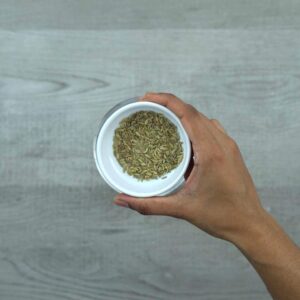
- Blend until you achieve a smooth and creamy paste. Scrape down the sides of the blender as needed to make sure everything blends evenly. Once ready, set the paste aside for later use. For an extra creamy texture, use freshly grated coconut. If you’re using frozen or desiccated coconut, soak it in warm water for a few minutes before blending to soften it and make blending easier.

Making the Egg Curry
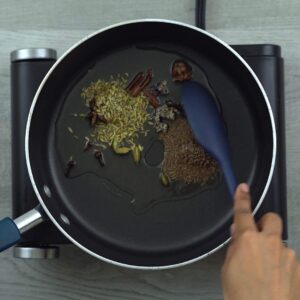
- Heat oil in a pan over medium heat. Add star anise, cinnamon sticks, cloves, cardamom, Kalpasi (stone flower), cumin, and fennel seeds. Sauté the spices until they release a fragrant aroma. This step infuses the oil with their flavors, creating a rich and aromatic base for the curry. Be careful not to burn the spices, as it can make the curry bitter.
- Add finely chopped onions to the pan and cook them until they become soft and translucent. Stir frequently to prevent burning. Properly sautéed onions form a sweet, flavorful base that balances the spices and gives the curry depth.

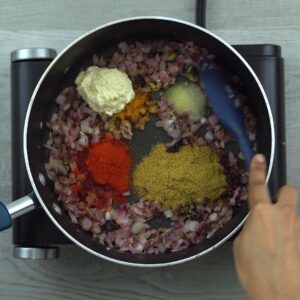
- Stir in ginger-garlic paste, salt, turmeric powder, chili powder, and coriander powder. Cook until the mixture becomes aromatic and the raw smell of the spices disappears.
- Add chopped tomatoes and sauté until they break down completely and turn mushy. This adds a tangy sweetness to the curry and helps thicken the base. If the tomatoes seem dry, add a little water to help them soften and cook evenly.

- Add water to the pan based on your preferred curry thickness. For a thicker curry, use less water; for a lighter consistency, add more. Stir the mixture thoroughly to combine, then cover the pan and let it simmer for 7 to 10 minutes. This simmering step allows the flavors to meld and develop fully.

- Open the lid and add the coconut paste you prepared earlier to bring a creamy texture and rich flavor to the curry. Stir gently to mix the paste evenly into the curry, avoiding any clumps.
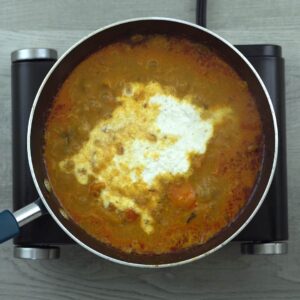
- Let the curry boil gently for 3 to 5 minutes. Carefully add the boiled eggs, making sure they are well-coated with the curry. For enhanced flavor, you can either cut the eggs in half or slightly score them with a fork before adding. Stir gently to prevent breaking the eggs while keeping them evenly coated.

- Lower the heat and let the eggs simmer in the curry for 5 to 7 minutes. This step helps the eggs soak up the flavors, enhancing the overall taste. Be patient here, as it makes a big difference in the final dish. If you prefer a thicker consistency, you can simmer the curry a bit longer at this stage.

- Finally, garnish the curry with freshly chopped coriander leaves and remove it from the heat. Your aromatic and flavorful Egg Curry is now ready to be served and enjoyed!

Serving
- Serve this Egg Curry with roti, parotta, appam, chapati, or your favorite rice dishes. For additional pairing ideas, check out the Serving Suggestions section below.

Notes
Here are some essential tips to help you make the best Egg Curry that everyone will enjoy:
- Use Fresh Ingredients: Using fresh, ripe tomatoes and high-quality coconut significantly enhances the curry's flavor. Fresh tomatoes add a natural tangy sweetness, while good-quality coconut provides a creamy and nutty depth. Avoid canned or overripe ingredients, as they may affect the taste and texture of the dish.
- Quality of Eggs: For the best egg curry, use eggs that are 1-2 weeks old. While fresh eggs have firmer whites and creamier yolks, slightly older eggs are actually easier to peel and still maintain their structure well in curry. To check if eggs are still good to use, place them in a bowl of water—fresh eggs sink and lie flat, eggs that stand upright are still usable, but floating eggs should be discarded as they're too old.
- Flavorful Eggs: Halving boiled eggs allows more curry masala to coat both the whites and yolks, intensifying the flavor in every bite. If you prefer using whole eggs, make small slits with a knife or fork before adding them. This creates pockets for the curry sauce to cling to while keeping the eggs intact.
- Timing for Adding Eggs: Add the boiled eggs towards the end of cooking to prevent them from overcooking. If added too early, the yolks may dissolve into the curry, resulting in a less appealing texture and taste. This is especially important if the eggs are halved.
- Cashew Paste Alternative: For a rich, North Indian-style variation, replace coconut paste with cashew paste. Soak cashews in warm water for 30 minutes before blending into a smooth paste. Cashew paste will thicken the curry while adding a luxurious, creamy nuttiness.
- Balance the Spice: Tailor the spiciness to your preference by adjusting the type and quantity of chili used. For a mild curry, opt for Kashmiri red chili powder, which adds a vibrant color without too much heat. For a spicier curry, use fresh green chilies or spicier chili powders like Thai or bird’s eye chili.
- Experiment with Herbs: Garnish the curry with fresh herbs like curry leaves or coriander to elevate its aroma and flavor. Curry leaves provide an earthy, slightly citrusy note, while coriander adds a bright and fresh aromatic touch. Add these herbs just before serving to preserve their delicate flavors and bring out the dish’s full complexity.
Nutrition
Serving: 1serving | Calories: 310kcal | Carbohydrates: 14g | Protein: 11g | Fat: 25g | Saturated Fat: 6g | Polyunsaturated Fat: 5g | Monounsaturated Fat: 12g | Trans Fat: 0.1g | Cholesterol: 246mg | Sodium: 118mg | Potassium: 448mg | Fiber: 5g | Sugar: 5g | Vitamin A: 1099IU | Vitamin C: 14mg | Calcium: 114mg | Iron: 3mg
Visit the Recipe
Want to view the full post? Simply scan the QR code with your camera and tap the link.
