
Fish Biryani
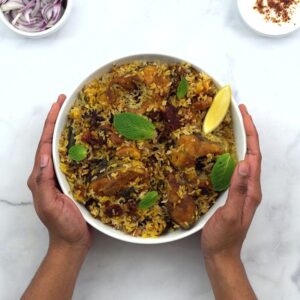
Kerala Style Fish Dum Biryani is a fragrant South Indian seafood dish. Prepared by layering aromatic Kaima or Seeraga samba rice with smear-fried fish and a rich biryani masala gravy, it's slow-cooked using the dum method. This flavorful meal is an excellent choice for lunch or dinner.
Ingredients
For Marination
- 5 piece Fish catfish, tilapia, and king fish are excellent choices
- 1 tsp Chili Powder
- 1 tsp Coriander Powder
- ½ tsp Turmeric Powder
- 1 tsp Salt
- 1 tbsp Water
For Ghee Rice
- ¼ cup Ghee
- 2 Bay Leaves
- 3 Cinnamon Stick
- 4 Cloves
- 4 Cardamom
- 1 Star Anise
- 1 Javitri
- 1 tsp Cumin Seeds
- ¼ cup Cashew Raisin Mix
- ¼ cup Onion chopped
- 1 cup Seeraga Samba Rice
- 1½ cup Water
- 1 tsp Salt
For Masala Gravy
- ¼ cup Oil
- 2 Onion chopped
- 2 tsp Ginger Garlic Chili Paste
- 1 tsp Garam Masala Powder
- 1 tsp Coriander Powder
- 2 tsp Biryani Masala
- Salt to taste
- 1 Tomato chopped
- ¼ cup Curd plain yogurt
- ¼ cup Mint Leaves
- ¼ cup Coriander Leaves
- 1 tbsp Yellow Food Color optional
- Fried Onions for topping
Instructions
Marinating the Fish
- In a bowl, mix together chili powder, coriander powder, turmeric powder, salt, and a splash of water to create a smooth paste.

- Place the fish slices in the bowl and gently coat each piece evenly with the masala paste. Let the fish marinate for at least 15 minutes to allow the flavors to deeply infuse into the fish, enhancing the overall taste of your biryani.

Preparing Ghee Rice
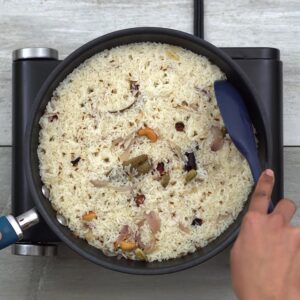
- In a medium-sized pan, melt ghee over medium heat. Add aromatic spices such as bay leaves, cinnamon sticks, cloves, cardamom, star anise, javitri, and cumin seeds. Toss in cashews and raisins and sauté until the spices sizzle and the raisins puff up, releasing a rich fragrance.
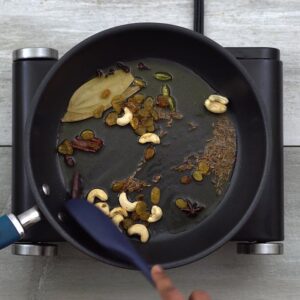
- Add finely chopped onions to the pan. Sauté until they are golden and soft, which adds a sweet depth to the flavor base.

- Stir in the pre-soaked Seeraga Samba rice, making sure each grain is nicely coated with the spiced ghee. This helps to infuse the rice with flavors from the beginning.
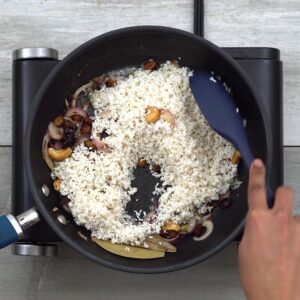
- Add water and sprinkle in salt to taste. Give the mixture a thorough stir to evenly distribute the spices and seasoning.

- Allow the rice to cook until it’s about 70% done. This is crucial as it prevents the rice from becoming mushy when you later cook it with the other biryani layers.
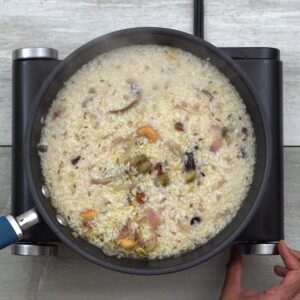
- Reduce the heat to low, cover the pan with a tight lid, and let the rice gently simmer for an additional 10 minutes. The slow cooking helps the rice absorb all the aromatic flavors without burning.
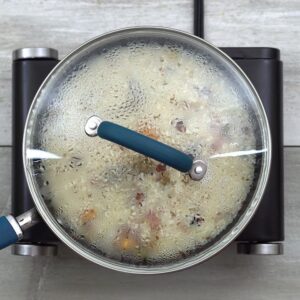
- Once cooked, turn off the heat and gently fluff the rice with a fork to separate the grains while keeping them intact. Keep the ghee rice aside, ready for layering with the rest of your biryani components.
Frying the Fish
- Heat oil in a pan over medium heat. Once hot, carefully add the marinated fish pieces one at a time to avoid crowding.

- Fry the fish for about 2 to 3 minutes on each side, until they are golden and partially cooked.

- Remove the fish from the oil when they're about 70% cooked. This ensures they remain tender and will finish cooking perfectly within the layers of the biryani, without drying out.

Preparing Masala Gravy
- In the same pan used for frying the fish, sauté chopped onions in the leftover oil until they turn soft and golden. This step captures the rich flavors left behind by the fish, enriching the gravy.

- Introduce ginger-garlic-chili paste into the pan and cook until the raw aroma fades, ensuring the base of your gravy is fragrant and robust.

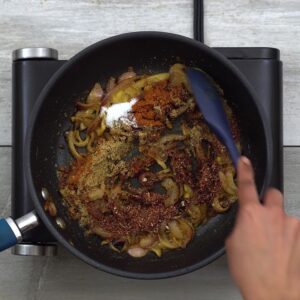
- Sprinkle in garam masala powder, coriander powder, biryani masala, and a little salt. Stir well to evenly distribute the spices, allowing them to release their flavors.
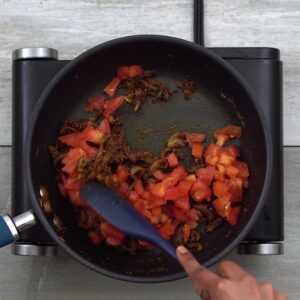
- Toss in chopped tomatoes and cook until they break down and become mushy, forming a thick base for the gravy.
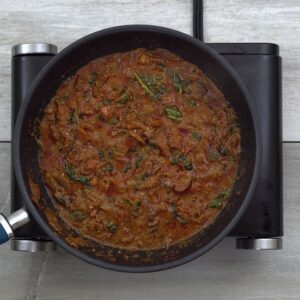
- Add curd along with fresh mint and coriander leaves. Mix thoroughly to incorporate the creamy texture and fresh herbal notes into the gravy.

- Pour in water and allow the gravy to simmer gently. Cook until it thickens and oil starts to separate on the edges, indicating it’s perfectly cooked and ready to layer with your biryani.
Layering the Biryani
- In a wide-bottomed pan, create a foundation by generously spreading a layer of the prepared biryani masala gravy. Over this, evenly spread the ghee rice.

- Add another layer of gravy on top of the rice. Carefully place the fried fish pieces over this, then cover them with the remaining gravy. Sprinkle fried onions and fresh mint leaves for added flavor and aroma.
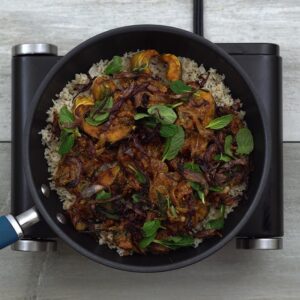
- Continue the layering process as needed. For a colorful final touch, drizzle some yellow food coloring across the top.
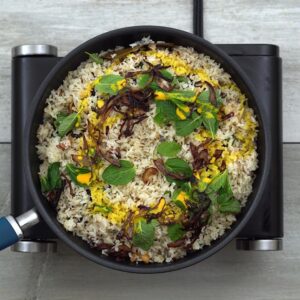
- Seal the pan with a lid and let the biryani simmer on low heat for about 10 minutes. This gentle cooking helps the flavors meld together.
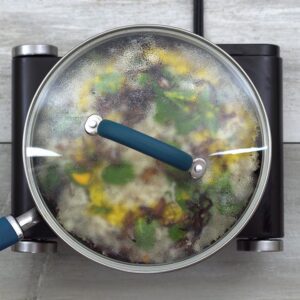
- Once cooked, carefully open the lid and gently fluff up the layers to mix slightly without breaking the fish. Your aromatic and delicious Kerala-style fish biryani is now ready to enjoy!
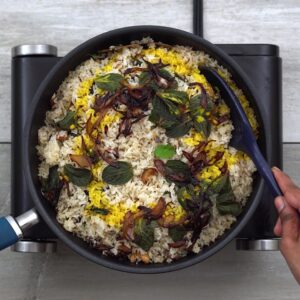
Serving
- Serve this delectable Kerala Fish Dum Biryani with your choice of non-veg gravies, raita, or simply savor it on its own. Each option complements the rich flavors of the biryani, making your meal truly satisfying.
Notes
Here are my tips for making the perfect Fish Biryani right in your kitchen:
- Choice of Rice: I always use Kaima or Seeraga Samba rice for that authentic Kerala fish biryani flavor. Their unique tastes are key to the traditional experience.
- Rice Preparation: Be sure to wash the rice until the water is clear to remove excess starch, which helps keep the grains separate and fluffy. Soaking the rice for at least 30 minutes before cooking improves texture and reduces cooking time.
- Best Fishes for Biryani: To make a tasty and hassle-free fish biryani, go for Catfish, Tilapia, Kingfish, or Salmon. These types have firm textures and rich flavors, perfect for steaks or boneless fillets. Avoid smaller, bony fish like Sardines and Indian Mackerel to make your biryani more enjoyable.
- Using Curd: Normally, coconut milk is the go-to for Kerala biryani, but I didn't have any on hand, so I used curd instead. It turned out to be a great substitute, keeping the biryani creamy while adding a refreshing tang.
- Regional Twists: Fish Biryani varies across Kerala. Thalassery biryani skips tomatoes and coriander powder for a simpler flavor, while Malabar biryani includes these and more spices for a richer taste.
Nutrition
Serving: 1serving | Calories: 614kcal | Carbohydrates: 67g | Protein: 9g | Fat: 36g | Saturated Fat: 11g | Polyunsaturated Fat: 7g | Monounsaturated Fat: 17g | Trans Fat: 0.1g | Cholesterol: 39mg | Sodium: 1583mg | Potassium: 431mg | Fiber: 7g | Sugar: 5g | Vitamin A: 815IU | Vitamin C: 15mg | Calcium: 150mg | Iron: 3mg
Visit the Recipe
Want to view the full post? Simply scan the QR code with your camera and tap the link.
