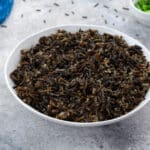
How to Cook Wild Rice
Learn how to perfectly cook wild rice with our simple stovetop absorption method. With its nutty flavor and chewy texture, this nutritious grain is ideal as a side dish with roasted meats, seafood, or vegetables. It’s also excellent for adding to salads and soups!
Instructions
Cooking Wild Rice
- Start by thoroughly rinsing the wild rice under cold running water to remove any dust or debris. Then, fill a wide pot with water, add the rinsed rice and a pinch of salt, and bring it to a rapid boil over medium heat.
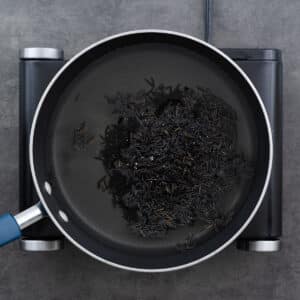
- Once the water is boiling vigorously, reduce the heat to low, cover the pot with its lid, and let the rice simmer. Cook for about 35 to 50 minutes. Check the rice at the 35-minute mark by testing a few grains; they should be split open and have a chewy texture. If they aren’t ready, continue cooking until they are.
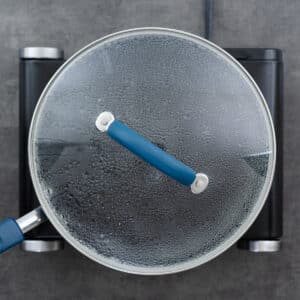
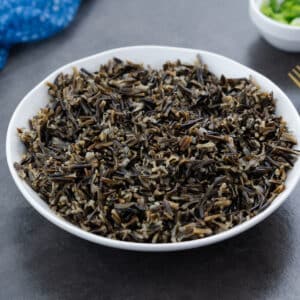
- After the rice is cooked, turn off the heat and let it sit, covered, for about 5 minutes. This allows the rice to absorb any remaining moisture using the residual heat. Then, fluff the rice gently with a fork to separate the grains without breaking them. Now your healthy wild rice is ready to enjoy!
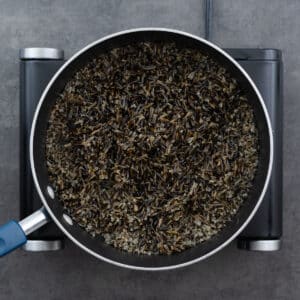
Serving
- Serve this nutrient-packed wild rice as a side dish with roasted chicken, seafood, or your favorite vegetables. For more pairing ideas, be sure to check out our serving suggestions section below.
Notes
Here are some helpful tips to ensure your wild rice turns out perfectly fluffy and chewy every time:
- Choosing Rice: You can find wild rice in the grains aisle or the bulk section of most grocery stores. Opt for natural wild rice, which is usually darker and has a richer flavor. Cultivated wild rice, which is lighter and milder, is also an option. Avoid wild rice blends or precooked options for this recipe.
- Rice Water Ratio: The ideal ratio for the absorption method is 1:3, as often recommended on wild rice packages. This ratio helps the rice cook to a nutty flavor and chewy texture. Always check the instructions on your specific rice package, as the best ratios may vary by brand.
- Draining Excess Liquid: Once the rice reaches the desired cooked texture, if there's any leftover water, drain it to prevent the rice from becoming soggy. Although the rice I used absorbed all the water nicely, wild rice doesn't always absorb everything, so you may need to drain any excess water.
- Seasoning After Cooking: While it’s common to season during cooking, adding flavors like black pepper, cilantro, chives, or other herbs afterward can further enhance the dish.
- Pre-Soaking: Soak wild rice in water for several hours or overnight before cooking. This can decrease the overall cooking time and improve the texture of the rice, making it more tender.
- Toasting: Before boiling or using the absorption method, try toasting the wild rice in a dry skillet or with a little bit of butter. This enhances the nutty flavor of the rice, making it even more aromatic and flavorful.
- Wild Rice in Instant Pot: For cooking wild rice in the Instant Pot, use a 1:2 ratio of rice to water. Add the rice and water to the pot, along with a pinch of salt. Close the lid and set it to pressure cook on high heat for 20 minutes. Once the timer goes off, cancel the cooking and let the pressure release naturally. When the float valve drops, open the lid and gently fluff the rice with a fork.
- Stovetop Draining Method: To use the draining method, bring a large pot of water to a boil. Once boiling, add the wild rice and reduce the heat to simmer. Cook until the rice is tender and chewy. Drain any leftover water when it’s done.
- Refreshing Leftovers: To refresh leftover wild rice, sprinkle a few drops of water over it and reheat gently, either on the stove or in the microwave. This can help restore its chewy texture.
Nutrition
Serving: 1serving | Calories: 190kcal | Carbohydrates: 40g | Protein: 8g | Fat: 1g | Saturated Fat: 0.1g | Polyunsaturated Fat: 0.4g | Monounsaturated Fat: 0.1g | Sodium: 16mg | Potassium: 228mg | Fiber: 3g | Sugar: 1g | Vitamin A: 10IU | Calcium: 18mg | Iron: 1mg
Visit the Recipe
Want to view the full post? Simply scan the QR code with your camera and tap the link.
