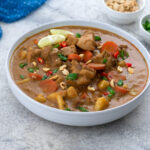
Massaman Curry
Enjoy the rich and aromatic flavors of this Thai Massaman Curry with chicken. Made with homemade curry paste, tender chicken, and veggies simmered in coconut milk, it’s a comforting dish perfect for lunch or dinner. Pair it with plain rice, flatbreads, or your favorite Asian sides for a complete and satisfying meal.
Ingredients
For Massaman Curry Paste
- 1 tsp Cumin Seeds
- 2 tsp Coriander Seeds
- 3 Cloves
- 1 Star Anise
- 3 Green Cardamom
- 1 Cinnamon Stick
- 1 small Shallot chopped
- 4 cloves Garlic sliced
- 1 tbsp Peanut Butter
- 2 tbsp Lemongrass chopped, remove the outer layer, and use the tender inner part
- ½ inch Ginger or galangal, chopped
- 1 tsp Fish Sauce
- ¼ tsp Ground Nutmeg
- 8-10 Dry Red Chilies soaked, remove seeds for less heat
- Coriander Stalks from a small bunch
For Massaman Curry
- 1½ lb Chicken bite-size pieces, bone-in preferred
- 1 Russet Potato diced
- 1 Carrot chopped
- 2 Shallot chopped
- 1 Bay Leaf
- 1 cup Broth chicken or veg
- 1¾ cup Coconut Milk
- 1 tbsp Cane or Brown Sugar
- 1 tsp Tamarind Paste diluted in 3 tbsp water
- Black Pepper Powder to taste
- Salt to taste
- 3 tbsp Oil
For Garnishing
- Roasted Peanuts
- Cilantro Leaves
- Lime
- Thai Red Chili optional
Instructions
Preparing Massaman Curry Paste
- In a pan over medium heat, add the dry spices—cinnamon stick, star anise, cumin seeds, coriander seeds, green cardamom, and cloves. Toast them for a minute or two until they turn aromatic. Once fragrant, remove them from the heat and let them cool. Toasting helps bring out their natural oils, which adds more flavor to your curry.

- In a blender jar, add the shallots, ginger, garlic, soaked red chilies, lemongrass, peanut butter, fish sauce, ground nutmeg, coriander stalks, and the toasted spices. Pour in a little water to help blend everything smoothly.

- Blend until you get a smooth and fine paste. Add more water as needed to get the right texture. Once done, set the curry paste aside—it’s now ready to be used in your Massaman curry.

Making Massaman Curry
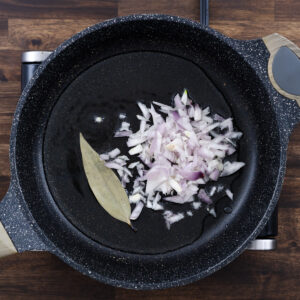
- In a wide pan over medium heat, pour in the oil and let it warm up. Add the bay leaf and sliced shallots. Sauté them, stirring now and then, until the shallots turn soft and translucent. This helps bring out their natural sweetness and adds depth to the curry’s flavor.
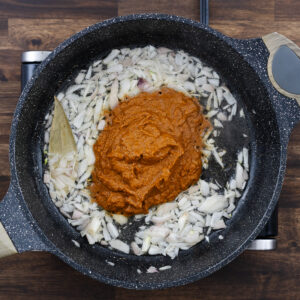
- Add the prepared curry paste to the pan and sauté for a few minutes until it turns fragrant and the oil starts to separate from the sides, creating a richer, deeper flavor.
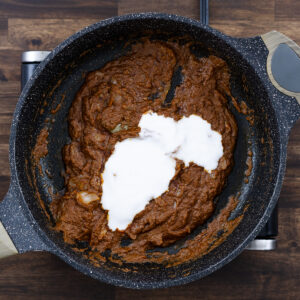
- Pour in a little coconut milk—I used about ¼ cup (about ⅐ of the total coconut milk). If you’re making a larger batch, feel free to adjust the amount. Mix well until the curry paste blends smoothly with the coconut milk, forming a creamy base and blending the flavors nicely.
- Add the chicken, carrots, and potatoes. Season with a little salt and black pepper. Stir well so the curry paste coats the chicken and veggies evenly. If you prefer, you can add the vegetables a few minutes after the chicken starts cooking, but adding them together works just fine too.

- Cover the pan with a lid and let it cook for 5 to 7 minutes. This helps the chicken release its juices and starts building more flavor into the curry.
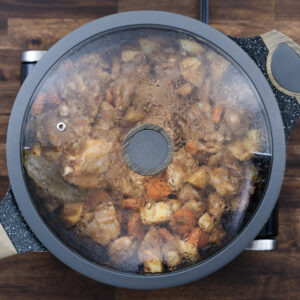
- Open the lid and add the broth along with the rest of the coconut milk. Mix everything well. Taste the curry at this stage and adjust the salt if needed.

- Let the curry simmer over medium heat for 20 to 25 minutes. The chicken will turn tender and soak up the curry flavors, while the potatoes and carrots soften nicely. Stir now and then so everything cooks evenly and the sauce thickens slightly.
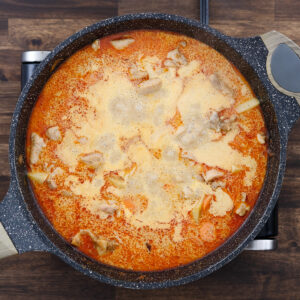
- Once the chicken is cooked through, add the cane sugar and tamarind water. Stir well and let it simmer for another 3 to 5 minutes. This brings a nice balance of sweet and tangy flavors to the curry.

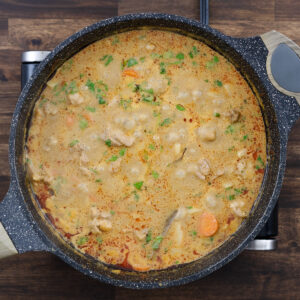
- Turn off the heat and garnish with fresh coriander leaves. Your flavorful Massaman curry is now ready to serve and enjoy!
Serving
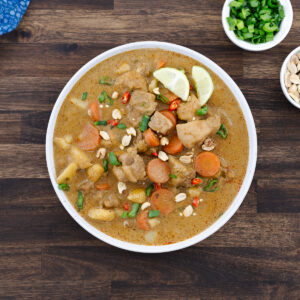
- Serve this Massaman curry with toasted peanuts, chopped Thai red chilies, and fresh lime or lemon wedges on the side. Pair it with your favorite rice for a filling and comforting meal. Want more ideas? Check out the Serving Suggestions section for more ways to enjoy it!
Notes
Here are some helpful tips to make a perfectly flavorful Massaman Curry every time:
For the Massaman Curry Paste
- Toast the Spices: Lightly toasting whole spices like cumin, coriander seeds, cloves, star anise, and cardamom before grinding brings out more flavor. Toast them over low to medium heat for 1–2 minutes until they smell fragrant. Be careful not to burn them, as that can make the curry taste bitter.
- Soften the Chilies: Soak dried red chilies in warm water for at least 30 minutes before blending. This softens the skin and helps you get a smooth paste. It also deepens the color and blends well with other ingredients. For less heat, you can remove the seeds before soaking.
- Use a Mortar and Pestle (If You Can): I usually use a blender for convenience, but if you have the time, try using a mortar and pestle. It brings out more aroma and gives a slightly coarse texture that adds richness to the curry. The pounding helps release natural oils from the spices and herbs, making the paste more flavorful.
- Store the Curry Paste: If you’re not using the whole batch at once, save the rest for later. Keep it in an airtight container in the fridge for up to a week. For longer storage, freeze it in small portions using an ice cube tray or small zip bags. It’s handy to have on hand for quick meals, and freezing keeps the flavors fresh.
For the Massaman Curry
- Marinate the Chicken (Optional): Marinating the chicken before cooking is optional, but it can really boost the flavor. Just coat the chicken with a pinch of salt, some minced garlic, grated ginger, and a little black pepper. Let it sit for 15 to 30 minutes. If you have more time, letting it marinate longer helps the flavors soak in even better.
- Don’t Skip Sautéing the Curry Paste: This is an important step for getting a tasty Massaman curry. Cooking the paste in oil for a few minutes helps bring out the flavors of the spices and aromatics. It also gets rid of the raw taste from garlic, shallots, or chilies, and gives the curry a richer taste. A little caramelizing here makes a big difference—so try not to skip this step.
- Adjust the Consistency: If the curry gets too thick while simmering, you can add a little bit of water or broth to thin it out. If it feels too runny, let it simmer uncovered for a few more minutes to reduce and thicken naturally.
- Customize Your Curry: This recipe uses chicken and veggies, but you can easily make it your own. For a vegetarian version, leave out the chicken and use tofu, mushrooms, or extra vegetables like bell peppers or zucchini. You can also try other proteins like beef, lamb, shrimp, or paneer. Just make sure to adjust the cooking time depending on what you use so everything turns out just right.
- Use Day-Old Curry for More Flavor: Like many curries, Massaman curry tastes even better the next day. If you have leftovers, you might find the flavors deeper and more blended after resting overnight in the fridge.
Nutrition
Serving: 1serving | Calories: 339kcal | Carbohydrates: 20g | Protein: 16g | Fat: 23g | Saturated Fat: 14g | Polyunsaturated Fat: 2g | Monounsaturated Fat: 5g | Trans Fat: 0.1g | Cholesterol: 49mg | Sodium: 356mg | Potassium: 596mg | Fiber: 3g | Sugar: 5g | Vitamin A: 2241IU | Vitamin C: 7mg | Calcium: 65mg | Iron: 4mg
Visit the Recipe
Want to view the full post? Simply scan the QR code with your camera and tap the link.
