
Mushroom Biryani (Kalan Biryani)
Savor the flavors of South India with Mushroom Biryani, also known as Kalan Biryani. This aromatic dish from Tamil Nadu's Chettinad cuisine pairs basmati rice with rich spices, creating a delightful meal perfect for lunch or dinner. It's especially tasty when served with cool, creamy raita.
Ingredients
For Biryani Masala Paste
- 1 piece Ginger small
- 7 Garlic cloves
- 2 Cinnamon stick small
- 5 Cardamom
- 1 Star Anise
- 4 Cloves
- 1 Javitri
- 3 tbsp Water
Main ingredients
- 1 cup Basmati Rice soaked for 30 mins and drained
- 0.55 lb Mushroom sliced
- 2 Onion sliced
- 2 Tomato chopped
- ¼ cup Oil
- 1 Bay leaves
- 2 Cinnamon stick small
- 4 Cloves
- 1 Star Anise
- 5 Cardamom
- 2 Kalpaasi
- 3 Green Chili sliced
- ½ cup Mint Leaves
- ½ cup Coriander Leaves
- 1½ tsp Chili Powder
- 1 tsp Coriander Powder
- ½ tsp Turmeric Powder
- Salt to taste
- ¼ cup Curd
- 2 cup Water
- ¼ cup Fried Onions
- 1 tbsp Ghee
Instructions
Preparing Biryani Masala Paste
- In a blender, combine ginger, garlic, cinnamon stick, cardamom, star anise, cloves, and javitri. Add a bit of water and grind everything into a coarse paste; reserve this paste for later use in the recipe.

Preparing Mushroom Biryani
- Start by warming the oil in a pan over medium heat. Add bay leaves, cinnamon stick, cloves, star anise, cardamom, kalpaasi, and green chili. Sauté until aromatic, releasing the essential oils of the spices to create a foundation of deep flavors.

- Incorporate thinly sliced onions, sautéing until they are golden and soft, which adds a natural sweetness to the dish.

- Introduce the ground biryani masala paste. Continue to sauté until it becomes richly fragrant, ensuring that the raw edge of the spices is cooked out.

- Mix in half of the fresh mint leaves, and coriander leaves along with chopped tomatoes. Sauté until the tomatoes break down and integrate with the herbs, forming a thick, fragrant base.

- Add chili powder, coriander powder, turmeric powder, and salt. Mix well to ensure even distribution of spices for a balanced flavor.

- Quickly stir in curd to introduce acidity and creaminess to the masala, enhancing the texture of the sauce.

- Add in the sliced mushrooms, tossing them until they are thoroughly coated with the spice mix. Cover and allow the mushrooms to simmer, absorbing the flavors of the masala.
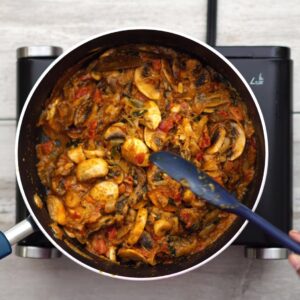
- Let the mushrooms cook covered for about 10 minutes, allowing them to release their moisture and intensify the dish's overall flavor.

- Remove the lid and give the mixture a quick stir. Then, add the basmati rice, spreading it evenly over the spices and vegetables to ensure uniform cooking.
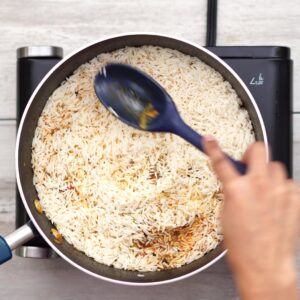
- Slowly add water along the edges to avoid disturbing the rice layer, which helps achieve a uniform texture in the cooked rice.

- Allow the rice to cook uncovered until it's about 70% done. This partial cooking technique ensures that each grain remains separate and perfectly fluffy.

- Sprinkle the remaining mint leaves and fried onions over the top, then drizzle with ghee to enhance richness and aroma. Reduce the heat to medium-low, cover, and let the biryani simmer. This gentle cooking process allows the flavors to meld together beautifully.

- Cover the pan with the lid and continue to cook for approximately 15 minutes. This allows the flavors to fully integrate and the rice to cook to perfection.

- Turn off the heat and allow the biryani to sit covered for about 5 minutes. This resting period lets the rice fully absorb the aromatic steam, enhancing the dish's flavor.

- Gently fluff up the rice with a fork to separate the grains, ensuring a perfect texture. Now, enjoy the rich flavors of your homemade Mushroom Biryani

Serving
- Serve this delicious Mushroom Biryani with raita or savor it just as it is. It also pairs wonderfully with vegetarian or chicken curries, making it a versatile dish for any dining occasion.

Notes
Here are my tips to make perfect Mushroom Biryani right in your kitchen:
- Soaking the Rice: For the best texture, soak the basmati rice for a full hour before cooking. This step is crucial for achieving that signature fluffy, long-grain appearance in your biryani.
- Rice-Water Ratio: Adjust the rice-to-water ratio to suit the unique characteristics of Mushroom Biryani. Normally, biryanis thrive with a 1:1.5 ratio, but since mushrooms tend to release moisture as they cook, a slight reduction to 1:1.25 ensures the rice doesn’t become too soggy.
- Perfecting the Base: Spend time caramelizing the onions until they are golden brown and ensure the tomatoes are thoroughly cooked down. This process builds a deep, flavorful foundation crucial for a rich-tasting biryani.
- Chettinad Style Spices: Embrace the authenticity of Chettinad cuisine by preparing a fresh mushroom and biryani masala paste. Freshly grinding the spices enhances their potent flavors and distinctive aromas, which are the heart of any Chettinad dish.
- Rice Variations: Experiment with Seeraga samba rice, a smaller grain popular in Tamil Nadu biryanis, known for its ability to absorb flavors better than basmati, offering a softer texture and a more pronounced taste.
- Controlled Cooking Temperature: Maintain a low and steady heat during the final cooking phase of the biryani to prevent the rice from burning at the bottom and to ensure even cooking. Using a heavy-bottomed pot or a traditional biryani pot can also help distribute heat more evenly.
- Resting Time: Allow the biryani to rest for at least 10-15 minutes after cooking before serving. This resting period lets the flavors meld together more cohesively and helps the grains of rice absorb the aromatic steam, enhancing the texture.
- Cooking Method Options: To add complexity to your biryani, consider the layered dum cooking technique. This method involves cooking the rice and gravy separately before layering them and finishing with a slow cooking process, allowing all the flavors to meld perfectly. For a detailed example, check out my Mughlai chicken biryani recipe on this blog.
- Vegan Adaptation: Adapt the biryani for a vegan diet by substituting dairy curd with coconut milk. This swap keeps the biryani luxuriously creamy while ensuring it remains plant-based.
Nutrition
Serving: 1serving | Calories: 461kcal | Carbohydrates: 61g | Protein: 9g | Fat: 22g | Saturated Fat: 4g | Polyunsaturated Fat: 5g | Monounsaturated Fat: 10g | Trans Fat: 0.1g | Cholesterol: 10mg | Sodium: 178mg | Potassium: 658mg | Fiber: 9g | Sugar: 7g | Vitamin A: 1124IU | Vitamin C: 23mg | Calcium: 148mg | Iron: 3mg
Visit the Recipe
Want to view the full post? Simply scan the QR code with your camera and tap the link.
