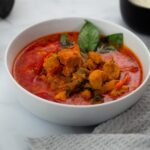
Panang Curry
Enjoy the taste of Thailand with this creamy, mildly spiced Panang Curry made with tender chicken. It’s great served over rice or noodles, making it a cozy meal for lunch or dinner.
Ingredients
- 1¼ lb Chicken boneless
- ¼ cup Onion chopped
- ¼ cup Green Bell Pepper
- ¼ cup Red Bell Pepper
- ¼ cup Yellow Bell Pepper
- 1 tbsp Galangal chopped
- ¼ cup Panang Curry Paste
- 1 tsp Peanut Sauce
- 1 tsp Fish Sauce
- 2 tsp Brown Sugar
- 1 tsp Salt
- 1 cup Coconut Milk
- ¼ cup Oil
- ¼ cup Thai Basil Leaves
Instructions
Preparing Panang Curry
- In a large pan, heat oil over medium heat. Once the oil is warm, add the onion and galangal, and sauté until they soften and become fragrant. Stir frequently to prevent burning.

- Stir in the Panang curry paste, making sure to coat the onions and galangal evenly. Cook for another 2 minutes until the raw smell of the paste fades, and the oils begin to separate from the paste. This step helps release the full flavor of the curry.
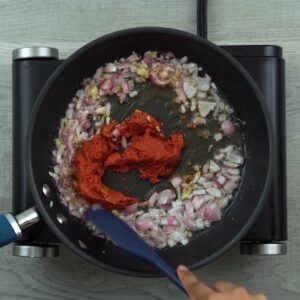
- For a richer flavor, mix in a teaspoon of peanut sauce. It adds a subtle nutty taste that complements the creamy curry.

- Toss in the green, red, and yellow bell peppers. Stir well to coat them in the curry mixture. Cook for another 2 minutes, allowing the peppers to slightly soften but still maintain a bit of crunch.
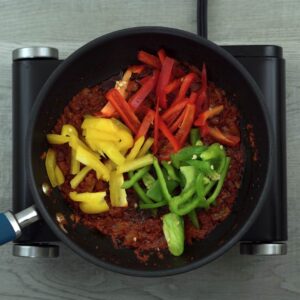
- Add the chicken pieces along with a pinch of salt. Stir to evenly coat the chicken with the curry paste and veggies. Let the chicken brown slightly, but don’t cook it fully yet.

- Cover the pan and reduce the heat to low. Let the chicken simmer for 7 to 10 minutes, allowing it to cook through and absorb the flavors from the curry paste.
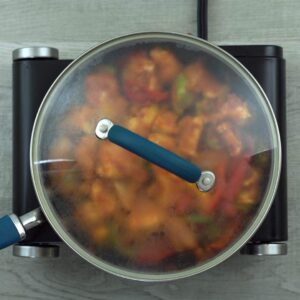
- Uncover the pan and pour in the coconut milk. Stir gently to combine. Increase the heat to medium and bring the curry to a gentle boil. Let it simmer for another 5 to 10 minutes, stirring occasionally. The coconut milk will thicken the curry and give it a creamy texture.

- Stir in the fish sauce and brown sugar, making sure they blend well into the curry. Adjust the seasoning to taste, adding a bit more fish sauce or sugar if needed.
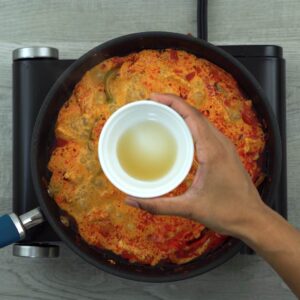
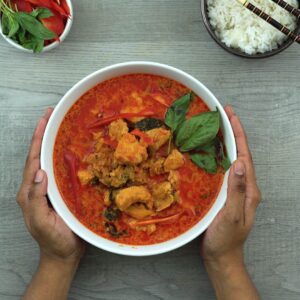
- Finally, add a handful of fresh Thai basil leaves for a burst of fresh, herbal flavor. Turn off the heat and give everything a final stir. Your Panang Curry is now ready to be served!

Serving
- Enjoy this Panang Curry with a bowl of jasmine rice, fluffy white rice, and your favorite side dishes for a complete and satisfying meal.
Notes
Here are some essential tips and variations to make your Panang Curry even better:
Cooking Tips:
- Curry Paste: You can choose to make your own curry paste using my recipe for a more authentic, homemade flavor (see the recipe in the section below), or use a store-bought option if you’re short on time. Both bring delicious results, but homemade paste often has a fresher, more vibrant taste.
- Coconut Milk: Full-fat coconut milk is best for achieving that rich, creamy texture. If you’re looking for a lighter option, you can use light coconut milk, but the curry may not be as thick and luscious.
- Protein and Veggies: Chicken is the classic choice, but feel free to get creative. Shrimp works well for a seafood twist, and tofu is a great plant-based alternative. You can also pack in vegetables like bell peppers, zucchini, or baby corn for extra nutrition and color.
- Flavor Trio: Don’t skip the combination of peanut sauce, fish sauce, and brown sugar. Together, they create the perfect balance of sweet, salty, and savory flavors that make Panang Curry so irresistible.
- Texture of the Curry: If your curry turns out thinner than you’d like, let it simmer uncovered for a few extra minutes to thicken. On the other hand, if it's too thick, you can thin it with a bit of water or more coconut milk.
- Salt: Be mindful of the salt since the curry paste and sauces already add plenty of flavor. Taste your curry as you cook and adjust as needed to avoid over-salting.
- Fish Sauce: If the strong smell of fish sauce isn’t your favorite, it’s okay to leave it out. It does add a unique, authentic flavor to the dish, but your curry will still be tasty without it. You can add a bit of soy sauce or tamari for a similar salty depth.
- Balancing Flavors: Panang Curry is all about balancing sweet, salty, and spicy flavors. Taste your curry before serving and adjust if needed. If it's too spicy, add a bit more coconut milk or a teaspoon of sugar to mellow it out. If it's too sweet, a splash of lime juice or more fish sauce can help bring it back into balance.
- Make it Ahead: Panang Curry actually tastes even better the next day, as the flavors have more time to meld. If you’re planning ahead, you can make the curry a day before and reheat it when you’re ready to serve.
Panang Curry Variations:
- Vegetarian Version: For a vegetarian version, load up on vegetables. Carrots, broccoli, eggplant, and snap peas are great choices. The more veggies you add, the more colorful and flavorful your curry will be.
- Vegan Version: To make this dish fully vegan, use a plant-based curry paste and swap the fish sauce for soy sauce or tamari. Tofu, mushrooms, and a variety of veggies make great additions, soaking up the rich curry flavors.
- Red Curry Twist: If you don’t have Panang curry paste on hand, Thai red curry paste is a fantastic alternative. It brings a similar depth and warmth but with slightly different spices. You’ll still get a delicious, comforting curry.
- Seafood Option: For a seafood variation, try using shrimp or a mix of seafood like scallops or mussels. The sweetness of the seafood complements the creamy, slightly sweet curry sauce, making for a delicious twist.
Nutrition
Serving: 1serving | Calories: 540kcal | Carbohydrates: 9g | Protein: 19g | Fat: 49g | Saturated Fat: 20g | Polyunsaturated Fat: 8g | Monounsaturated Fat: 18g | Trans Fat: 0.2g | Cholesterol: 68mg | Sodium: 1031mg | Potassium: 440mg | Fiber: 1g | Sugar: 4g | Vitamin A: 587IU | Vitamin C: 52mg | Calcium: 34mg | Iron: 4mg
Visit the Recipe
Want to view the full post? Simply scan the QR code with your camera and tap the link.
