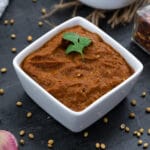
Thai Red Curry Paste
Thai Red Curry Paste is easy to make and packed with flavor, making it a key enhancer for Thai curries, soups, and stir-fries. This homemade version remains fresh for weeks in the fridge and can last up to a month in the freezer, offering a versatile and convenient addition to your kitchen.
Ingredients
- 18 Dry Red Chili soaked in water, remove seeds if needed
- 1 tbsp Lemongrass remove the outer thick layer and use the inner part
- 1 tsp Galangal chopped
- 1 tbsp Coriander Seeds crushed or grounded
- ½ tsp Cumin Powder
- 3 Shallots small onion
- 4 Garlic cloves
- 2 tbsp Coriander Leaves stem and leaves chopped
- ½ tsp Shrimp Paste in oil or oyster sauce
- 1 tsp Lemon Juice or 3 kaffir lime leaves if handy
- 3 tbsp Chili Soaked Water
- ½ tsp Fish Sauce substitute with veg or vegan fish sauce
- 2 Thai Red Chili optional
Instructions
Making Thai Red Curry Paste
- Start by placing the dry red chilies in a bowl and covering them with warm water to soften them.
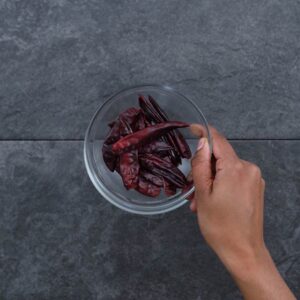
- Allow the chilies to soak for at least 15 minutes. After soaking, drain them, but reserve the chili-infused water for adjusting the paste's consistency later.

- Add the soaked chilies and all other listed ingredients to a blender.
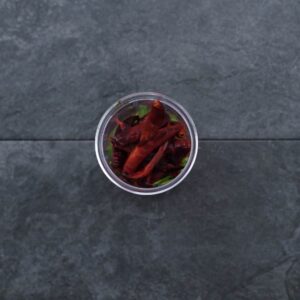
- Blend thoroughly until the mixture becomes a smooth, even paste. Use the chili-soaked water to adjust the consistency of the paste to your liking.
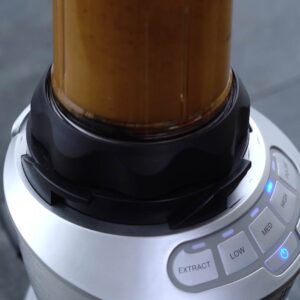
- Finally, transfer your freshly made red curry paste into an airtight container for storage.
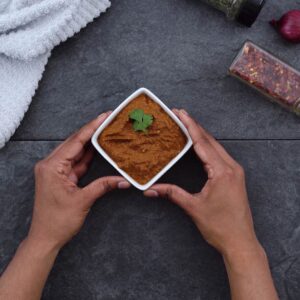
Using
- Incorporate this homemade Thai Red Curry Paste into recipes that call for it, such as vegetable Thai red curry or chicken Thai red curry. For more ideas, check out our 'How to Use' section below.
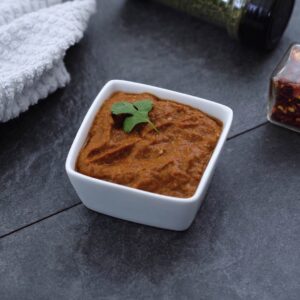
Notes
Here are some helpful tips for making the perfect Thai Red Curry Paste at home:
- Red Chilies and Spice Level: The spiciness of this paste mainly comes from dry red chilies. When you mix it with coconut milk in curries, the heat softens. To further control the heat, consider removing the seeds from the chilies.
- Adjusting Consistency: Depending on the use, you might want a thicker or more fluid paste. Adjust the consistency by controlling the amount of water during blending.
- Galangal: This root adds a unique citrusy flavor, distinct from ginger. If galangal is unavailable, ginger can serve as a substitute, though the flavor will slightly differ.
- Fish Sauce and Shrimp Paste: These ingredients are crucial for the authentic taste of Thai curries, adding salty, savory, and umami flavors. For those on a vegetarian or vegan diet, vegan fish sauce or oyster sauce are great substitutes.
- Substitute for Red Curry Paste: If you need an alternative to Thai Red Curry Paste, harissa paste can be a close match. However, it will not have the distinct salty and umami flavors typical of Thai dishes, so adjust your seasoning accordingly.
Nutrition
Serving: 3tbsp | Calories: 21kcal | Carbohydrates: 4g | Protein: 1g | Fat: 0.3g | Saturated Fat: 0.02g | Polyunsaturated Fat: 0.04g | Monounsaturated Fat: 0.2g | Sodium: 97mg | Potassium: 93mg | Fiber: 1g | Sugar: 1g | Vitamin A: 29IU | Vitamin C: 6mg | Calcium: 20mg | Iron: 1mg
Visit the Recipe
Want to view the full post? Simply scan the QR code with your camera and tap the link.
