
Biryani Rice (Kuska Rice)
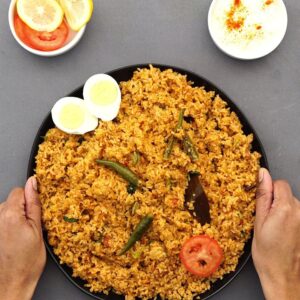
Experience the rich flavors of Biryani Rice, or Kuska Rice, a delightful one-pot vegetarian dish from South India. Made with fragrant Seeraga Samba or Basmati rice and seasoned with aromatic Indian spices and herbs, this dish captures the essence of traditional biryani without the meat and vegetables. Perfect for any meal, enjoy it with your favorite curries for a complete and satisfying experience!
Ingredients
For Masala
- ½ cup Oil
- 2 Cloves
- 2 Cinnamon Stick small
- 2 Green Chili
- ¼ cup Onion chopped
- ½ inch Ginger roughly chopped
- 4 Garlic cloves
- 2 Tomato chopped
- ¼ cup Mint Leaves
- ¼ cup Coriander Leaves
Other Ingredients
- 1½ cup Seeraga Samba Rice soaked for 30 minutes
- 1 Onion chopped
- 1 Tomato chopped
- 3 Green Chili
- 3 Cloves
- 3 Cinnamon Stick small
- 4 Cardamom
- 1 Star Anise
- 1½ tsp Chili Powder
- 1 tsp Garam Masala Powder
- ¼ cup Curd
- Salt to taste
- ¼ cup Mint Leaves
- ¼ cup Coriander Leaves
- 3 cups Water
Instructions
Preparing Masala Paste
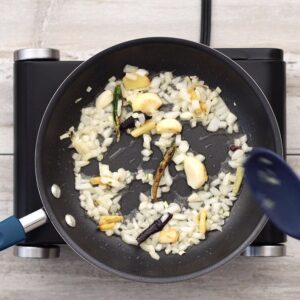
- Place a pan on medium heat and add oil. Toss in a cinnamon stick, cloves, green chili, ginger, garlic, and onion. Sauté until the onion becomes translucent and soft, which brings out their sweetness.
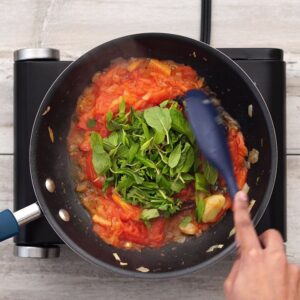
- Add chopped tomatoes to the pan. Sauté them until they break down and turn mushy, which helps to form a rich base for the paste. Next, add the coriander and mint leaves and give everything a brief stir.
- Once the ingredients are sautéed well, remove the pan from the heat and carefully transfer the contents to a blender. Blend everything into a smooth paste. This masala paste will be the flavor foundation of your Biryani Rice, so make sure it's finely blended. Set aside for later use.

Preparing Kuska Biryani Rice
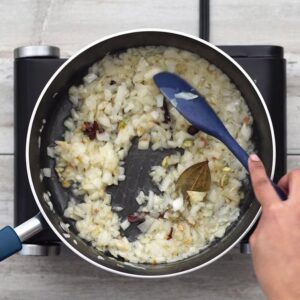
- In a wide-bottomed pan over medium heat, pour oil and then add bay leaves, star anise, cloves, cinnamon stick, cardamom, and chopped onion. Sauté until the onion becomes translucent and fragrant, which forms the flavor base.
- Add chopped tomatoes to the pan, continuing to cook until they are thoroughly mushy. This creates a rich sauce. Stir in chili powder, garam masala, and a pinch of salt, mixing well to ensure even distribution of spices.

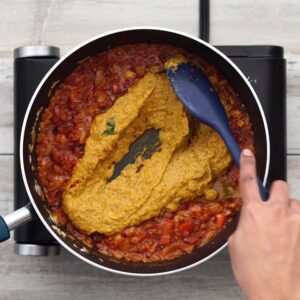
- Add the previously prepared masala paste to the pan, blending it thoroughly with the tomato mixture to infuse the flavors.
- Gently stir in the curd, mixing until it is completely integrated and smooth. This adds a creamy texture to the dish.

- Pour water into the pan, stir well, and bring to a boil. Let it simmer for 5 to 7 minutes, allowing the spices to meld together.
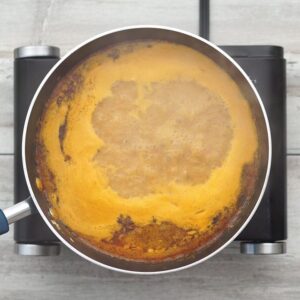
- Add the soaked Seeraga Samba rice and a slit green chili. Cook until the rice is about 70% done—soft but still slightly firm.
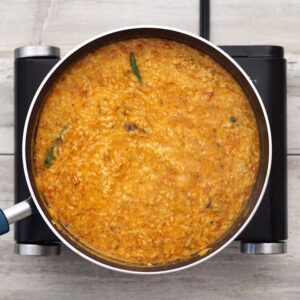
- Cover the pan with a lid and reduce the heat to low. Let the rice cook slowly for 15 minutes; this slow cooking helps the rice absorb all the flavors deeply.

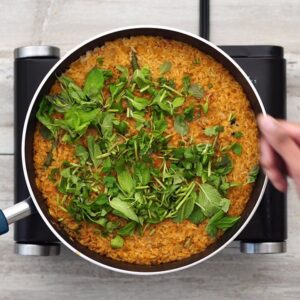
- After 15 minutes, remove the lid, garnish the rice with fresh mint and coriander leaves.
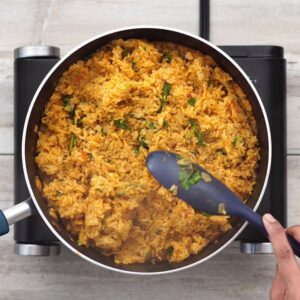
- Gently fluff the Kuska Biryani before serving to separate the grains. Now, it's ready for you to taste and enjoy.
Serving
- Enjoy this delicious Kuska Biryani with a side of creamy curd raita, flavorful veg salna, or your choice of non-veg curries for a complete and satisfying meal. Each accompaniment complements the rich spices and aromas of the biryani, making it a perfect feast for any occasion.
Notes
Here are my tips to perfect your Biryani (Kuska) Rice:
- Soaking the Rice: Always soak the rice for 30 minutes prior to cooking. This crucial step helps the grains expand to their full length and ensures that your Biryani Rice has the perfect texture.
- Rice-Water Ratio: Maintain a rice-water ratio of 1:2 to guarantee that your Kuska Rice turns out wonderfully fluffy. This ratio is effective for both Basmati and Seeraga Samba rice.
- Choice of Fat: Using oil is standard, but substituting it with ghee or using combination of both can greatly enhance the flavor, giving the rice a delightful richness.
- Preparing Masala Paste: Patience is key when sautéing the masala ingredients. Make sure there are no raw smells left to achieve a deeply flavorful and aromatic base for your Kuska or Empty Biryani.
- Rice Varieties: While Seeraga Samba rice is often preferred in Tamil Nadu for its unique texture and flavor, Basmati rice is also an excellent choice for its fragrant and elongated grains.
- Local Flavor in Tamil Nadu: For a local twist, particularly in regions like Ambur, try adding dry red chili paste to your Kuska. This introduces a robust flavor similar to Ambur Biryani, even without the inclusion of chicken.
- Egg Variations: For an easy variation, add boiled eggs to transform your Kuska into a nourishing plain egg biryani, adding both protein and flavor.
- Cooking Vessel Choices: Though a wide-bottomed pan is ideal for evenly cooking Biryani, don't hesitate to use a pressure cooker or an Instant Pot. These options can significantly reduce cooking time while maintaining delicious results.
Nutrition
Serving: 1serving | Calories: 338kcal | Carbohydrates: 19g | Protein: 4g | Fat: 29g | Saturated Fat: 2g | Polyunsaturated Fat: 9g | Monounsaturated Fat: 18g | Trans Fat: 0.1g | Sodium: 220mg | Potassium: 393mg | Fiber: 8g | Sugar: 6g | Vitamin A: 1380IU | Vitamin C: 26mg | Calcium: 120mg | Iron: 2mg
Visit the Recipe
Want to view the full post? Simply scan the QR code with your camera and tap the link.
