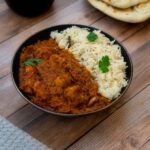
Chicken Tikka Masala
Enjoy Chicken Tikka Masala, a classic Indian curry bursting with flavor. Tender, grilled chicken pieces are simmered in a rich tomato sauce infused with warm Indian spices and creamy yogurt. Perfect for lunch or dinner, it pairs beautifully with roti, rice, or naan.
Ingredients
To Marinate the Chicken
- 1.1 lb Boneless Chicken bite-size
- 1 tbsp Ginger Garlic paste
- ½ tsp Turmeric Powder
- 1 tsp Chili Powder
- 1½ tsp Garam Masala Powder
- ½ tsp Pepper Powder
- 1 tsp Cumin Powder
- 1 tsp Salt or to taste
- 2 tbsp Curd or plain yogurt
- ¼ cup Oil
To Fry the Chicken
- ¼ cup Oil or enought to pan fry
To Make Chicken Tikka Masala
- ¼ cup Oil
- 1 Onion chopped
- 1 tbsp Ginger Garlic paste
- 1 tsp Chili Powder
- 1 tsp Coriander Powder
- 1 tsp Garam Masala Powder
- 1 tsp Cumin Powder
- Salt to taste
- ½ cup Tomato Puree
- ½ cup Water
- ¼ cup Curd plain yogurt, or heavy cream
- 2 tsp Kasoori Methi
Instructions
Marinating the Chicken
- Place bite-sized boneless chicken pieces in a bowl. Add ginger-garlic paste, turmeric powder, chili powder, garam masala, pepper, cumin, salt, yogurt or curd, and a bit of oil. Mix everything well so the chicken is evenly coated. Let it marinate for about 1 hour to let the flavors soak in.

Pan Frying the Chicken
- Heat oil in a pan over medium heat. When the oil is hot but not smoking, carefully place the marinated chicken pieces in a single layer—this helps them cook evenly.
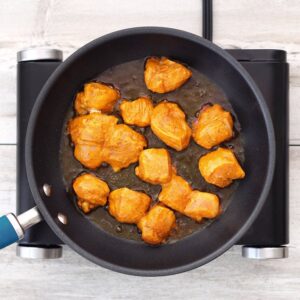
- Fry the chicken for about 4-5 minutes on each side, or until it turns golden brown. Flip the pieces occasionally for even cooking and to prevent them from sticking to the pan. You’ll know they’re ready when the edges are slightly crispy and the color is golden.
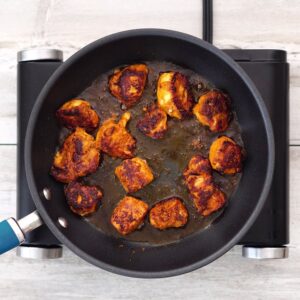
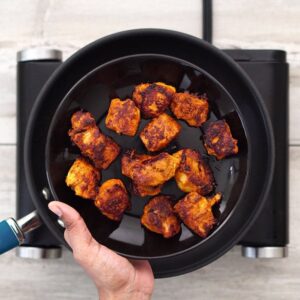
- Once the chicken is nicely browned, remove it from the pan and let it drain on a paper towel to remove any excess oil. Set aside for later use in the sauce.
Making Chicken Tikka Masala
- In a pan over medium heat, add oil. Once the oil is warm, add the chopped onions and sauté them until they turn soft and translucent. This step releases the onions' natural sweetness, which balances the spices in the sauce.
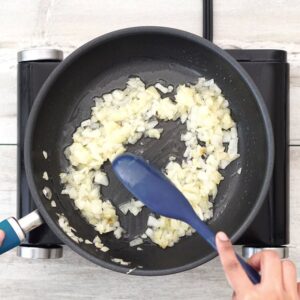
- Add the ginger-garlic paste, chili powder, coriander powder, garam masala, cumin powder, and salt. Sauté for 1-2 minutes, letting the raw aroma fade and building a rich, flavorful base.
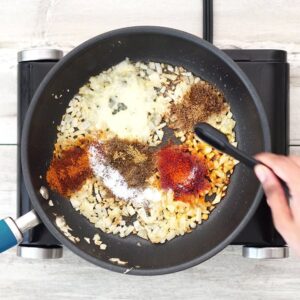
- Pour in the tomato puree and stir well to mix it evenly with the spices. This helps make a smooth sauce. Let it cook uncovered for a few minutes so it can thicken a bit before covering.
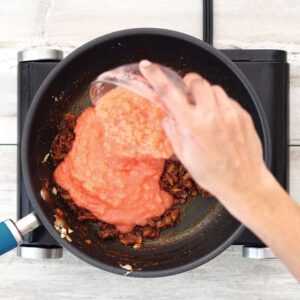
- Cover the pan with a lid and let the tomato-spice mixture simmer for about 10 minutes. Though it is not required, you can stir it occasionally if you’d like, to help the tomatoes break down fully.
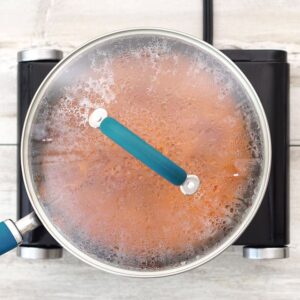
- Uncover the pan and add the fried chicken pieces. Stir them into the sauce so that each piece is nicely coated with the flavorful mixture.
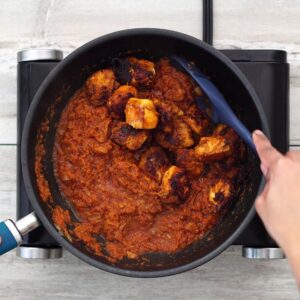
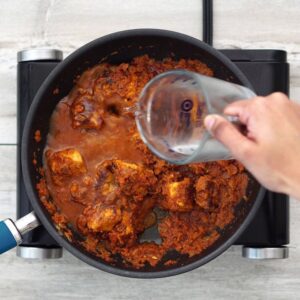
- To adjust the sauce consistency, add water and stir to combine, making sure the sauce coats the chicken pieces well. Feel free to adjust the amount of water based on how thick or thin you prefer the gravy.
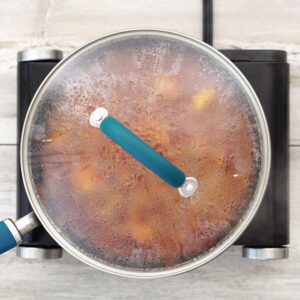
- Cover the pan again and let the chicken simmer in the sauce for an additional 5-7 minutes. This step allows the flavors to penetrate the chicken, making the chicken more flavorful and tender.
- Remove the lid and add curd, yogurt, or heavy cream. Stir it in slowly until fully incorporated for a smooth, creamy texture. To prevent curdling, reduce the heat or briefly take the pan off the stove before adding. Stir the curd well beforehand and add it gradually to keep the sauce smooth.
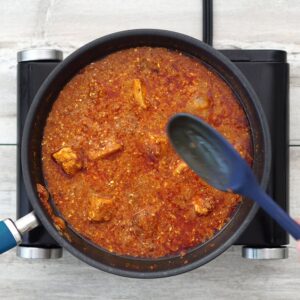
- Let the gravy continue to cook until it reaches your desired thickness. For an extra layer of authentic flavor, sprinkle in some Kasoori methi (dried fenugreek leaves), crushing them between your fingers as you add them. Stir well to distribute the aroma throughout the sauce.
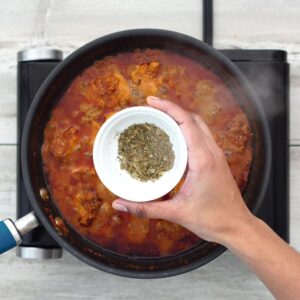
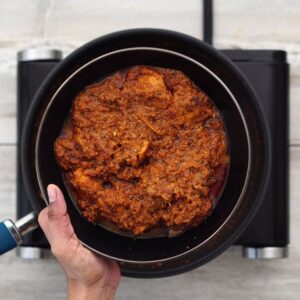
- Once the gravy is thick and the chicken is tender, remove the pan from heat. Your delicious Chicken Tikka Masala is ready to serve!
Serving
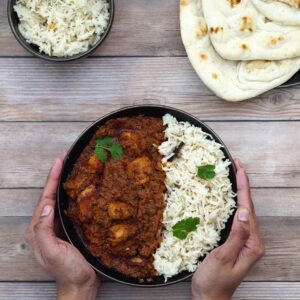
- Enjoy this delicious Chicken Tikka Masala with naan, jeera rice, or plain basmati rice. For more pairing ideas, check out the Serving Suggestions section below.
Notes
Here are some essential tips to make the perfect Chicken Tikka Masala every time:
Cooking Tips:
- Fresh Ingredients: For the best flavor, opt for fresh, high-quality chicken and ripe tomatoes. Freshly ground spices and fresh herbs like cilantro or fenugreek leaves (kasoori methi) bring out a richer taste and aroma, making a noticeable difference in the final dish.
- Bone-In Chicken Variation: While Chicken Tikka Masala is often made with boneless chicken, using bone-in pieces can add a richer flavor. The bones release natural juices and enhance the sauce, giving it a deeper, more layered taste. Bone-in pieces also provide a unique texture that some find even more satisfying.
- Marinate for Flavor and Tenderness: Marinating the chicken in yogurt and spices is key to both flavor and tenderness. Let it sit for at least 1 hour, but if you have time, marinate for 3-4 hours or even overnight for an authentic, melt-in-your-mouth texture. This time allows the spices to penetrate the meat fully, making each bite flavorful.
- Creamy Alternatives: While curd (yogurt) is commonly used for richness in Chicken Tikka Masala, you can also try heavy cream or coconut milk for a different twist. Heavy cream adds a smooth, rich texture, while coconut milk offers a subtle sweetness and a dairy-free option. Coconut milk is ideal if you want a lighter, lactose-free alternative. Each option adds creaminess, so feel free to choose based on your preference.
- Spice Adjustment: The level of spice can make a big difference in enjoying the dish to your taste. If you like it spicier, add a bit more chili powder or some fresh green chilies during cooking. For a milder curry, use less chili powder, or add a splash of cream at the end to tone down the heat while maintaining a rich flavor.
- Balancing Flavors: If the curry ends up too spicy or tangy, adding a small amount of sugar or honey can help mellow it out. A tiny pinch is enough to bring a natural sweetness that balances and enhances the flavors without overpowering the dish.
- Resting Time: After cooking, allow the dish to rest for 5-10 minutes before serving. This brief resting time lets the flavors meld even more, so you get a fuller taste with each bite. It also helps the sauce thicken slightly as it cools, giving it a perfect consistency.
- Serving Temperature: Chicken Tikka Masala is best enjoyed hot. Before serving, make sure it’s warmed through so you get the full flavor and aroma. If reheating, use a gentle heat on the stovetop and stir occasionally to keep the sauce smooth.
Making Homemade Tomato Puree:
If you don’t have tomato puree, you can make a simple version using fresh tomatoes:- Blanch and Peel: Start by blanching 3-4 ripe tomatoes in boiling water for a minute, then transfer them to cold water. This will make peeling the skins off easier.
- Blend: After peeling, chop the tomatoes roughly and blend them until smooth. If you want an even smoother texture, strain the mixture to remove any pulp.
- Cook Down: If your homemade puree seems watery, simmer it on low heat for 5-10 minutes to reduce and thicken slightly. This will give it a similar consistency to store-bought puree and help concentrate the flavor.
Nutrition
Serving: 1serving | Calories: 739kcal | Carbohydrates: 7g | Protein: 19g | Fat: 71g | Saturated Fat: 8g | Polyunsaturated Fat: 19g | Monounsaturated Fat: 41g | Trans Fat: 0.3g | Cholesterol: 63mg | Sodium: 867mg | Potassium: 344mg | Fiber: 2g | Sugar: 2g | Vitamin A: 875IU | Vitamin C: 8mg | Calcium: 83mg | Iron: 3mg
Visit the Recipe
Want to view the full post? Simply scan the QR code with your camera and tap the link.
