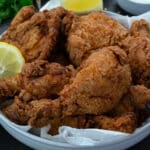
Crispy Fried Chicken
Enjoy homemade fried chicken that’s crispy and crunchy, just like your favorite fast-food spots. Whether you use chicken legs, drumsticks, thighs, or wings, this easy-to-make dish is seasoned perfectly and coated in a buttermilk and breadcrumb mix, making it great for lunch or dinner.
Ingredients
For the Marination
- 4 Chicken Drumsticks skinless or skin on
- 4 Chicken Thighs skinless or skin on
- ½ tsp Onion Powder
- ½ tsp Garlic Powder
- ½ tsp Ginger Powder
- ½ tsp Cumin Powder
- ¾ tsp Cayenne Pepper Powder
- ¾ tsp Pepper Powder black or white pepper
- 2 cups Buttermilk
- 3 tbsp Hot Sauce
- 2 Bay Leaves crushed
- Salt to taste
For the Breading
- 2 cups All Purpose Flour
- ½ cup Cornstarch
- ½ tsp Onion Powder
- ½ tsp Garlic Powder
- ½ tsp Pepper Powder black or white pepper
- 1 tsp Paprika or chili powder
- ½ tsp Mixed Italian Herbs dried
- Salt to taste
For Frying
- Oil for deep frying
Instructions
Marinating the Chicken
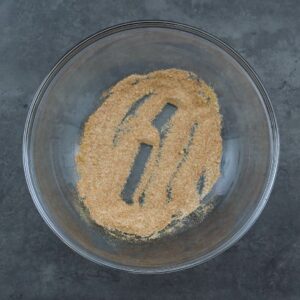
- In a glass bowl, mix together onion, garlic, ginger, cumin, cayenne pepper, and black pepper powder until well combined.
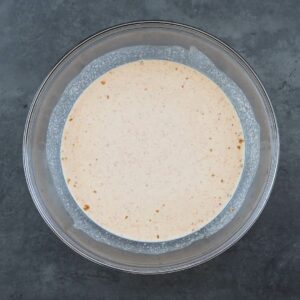
- Pour in the buttermilk, then add hot sauce, bay leaves, and salt. Stir everything together until fully mixed.
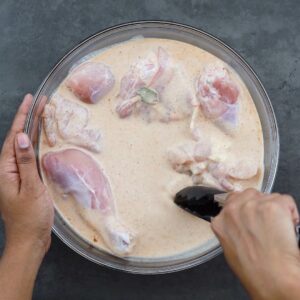
- Add the chicken thighs and drumsticks to the bowl, making sure they are fully coated in the marinade. Cover the bowl and let the chicken marinate for at least 30 minutes to 1 hour.
Preparing the Breading Mixture
- In a tray, combine all-purpose flour, cornstarch, salt, and the seasoning powders like onion, garlic, black pepper, and paprika as listed in the ingredients. Mix everything well and set aside.
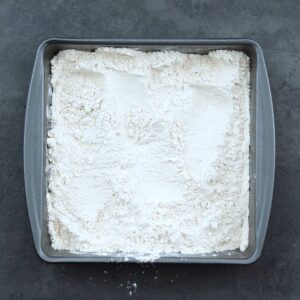
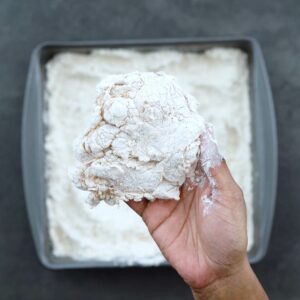
- Take the buttermilk-marinated chicken thighs and drumsticks, and coat them evenly in the breading mixture. Make sure all sides are fully covered, and gently shake off any excess flour.
Frying the Chicken
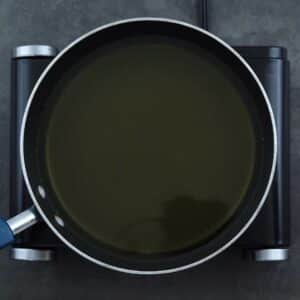
- Pour enough oil into a deep pan or fryer to fully submerge the chicken pieces. Heat the oil to 325°F, and be sure to monitor the temperature throughout frying. Keeping the oil temperature between 325°F and 350°F is crucial.
- Gently add the breaded chicken pieces into the oil one at a time, taking care not to overcrowd the pan. Overcrowding lowers the oil temperature and can result in uneven cooking. Fry in batches if needed to make sure each piece has enough space.
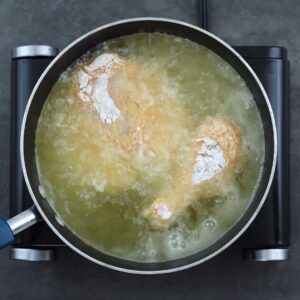
- Fry the chicken for 12 to 15 minutes, turning occasionally to ensure even cooking and browning on all sides. Use a food thermometer to check that the thickest part of each piece reaches an internal temperature of 165°F, which is the safe minimum for fully cooked chicken.
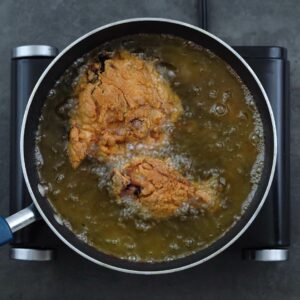
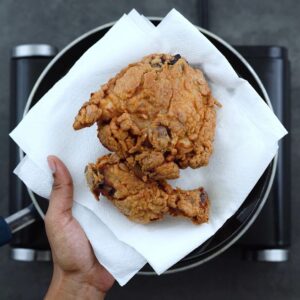
- Once the chicken is golden and crispy, carefully remove it from the oil using tongs or a slotted spoon. Place the fried chicken on a wire rack to drain any excess oil. This helps keep the chicken crispy, unlike paper towels which can trap steam and make the coating soggy. After all the pieces are fried, let them rest for a few minutes to allow the juices to settle before serving.
Serving
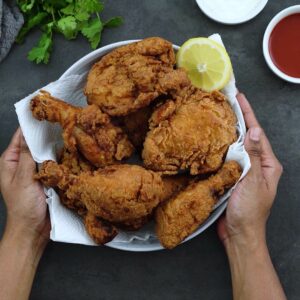
- Serve this crispy fried chicken with classic sides like French fries and a variety of dipping sauces, or pair it with fresh salads and roasted vegetables such as green beans, potatoes, or broccoli for a balanced meal. For more ideas, be sure to check out the Serving Suggestions section below.
Notes
Here are some key tips to help you perfect your homemade fried chicken:
- Pat the Chicken Dry: Before seasoning or marinating, make sure to pat the chicken dry with paper towels. This step removes excess moisture, helping the breading stick better and resulting in a crispier finish. If the chicken is too wet, the coating may not hold as well during frying.
- Temperature Control: Keep the oil temperature between 325°F and 350°F for optimal frying. If the oil is too cool, the chicken will soak up oil and become greasy instead of crispy. On the other hand, if the oil is too hot, the outside will brown too quickly, leaving the inside undercooked. A cooking thermometer is a handy tool to help you keep the temperature in check.
- Check Internal Temperature: I highly recommend using a food thermometer to reach the safe minimum temperature of 165°F (74°C) in the thickest part, as per FDA guidelines. This ensures the chicken is fully cooked and safe to eat, especially for thicker cuts like drumsticks and thighs. If you don’t have a thermometer, you can make a small cut in the thickest part—if the juices run clear, it’s cooked.
- Cooking Time: Depending on the size and thickness of the pieces, chicken usually takes 12 to 15 minutes to fry. Drumsticks and thighs might take a little longer, closer to 15 minutes.
- Best Flour: A combination of all-purpose flour and cornstarch creates the ideal crispy crust. For extra crunch, you can use cornstarch on its own or mix in breadcrumbs or crushed cornflakes.
- Best Oil: I like using canola oil, but vegetable, peanut, safflower, or corn oil work well too. Oils with a high smoke point are ideal for deep frying.
Nutrition
Serving: 2piece | Calories: 939kcal | Carbohydrates: 71g | Protein: 56g | Fat: 46g | Saturated Fat: 14g | Polyunsaturated Fat: 9g | Monounsaturated Fat: 18g | Trans Fat: 0.2g | Cholesterol: 242mg | Sodium: 785mg | Potassium: 801mg | Fiber: 2g | Sugar: 6g | Vitamin A: 948IU | Vitamin C: 9mg | Calcium: 184mg | Iron: 6mg
Visit the Recipe
Want to view the full post? Simply scan the QR code with your camera and tap the link.
