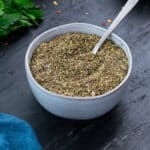
Italian Seasoning
Italian Seasoning, a mix of dried oregano, basil, rosemary, thyme, sage, and marjoram, is a staple in Italian cooking. This versatile and flavorful blend is ideal for elevating pasta dishes, sauces, pizzas, soups, as well as chicken, seafood, and roasted vegetables.
Ingredients
- 2 tbsp Basil Leaves dried
- 2 tbsp Oregano dried
- 1 tbsp Rosemary dried
- ½ tbsp Parsley dried
- ½ tbsp Thyme dried
- ½ tbsp Sage dried and rubbed
- ½ tbsp Marjoram dried
Instructions
Making Italian Seasoning
- In a mixing bowl, add all the ingredients listed above. Adjust the proportions to suit your taste if you prefer a specific flavor to be more dominant.
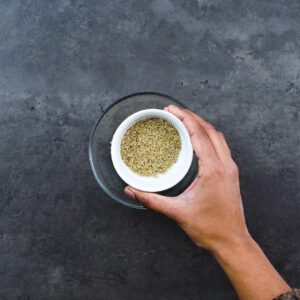
- Mix all the herbs until they are well combined. For a more uniform texture and to enhance the flavors, pulse the mixture a few times in a spice grinder or crush it using a mortar and pestle.
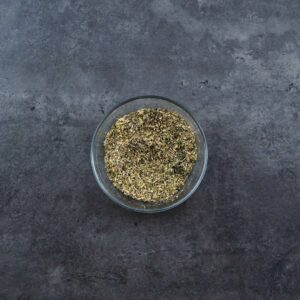
Using
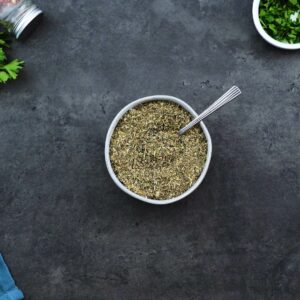
- Use this seasoning in any recipe that calls for it, such as pasta dishes, pizzas, roasted vegetables, and various proteins like chicken, fish, or salmon. For more usage ideas, check out our 'How to Use' section below.
Notes
Here are some tips to enhance your Italian Seasoning Mix:
- Measure Accurately: To capture the best flavor, ensure you measure each herb correctly. Italian herbs are strong and distinct, making precise measurements crucial for the ideal taste.
- Optional Add-ins: For a spicy kick, add chili flakes, or include garlic powder for a richer, garlicky flavor. These additions can deepen the seasoning's complexity.
- Customize Your Blend: Tailor your Italian Seasoning by adjusting the ratios of herbs based on your taste preferences or specific dishes. For instance, add more rosemary and thyme for a more robust flavor suitable for meats, or increase basil and oregano for classic pasta dishes.
- Fresh to Dry: If you prefer using fresh herbs, you can make your own dried herbs for the seasoning. Simply lay the fresh herbs on a baking sheet and dry them in an oven set at a very low temperature, or air dry them. Remember, the ratio of fresh to dry is typically 3:1, as dried herbs are more concentrated.
- Appropriate Usage: When using this blend in Italian dishes, pay attention to the amount you add to make sure the seasoning enhances the dish without overpowering it.
- Substitutes: If you don’t have Italian Seasoning, you can create a similar mix using any combination of basil, oregano, sage, thyme, rosemary, or marjoram. For a different flavor profile, try Herbes de Provence with a hint of lavender, or Greek Seasoning, which blends onion powder, dill, garlic powder, and black pepper for a warm, sweet taste. Select substitutes based on the herbs you have and the flavor you like.
Nutrition
Serving: 1serving | Calories: 6kcal | Carbohydrates: 1g | Protein: 0.2g | Fat: 0.2g | Saturated Fat: 0.1g | Polyunsaturated Fat: 0.04g | Monounsaturated Fat: 0.02g | Sodium: 1mg | Potassium: 31mg | Fiber: 1g | Sugar: 0.1g | Vitamin A: 123IU | Vitamin C: 2mg | Calcium: 36mg | Iron: 1mg
Visit the Recipe
Want to view the full post? Simply scan the QR code with your camera and tap the link.
