
Rasam Recipe
Rasam is a flavorful and tangy authentic South Indian soup-like dish, made by simmering tomatoes, garlic, Indian spices, and herbs. Known for its comforting qualities, rasam is great for easing colds, coughs, and aiding digestion. It tastes best when served with white rice for lunch or dinner.
Ingredients
For Rasam Mixture
- 1 tsp Fennel Seeds
- 2 tsp Cumin Seeds
- 1 tsp Peppercorn
- 9 Garlic Cloves
- 3 Dry Red Chili
- ¼ cup Coriander Stalk
For Rasam Base
- 3 Tomatoes chopped
- 1 sprig Curry Leaves
- ½ cup Water for boiling tomatoes
- 3 cups Water for mashing tomato mixture
For Rasam
- 1 tsp Mustard Seeds
- 1 tsp Urad Dal
- ½ tsp Fenugreek Seeds
- 2 Dry Red Chili
- 1 tsp Asafoetida or hing
- 1 sprig Curry Leaves
- ½ tsp Turmeric Powder
- ¼ cup Coriander Leaves
- 3 tsp Tamarind Water
- Salt to taste
- 2 tsp Oil
- 4 Garlic cloves crushed
Instructions
Preparing Rasam Mixture
- Place fennel seeds, cumin seeds, peppercorns, garlic cloves, dry red chilies, and coriander stalks in a blender.
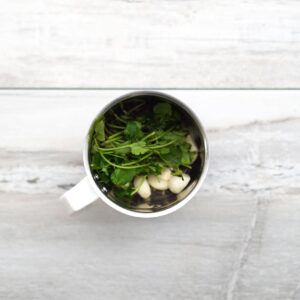
- Grind these ingredients to a coarse paste. Set the mixture aside for later use.

Preparing the Rasam Base
- In a pan over medium heat, add tomatoes and curry leaves with the specified quantity of water. Cook until the tomatoes are completely soft, which will make them easier to mash and enhance their flavor. Allow the mixture to cool down completely for easier handling.

- Transfer the cooled tomato mixture to a large bowl. Add specified quantity of water, turmeric powder, fresh coriander leaves, tamarind water, and salt. Thoroughly mix and mash the tomatoes with your hands. This manual mashing helps release more flavor from the tomatoes, enriching the rasam's base.

Preparing Rasam
- Heat oil in a separate pan over medium heat. Add mustard seeds, urad dal, fenugreek seeds, a dry red chili, another sprig of curry leaves, and a pinch of asafoetida (hing). Cook until the mustard seeds begin to splutter and the dal turns golden brown. This step is crucial as it releases the aromatic oils from the spices, enhancing the overall flavor.

- Add the previously prepared coarse rasam mix to the pan and sauté until aromatic. The key here is to fry the mixture just enough to enhance its flavors without burning it.
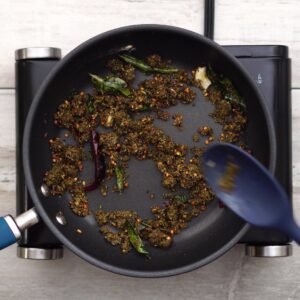
- Pour the tomato-water mixture back into the pan with the spices. Stir well to combine all the ingredients.

- Lower the heat and add crushed garlic cloves during the last few minutes of cooking. The garlic introduces a subtle pungency that perfectly complements the tangy flavor of the rasam.

- Allow the rasam to cook until it starts to froth up slightly. This frothing is a sign that the rasam is ready. Be sure to turn off the heat before it starts to boil vigorously to preserve the delicate flavors.

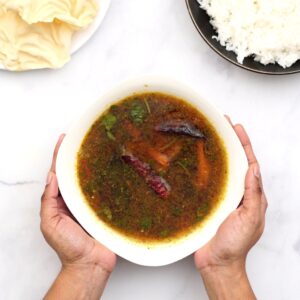
- Turn off the heat, and your flavorful tomato rasam is now ready to serve and enjoy.

Serving
- Serve the delicious rasam with white rice, accompanied by papad/appalam or vathal for a tasty meal. Alternatively, enjoy it on its own for comforting relief of the throat or to aid digestion. For more options, check out our Serving Suggestions section below.
Notes
Here are my top tips to enhance your rasam and tailor it to your taste:
- Measure Your Spices Right: The key to the perfect rasam is using precise quantities of ingredients. Incorrect spice proportions can significantly alter the taste and flavor of the dish. However, you can adjust the amount of peppercorns and dry red chilies to match your spice preference without compromising the overall flavor.
- Avoid Burning the Spice Mixture: When sautéing the coarse spice mixture, be vigilant to prevent it from burning. A burnt mixture can drastically diminish the rasam’s flavor.
- Stop Cooking at the Right Time: Turn off the heat as soon as the rasam begins to froth. Allowing it to boil can change its aroma and flavor, detracting from the authentic taste.
- Explore Various Techniques: Rasam is a versatile dish that can be prepared in many ways. Traditional recipes include tomatoes, spices, and Indian herbs, but regional variations exist. For example, some South Indian regions sauté tomatoes in oil until mushy, while others prefer boiling them. Try out these methods to discover your favorite texture.
- Add a Sweet Touch: In some South Indian regions, a bit of jaggery is added to rasam to balance its tangy flavors with a hint of sweetness. If you enjoy a sweeter flavor profile, consider adding jaggery to your rasam.
- Embrace Convenience: While traditionally made from scratch, using store-bought rasam powder is a convenient alternative that still captures the authentic taste of the dish. Choose a reputable brand to ensure quality, and enjoy the rich flavors with minimal effort.
- Serving Temperature: Rasam is typically served hot, but it can also be enjoyed at room temperature, especially during warmer weather. This makes it a versatile dish for all seasons.
Nutrition
Serving: 1serving | Calories: 92kcal | Carbohydrates: 15g | Protein: 4g | Fat: 3g | Saturated Fat: 0.3g | Polyunsaturated Fat: 1g | Monounsaturated Fat: 2g | Trans Fat: 0.01g | Sodium: 25mg | Potassium: 504mg | Fiber: 3g | Sugar: 6g | Vitamin A: 1431IU | Vitamin C: 117mg | Calcium: 73mg | Iron: 2mg
Visit the Recipe
Want to view the full post? Simply scan the QR code with your camera and tap the link.
