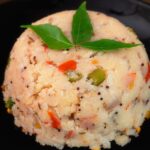
Rava Upma
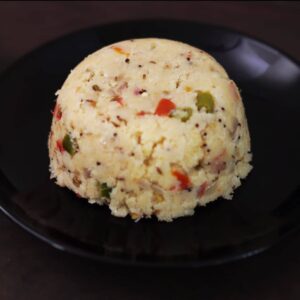
Rava Upma is a soft and fluffy South Indian breakfast favorite made by roasting rava in spiced tempering water. It's perfect for both breakfast and dinner and pairs wonderfully with chutney, sambar, or even a sprinkle of sugar.
Ingredients
- 1 cup Rava
- ¼ cup Onion
- 1 Tomato chopped
- 2 tsp Ginger minced
- 4 Green chili chopped
- ½ tsp Mustard seeds
- ¾ tsp Cumin seeds
- ¼ tsp Fenugreek seeds
- 1 sprig Curry leaves
- 1 tsp Chana dhal
- ¼ cup Oil
- 1 tbsp Ghee
- Salt to taste
- 2 cups Water
Instructions
Dry Roasting Rava
- To dry roast rava, simply place it in a pan over low to medium heat. Stir continuously until it becomes aromatic. Once done, set it aside for later use.
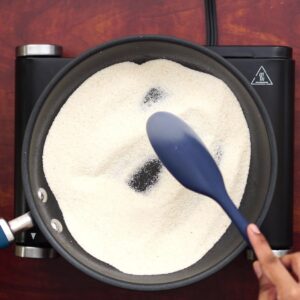
Preparing Rava Upma
- In the same pan used for roasting the rava, heat oil over medium heat. Add mustard seeds, cumin seeds, fenugreek seeds, and fresh curry leaves. Wait until they begin to splutter, releasing their fragrant oils, which form the flavor base of the upma.
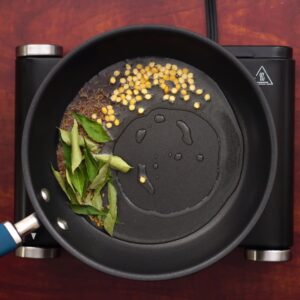
- Add finely chopped onions, minced ginger, and sliced green chili to the pan. Sauté until the onions are soft and golden, which enhances the sweetness and depth of the flavor.
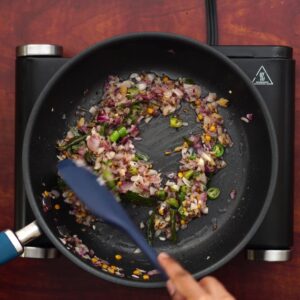
- Incorporate chopped tomatoes and a pinch of salt, continuing to cook until the tomatoes are fully broken down and mushy. This step builds a tangy foundation for the upma.
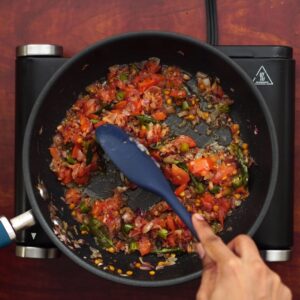
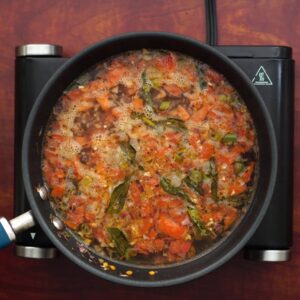
- Pour in the exact amount of water and bring it to a vigorous boil. A precise water-to-rava ratio is key to achieving the ideal texture in the final dish.
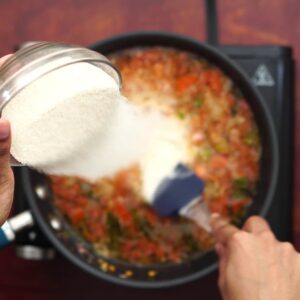
- Slowly add the pre-roasted rava while stirring constantly to prevent any lumps. This gradual incorporation ensures even absorption of water, leading to a smooth consistency.
- Continue stirring until everything is well combined and the mixture is smooth. This step is critical to avoid any uneven textures in your upma.
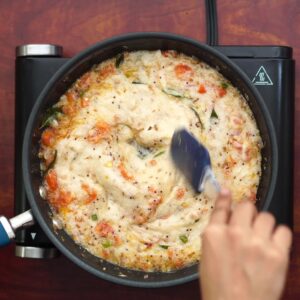
- Drizzle a generous spoonful of ghee into the mixture and stir well. Ghee not only enriches the flavor but also adds a delightful aroma and helps in achieving a light, non-sticky texture.
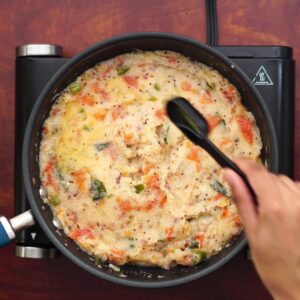
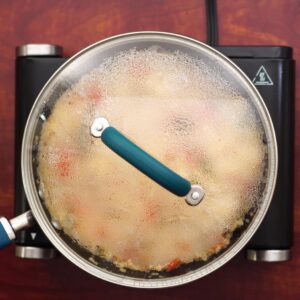
- Cover the pan with a lid and let it simmer on low heat for about 2 minutes. This gentle cooking helps the flavors meld together and allows the rava to cook thoroughly.
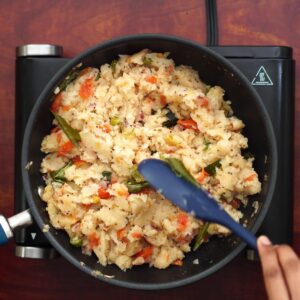
- Finally, remove the lid and gently fluff the Rava Upma with a fork. This ensures the upma is airy and light, not dense. Your delicious Rava Upma is now ready to serve.
Serving
- Enjoy the delicious Rava Upma paired with your choice of tangy chutney, flavorful sambar, or a sprinkle of sugar for a complete and satisfying meal.
Notes
Here are some of my tips to help you make the perfect Rava Upma:
Preparation and Cooking:
- Choosing the Best Rava: I recommend using fine quality Bombay rava for its fine texture, which is traditional for upma. If you prefer a coarser feel, Bansi rava is a good alternative. Whether you choose non-roasted or pre-roasted rava depends on how much time you want to spend on preparation.
- Roasting Rava: To get that ideal fluffy and non-sticky texture, roast the rava on low to medium heat. This step is key and ensures that the rava cooks evenly without burning.
- Rava to Water Ratio: For the perfect moistness, I use a 1:2 ratio of rava to water when cooking with Bombay rava. If you’re using Bansi rava, tweak it a bit to a 1:2.5 ratio to get the best consistency.
- Oil and Tempering: I like to be generous with oil or ghee when tempering the spices, as it really enriches the flavor of the upma. If you're vegan, swapping ghee for coconut or sunflower oil works beautifully too.
- Adding Rava in Batches: Add the rava gradually to boiling water, stirring as you go. This helps prevent lumps and ensures the upma cooks evenly throughout.
- Variations with Additional Ingredients: Don’t hesitate to mix in some vegetables, peanuts, and cashew nuts. These not only add a delightful crunch but also boost the nutrition, making your upma both healthier and tastier.
Troubleshooting:
- Avoiding Sticky Upma: Sticky Rava Upma often occurs due to not roasting the rava sufficiently or using too much water. To avoid this, ensure you roast the rava well until it’s aromatic and golden, and always use the correct water-to-rava ratio to maintain a non-sticky texture.
- Preventing Lumpy Upma: If your Upma often turns out lumpy, the issue might be how you're adding the rava to the water. To prevent lumps, add the rava gradually in batches, stirring continuously, which allows it to cook evenly and results in a smoother, fluffier texture.
Health Aspects of Upma:
- Upma can be a nutritious meal option, especially when made with wheat or Bansi rava, which are packed with health benefits. If you use Bombay rava, which is more refined, consider consuming it in moderation. Choose the type of rava that suits your dietary needs the best. If you have specific health concerns or dietary restrictions, consulting with a health professional is recommended to tailor the meal to your needs.
Nutrition
Serving: 1serving | Calories: 418kcal | Carbohydrates: 9g | Protein: 18g | Fat: 35g | Saturated Fat: 7g | Polyunsaturated Fat: 6g | Monounsaturated Fat: 13g | Trans Fat: 0.1g | Cholesterol: 52mg | Sodium: 819mg | Potassium: 137mg | Fiber: 3g | Sugar: 5g | Vitamin A: 374IU | Vitamin C: 27mg | Calcium: 17mg | Iron: 1mg
Visit the Recipe
Want to view the full post? Simply scan the QR code with your camera and tap the link.
