
Scrambled eggs (3 types)
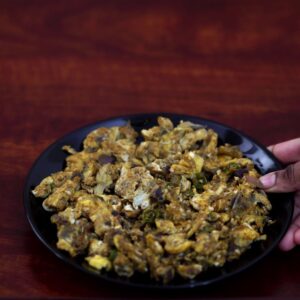
Scrambled Eggs: An easy-to-make dish featuring stirred or beaten eggs cooked evenly to perfection. This recipe offers three delightful variations: plain, vegetable, and masala. Each type is delicious, protein-rich, and healthy, making it a versatile choice for breakfast, lunch, or dinner.
Ingredients
For Plain Scrambled Eggs
- 4 Egg beaten
- ½ tsp Salt adjust as needed
- 1 tsp Butter room temperature
For Vegetable Scrambled Eggs
- 4 Egg beaten
- 2 tsp oil
- ¼ cup onion finely chopped
- ¼ cup Carrot finely chopped
- ¼ cup Green bell pepper finely chopped
- ¼ cup Cabbage chopped
- 1 tbsp Chili sauce
- 1 tsp Ginger garlic finely chopped
- 1 tsp Soy Sauce
- ¼ tsp Salt adjust as needed
For Masala Scrambled Eggs
- 2 tsp oil
- 1 tsp Mustard Seeds
- ¼ cup Onion chopped
- 2 Green chili sliced
- ¼ tsp Garam masala powder
- ¼ tsp Chili powder adjust as needed
- ½ tsp Coriander powder
- ¼ tsp Pepper powder
- ¼ tsp Salt adjust as needed
Instructions
Making Plain Scrambled Eggs
- In a bowl, whisk eggs with a pinch of salt until they are well blended. This helps incorporate air, making your scrambled eggs lighter and fluffier.
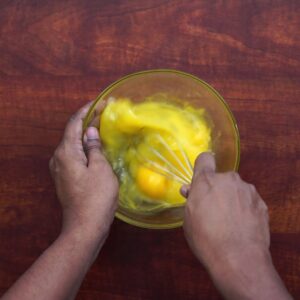
- Place a frying pan on medium heat and add butter, allowing it to melt completely to coat the bottom of the pan and prevent the eggs from sticking. Once the butter starts to sizzle slightly, pour in the beaten eggs.

- As the eggs begin to set around the edges, use a spatula to gently pull, fold, and lift the eggs from the sides toward the center. This technique ensures even cooking while keeping the eggs soft.

- Continue the process, but avoid stirring constantly as this can lead to a hard scramble.

- Watch the eggs closely. When they are thickened but still slightly runny, remove the pan from the heat. The residual heat will finish cooking the eggs without overcooking them.
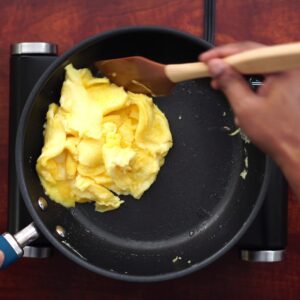
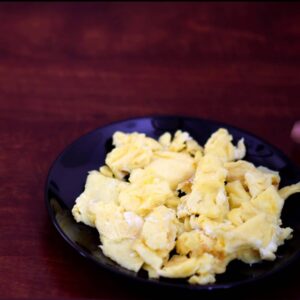
- Serve the scrambled eggs while they're hot and fluffy. Eating them immediately ensures they maintain their best texture and temperature.
Making Vegetable Scrambled Eggs
- In a medium-sized frying pan over medium heat, pour in some oil. Once hot, add chopped ginger and garlic. Sauté these until they become fragrant, which will infuse the oil with their flavors.
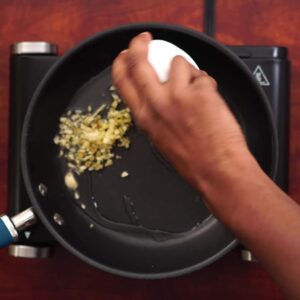
- Next, add chopped onions to the pan. Sauté them until they turn soft and translucent, which allows their sweetness to develop.
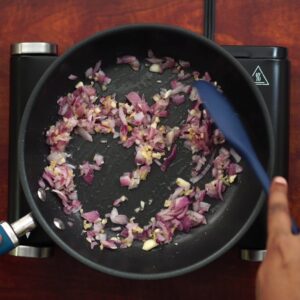
- Add chopped carrots, green bell pepper, and cabbage. Continue sautéing the mix until the vegetables are tender yet crisp, about 70% cooked through. This ensures they retain some texture in the final dish.
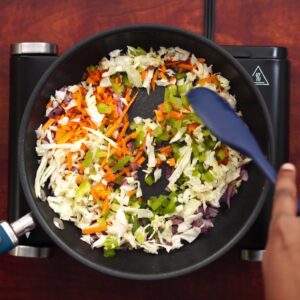
- Stir in some chili sauce and soy sauce. These ingredients add a deep, savory flavor and a bit of heat. Give everything a quick toss to evenly coat the vegetables.
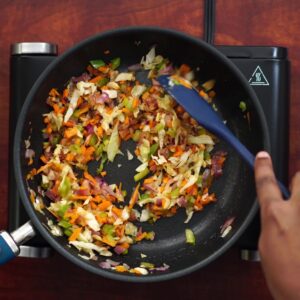
- Beat the eggs with a pinch of salt and then pour them over the vegetables in the pan. The salt not only seasons the eggs but helps break them down for a smoother mixture.
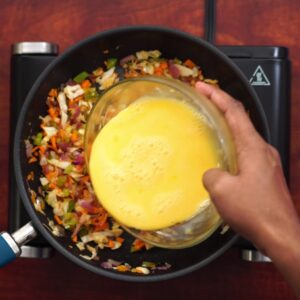
- Let the eggs cook, gently folding and tossing them with the vegetables occasionally. This helps the eggs cook evenly and mix thoroughly with the vegetables, preventing any part from overcooking.
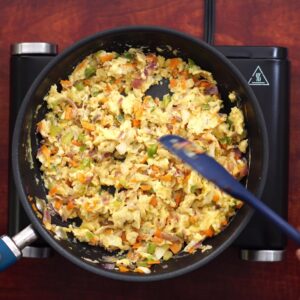
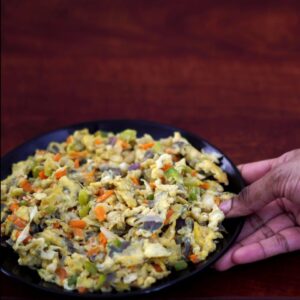
- Once the eggs are fully cooked and no visible liquid remains, remove the pan from the heat. Serve the scramble hot alongside your choice of bread, chapati, roti, or rice. This dish is best enjoyed fresh to appreciate the full texture and flavors.
Making Masala Scrambled Eggs
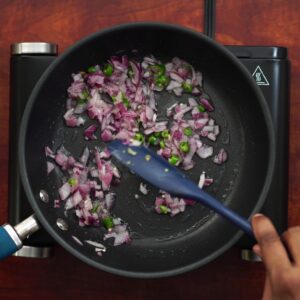
- Start by heating some oil in a pan over medium heat. Add finely chopped onions and green chilies to the oil. Sauté these until the onions are soft and translucent.
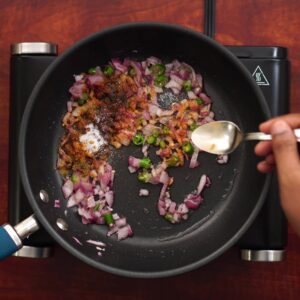
- To the softened onions, add chili powder, coriander powder, garam masala, and black pepper powder. Sprinkle in some salt for taste. Stir everything together until the onions are well-coated with the spices. This helps the spices release their flavors into the oil, creating a rich base for the eggs.
- Pour beaten eggs over the spiced onion mixture. Use a spatula to gently fold and toss the eggs with the spices. Avoid over-stirring to keep the eggs tender and fluffy.

- Once the eggs are fully cooked and firm, with no visible liquid egg remaining, remove the pan from the heat. Serve the masala scrambled eggs warm. They pair wonderfully with roti, bread, chapati, or dosa, making them a versatile option for any meal.
Notes
Here are my top tips to help you make your scrambled eggs even better:
Basic Techniques for Better Scrambled Eggs:
- Perfect the Heat: Cook your eggs on a low to medium heat setting. This helps keep the eggs soft and creamy. Remember, stirring too much can make them tough—so patience really is key here!
- Non-Stick Pan: A quality non-stick pan truly makes all the difference. It keeps the eggs from sticking, ensuring they look as good as they taste and making cleanup a breeze.
- Timing is Everything: Remove the eggs from the heat just before they're fully cooked. They’ll continue to cook with their residual heat, ensuring they turn out perfectly soft rather than overcooked.
Flavor and Texture Enhancements:
- Always Fresh: Use the freshest eggs you can find. Fresh eggs taste better, cook more evenly, and give your scramble a bright, appealing appearance.
- Room Temperature Eggs: Allow your eggs to sit out for a bit before you start cooking. Room-temperature eggs mix more smoothly and cook more evenly, helping you avoid undercooked or overcooked patches.
- Veggie Boost: Enhance your scramble by adding chopped vegetables like chives, scallions, or spinach. Not only do they add a burst of flavor and a boost of nutrition, but they also make the dish visually appealing and tasty.
- Flexible Fats: Choose the right fat for your taste—butter for a rich flavor or oil for a lighter option. Each type of fat adds its own unique flavor to the eggs.
- Add Dairy for Richness: For richer, creamier scrambled eggs, add a splash of cream, half-and-half, or whole milk before whisking. This simple addition can significantly enhance the texture of your eggs.
- Cheesy Delight: If you love cheese, add some grated cheddar or parmesan to your eggs just before they finish cooking. The cheese will melt into the eggs, creating a gooey, delicious texture.
- Herbs for Freshness: Add a touch of freshness with a sprinkle of chopped herbs like parsley, dill, or cilantro just before the eggs are done. This adds not only a vibrant burst of flavor but also a pop of color.
Nutrition
Serving: 1serving | Calories: 161kcal | Carbohydrates: 5g | Protein: 10g | Fat: 11g | Saturated Fat: 3g | Polyunsaturated Fat: 2g | Monounsaturated Fat: 5g | Trans Fat: 0.1g | Cholesterol: 264mg | Sodium: 747mg | Potassium: 185mg | Fiber: 2g | Sugar: 3g | Vitamin A: 1597IU | Vitamin C: 12mg | Calcium: 52mg | Iron: 1mg
Visit the Recipe
Want to view the full post? Simply scan the QR code with your camera and tap the link.
