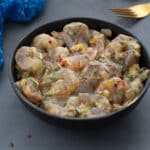
Shrimp Marinade
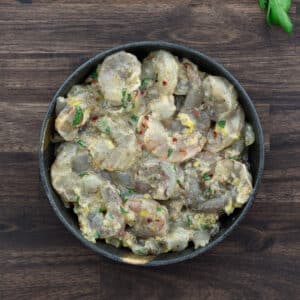
This Shrimp Marinade is a simple but powerful way to enhance your seafood dishes. It combines olive oil, Dijon mustard, garlic, and lemon juice, with fresh parsley and essential seasonings for extra flavor. This versatile marinade isn't just great for shrimp; it also brings out the best in salmon, tilapia, and other fish with its zesty and lively flavors.
Ingredients
- 3 tbsp Olive Oil
- 1 tbsp Dijon Mustard
- 3 cloves Garlic grated
- 1 tsp Chili Flakes adjust according to heat preference
- 2 tbsp Lemon Zest or adjust for less tanginess
- 1 tbsp Lemon Juice
- 1 tsp Parsley Leaves chopped
- Salt to taste
- ½ tsp Black Pepper Powder
Instructions
Making Shrimp Marinade
- Start by gathering all the ingredients mentioned in the ingredients section above.
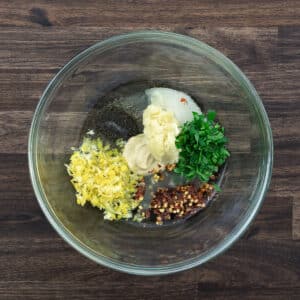
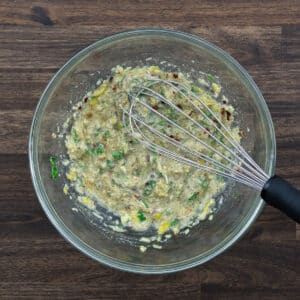
- In a mixing bowl, combine all the ingredients. Stir with a whisk or fork until everything is well blended and the flavors are thoroughly mixed.
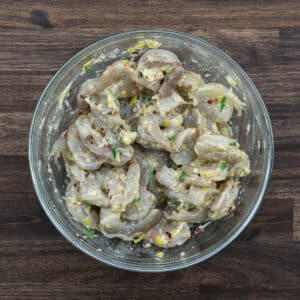
- Place the deveined and shell-removed shrimp into the marinade, making sure they're well-coated. Let them sit in the marinade for at least 30 minutes, but no more than 2 hours. You can use a bowl or a ziplock bag for marinating, depending on what's convenient for you.
Using
- You can use this marinade for shrimp and cook them using your preferred method, such as grilling, baking, air frying, or pan-searing, to suit your taste and convenience. For more ideas, check out our 'How to Use' section below.
Notes
Here are my top tips to help you perfect your Shrimp Marinade and get the most delicious results:
- Acidic Component: Always include something acidic, like lemon juice or vinegar, in your marinade. This not only boosts the flavor but also helps to tenderize the shrimp, making them juicier and more succulent.
- Marinating Time: Shrimp are delicate and can become mushy if marinated for too long due to the acidic components. Stick to the recommended time of 30 minutes to 2 hours to maintain the best texture.
- Marinating Method: Marinate the shrimp in a bowl, zip-top bag, or vacuum-sealed bag, depending on your convenience and the time available. Each method offers a good way to ensure the shrimp are evenly coated and absorb the flavors deeply.
- Avoid Metal Containers: When marinating, use glass or plastic containers as metal can react with the acidic ingredients and alter the flavor of the marinade.
- Temperature: Always marinate shrimp in the refrigerator, not at room temperature, to keep them safe and fresh.
- Safe Marinade Sauce: Before adding the shrimp, set aside some of the marinade. You can use this reserved part as a flavorful sauce to enhance your cooked shrimp. Just remember, if you plan to use any marinade that touched raw shrimp as a sauce, boil it first to eliminate any harmful bacteria. It ensures your meal is both delicious and safe.
- Pat Dry Before Cooking: To get a good sear or char on the shrimp, pat them dry after marinating. This removes excess moisture and helps them cook better, especially if grilling or pan-searing.
- Salt Caution: Since this marinade already includes salt, remember to adjust the amount of salt you add to your dish while cooking to ensure it doesn't become too salty.
- Cooking Method: When you’re mixing up your marinade, think about how you’ll cook your shrimp—whether it’s grilling, on the stovetop, or in the oven. I always tailor my marinade to match the cooking method to make sure the flavors really shine through.
- Sequential Marinating: If you are using other ingredients like vegetables or other types of seafood in the same dish, marinate them separately from the shrimp. Different ingredients can require different marinating times and this prevents over-marinating the shrimp.
Nutrition
Serving: 1serving | Calories: 93kcal | Fat: 11g | Saturated Fat: 1g | Polyunsaturated Fat: 1g | Monounsaturated Fat: 8g | Sodium: 0.2mg | Potassium: 0.1mg | Calcium: 0.1mg | Iron: 0.1mg
Visit the Recipe
Want to view the full post? Simply scan the QR code with your camera and tap the link.
