
Tamagoyaki (Japanese Omelette)
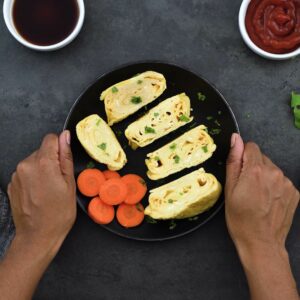
Tamagoyaki, a Japanese rolled omelette that combines sweet and savory flavors in a light, fluffy texture. Seasoned with soy sauce and sugar, you can customize it with fillings like veggies or seafood. It’s perfect for breakfast, as a sushi topper, or in a bento box.
Ingredients
- 6 Egg
- 1 tsp Soy Sauce
- ¼ tsp Sugar or as needed
- 1 tsp Oil for rubbing the pan
Instructions
Making Tamagoyaki
- Start by cracking the eggs into a mixing bowl and whisk vigorously until the mixture is frothy, which will help achieve a light and airy texture in your omelette.
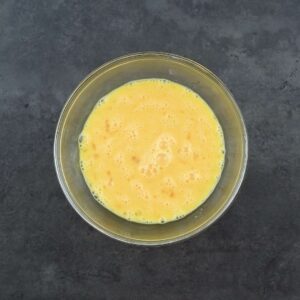
- Add soy sauce and sugar to the whisked eggs and blend well. This combination ensures a perfect balance of umami and sweetness in the flavor of your Tamagoyaki.

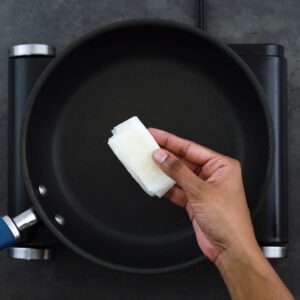
- Lightly oil a pan using a folded paper towel or cloth. Heat the pan over medium heat, setting the stage for even cooking.
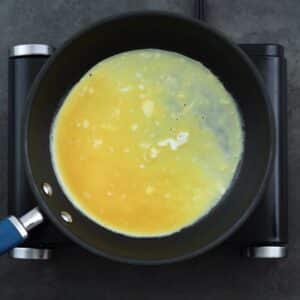
- Gently pour a thin layer of the egg mixture into the warm pan. Tilt the pan to evenly cover the bottom with the egg.
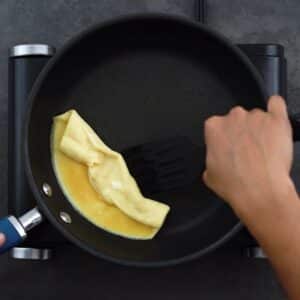
- Once the bottom of the egg starts to set but the top remains slightly moist, carefully roll the egg from one side of the pan to the other, forming a log shape.
- After the initial roll, brush a bit more oil onto the pan with a folded paper towel or cloth. This helps prevent sticking for the next layers.
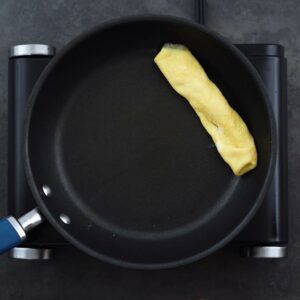
- Pour another thin layer of the egg mixture into the pan, allowing it to flow underneath the already rolled egg. This technique helps bond the layers together seamlessly.
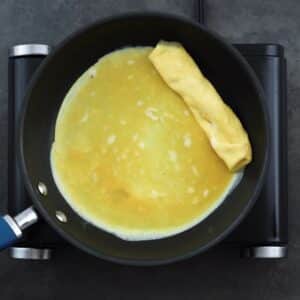
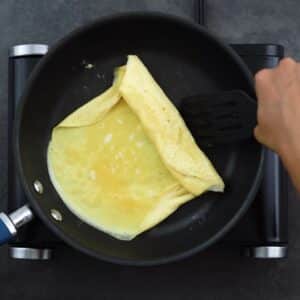
- Wait for the new layer to firm up slightly, then continue the rolling process towards you. Repeat this step, adding and rolling, until all the egg mixture is used up.
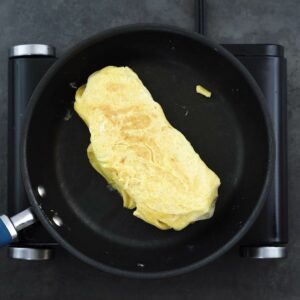
- Once your Tamagoyaki is fully rolled, remove it from the heat. Let it rest for a moment on a cutting board, making it easier to handle and slice.
- Cut the Tamagoyaki into neat, even rounds. Your beautifully layered Japanese omelette is now ready to be enjoyed, offering a delightful bite each time!

Serving
- Enjoy Tamagoyaki as a delightful breakfast treat or include it as a savory side in your bento box lunch. It's a versatile dish that's sure to brighten up your mealtime!
Notes
Here are some of my tips to make the perfect Tamagoyaki:
- Oiling Technique: To control oil usage and maintain a healthier meal, lightly grease the pan with a folded paper towel or cloth dipped in oil before each new layer of egg. It's crucial to apply a thin layer of oil, even with a nonstick pan, to prevent the omelette from sticking and tearing as you add and roll each layer.
- Temperature Control: If the eggs are browning too quickly, lower the heat slightly. Slow cooking is essential for avoiding burns and achieving a nice, golden color.
- Flavor Adjustments: Tamagoyaki is traditionally flavored with soy sauce for umami and sugar for sweetness. Adjust these to taste, reducing or omitting sugar for a more savory version.
- Custom Fillings: Enhance your Tamagoyaki by adding fillings like chopped vegetables, seaweed strips, or seafood bits to personalize flavor and texture.
- Slicing Technique: Let the omelette cool for a few minutes before you start slicing. This brief resting period helps ensure you get clean, even slices without the omelette falling apart.
- Practice Makes Perfect: Don't be discouraged if your initial attempts aren't perfect. Making Tamagoyaki well requires practice, especially mastering the rolling technique.
- Pan Options: You don't need a traditional Tamagoyaki pan to make this omelette. Although a rectangular Tamagoyaki pan is ideal for creating a thick, log-shaped omelette, a regular nonstick round pan can also yield good results. Using a round pan might produce a flatter omelette, so if you aim for a more authentic rolled appearance, opt for a smaller round pan to better maintain the desired shape.
Nutrition
Serving: 1serving | Calories: 208kcal | Carbohydrates: 1g | Protein: 17g | Fat: 15g | Saturated Fat: 4g | Polyunsaturated Fat: 3g | Monounsaturated Fat: 6g | Trans Fat: 0.1g | Cholesterol: 491mg | Sodium: 646mg | Potassium: 189mg | Fiber: 0.03g | Sugar: 1g | Vitamin A: 713IU | Calcium: 75mg | Iron: 2mg
Visit the Recipe
Want to view the full post? Simply scan the QR code with your camera and tap the link.
