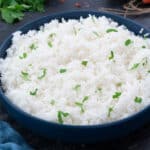
Jasmine Rice
Jasmine Rice is a fragrant long-grain staple in Asian, particularly Thai, cuisine. This recipe guides you through a simple stovetop absorption method for consistently soft, fluffy rice. Ideal for pairing with Asian and Indian curries, stir-fries, and even in fried rice, Jasmine Rice is versatile for both lunch and dinner.
Instructions
Cooking Jasmine Rice
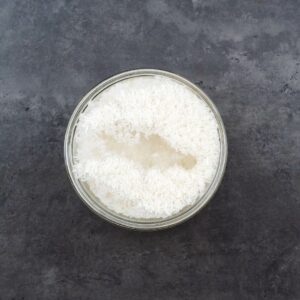
- Begin by rinsing the Jasmine rice in water. Repeat this process 2 to 3 times, or until the water runs clear. This crucial step helps remove impurities and excess starch that can make your rice sticky. After rinsing, allow the rice to drain to remove excess water. Set the rinsed rice aside for later use.
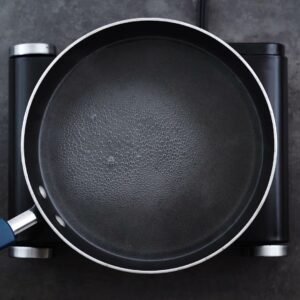
- Fill a medium saucepan or pot with the appropriate amount of water, based on a 1:1½ cup ratio of rice to water. This ratio helps the rice absorb enough moisture without becoming mushy. Bring the water to a boil over medium heat, which is essential for the rice to start cooking properly.
- Carefully add your rinsed Jasmine rice to the boiling water. Use a spoon or spatula to gently spread the rice in an even layer so the grains cook evenly and don't clump together.
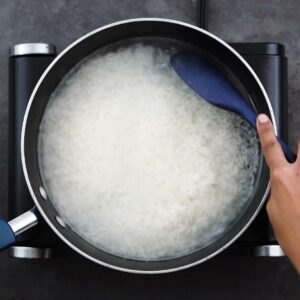
- Allow the rice to boil until bubbles form in the center and around the edges, creating a light, foamy texture on the surface of the water.
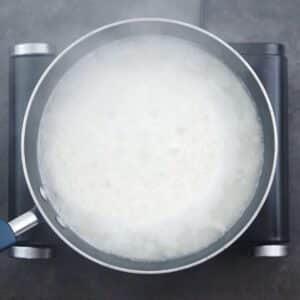
- Once the rice starts to boil, immediately reduce the heat to low and cover the pot tightly with a lid. This traps the steam inside, which is crucial for the absorption method. Allow the rice to simmer gently for about 15 minutes. Remember not to lift the lid during this time, as the steam is essential for cooking the rice.
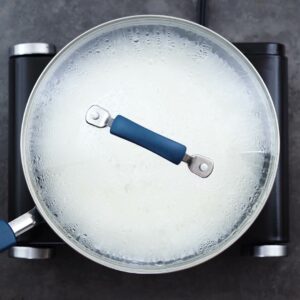
- After the cooking time is up, turn off the heat but keep the rice covered and let it sit for an additional 5 to 10 minutes. This resting period allows the grains to settle and firm up, making them fluffier. Finally, use a fork to fluff up the rice, which separates the grains and releases steam, preventing the rice from becoming dense or overly sticky.
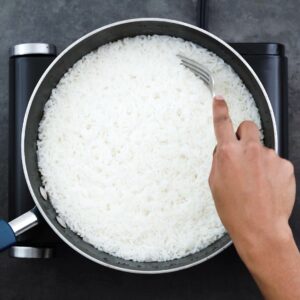
Serving
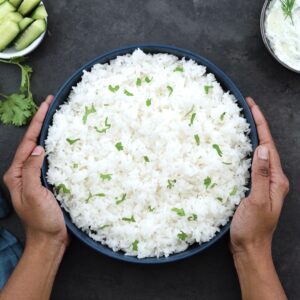
- Enjoy this fragrant Jasmine Rice alongside your favorite curries, stir-fries, or with roasted and baked vegetables for a complete meal. For more pairing ideas, be sure to check out our Serving Suggestions section below.
Notes
Here are some valuable tips to help your Jasmine Rice turn out perfectly every time:
- Choose the Right Pot: Use a pot or saucepan with a tight-fitting lid. This is especially important for the absorption method on the stovetop, as it helps ensure even cooking and retains the necessary steam.
- Rice-Water Ratio: For rice that will accompany curries, use a 1:1½ cup ratio of rice to water. If you’re preparing rice for dishes like fried rice or one-pot meals, a 1:1¼ cup ratio is better to keep the rice 'al dente.'
- Avoid Stirring: Resist the urge to stir the rice while it’s cooking. Stirring can break the grains and release additional starch, which leads to stickier rice.
- Seasoning with Salt: I usually skip adding salt when cooking rice, especially if it’s served with already seasoned dishes like curries or stir-fries. However, adding salt is up to personal preference, so adjust it according to your taste if needed.
Nutrition
Serving: 1serving | Calories: 203kcal | Carbohydrates: 44g | Protein: 4g | Fat: 0.4g | Saturated Fat: 0.1g | Polyunsaturated Fat: 0.1g | Monounsaturated Fat: 0.1g | Sodium: 8mg | Potassium: 64mg | Fiber: 1g | Sugar: 0.1g | Calcium: 19mg | Iron: 0.4mg
Visit the Recipe
Want to view the full post? Simply scan the QR code with your camera and tap the link.
