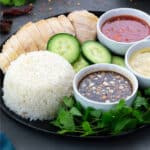
Hainanese Chicken Rice (Singapore Chicken Rice)
Enjoy the flavors of Southeast Asia with our Hainanese Chicken Rice recipe. This simple yet delicious dish originates from China and features tender poached chicken paired with jasmine rice simmered in savory chicken broth. Accompanied by classic sauces, it’s a beloved meal enjoyed from Hainan to Singapore and beyond.
Ingredients
For Hainanese Chicken
- 3½ lb Whole Chicken
- 4 stalks Spring Onion
- 7 cloves Garlic
- 3 inch Ginger sliced
- 7½ tsp Salt divided to season chicken and soup water, or adjust to taste
- 10 cups Water or enough to soak the chicken
- 2 tbsp Sesame Oil
For Hainanese Rice
- 1½ cup Jasmine Rice washed
- 1 tbsp Sesame Oil
- 1½ tbsp Garlic minced
- 1½ tbsp Ginger minced
- 2¼ cup Chicken Broth chicken cooked water
- Chicken Fat chopped, reserved from whole chicken
- Salt to taste
For Chili Sauce
- 1 tbsp Onion chopped
- 1 tsp Garlic minced
- 1 tsp Brown Sugar
- 1 tsp Lemon Juice
- 1 tbsp Rice Vinegar
- 3 tbsp Sambal Oelek
- 2 tbsp Sriracha Sauce
For Soy Dipping Sauce
- ½ tsp Ginger minced
- ½ tsp Garlic minced
- 2 tbsp Light Soy Sauce
- 1 tbsp Sweet Soy Sauce
- 1 tsp Oyster Sauce
- 2 tbsp Chicken Broth broth from cooked chicken
For Ginger Garlic Sauce
- 1 tsp Garlic minced
- 1 tsp Ginger minced
- 1 tbsp Rice Vinegar
- Salt to taste
- 2 tbsp Peanut Oil or Sesame oil
Other Ingredients
- Cucumber Slices for serving
- Fresh Coriander Leaves for serving
- Ground Black Pepper as needed for soup while serving
Instructions
Preparing the Hainanese Chicken
- Start by drying the whole chicken with a clean kitchen towel. Trim any excess fat and keep it for later use. Rub salt evenly over the chicken's skin to enhance the flavor. Season the inside with salt, garlic, and ginger, and stuff the cavity with fresh spring onions for extra flavor. Check out our video below for a visual guide.
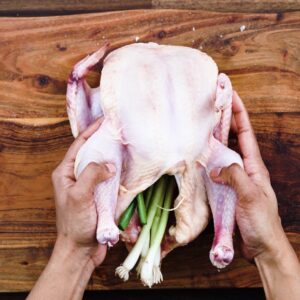
- Place the chicken in a large, deep pot over medium heat. Fill the pot with enough water to completely cover the chicken, adding a light sprinkle of salt to the water to start building the flavor base. Bring the water to a boil.
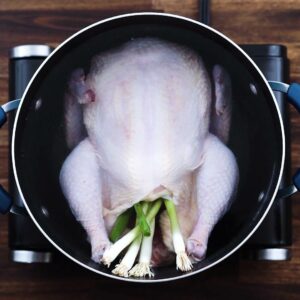
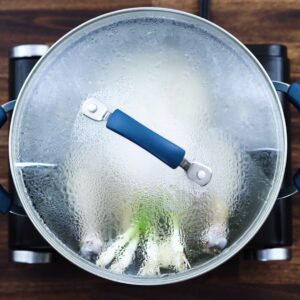
- Once boiling, lower the heat to maintain a gentle simmer. This helps cook the chicken evenly and keeps the meat tender. Cover the pot and let it simmer gently for 30 to 40 minutes, or until the chicken is fully cooked. Check the doneness with a kitchen thermometer; the internal temperature should reach 165 degrees Fahrenheit.
- After the chicken is fully cooked, use tongs and a spatula to carefully lift it from the pot. Remove the aromatics from inside and set aside the flavorful broth for later. To stop the cooking process, place the chicken in an ice bath for at least 5 minutes, turning occasionally to cool evenly.
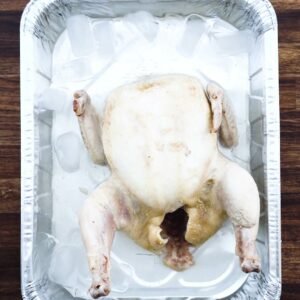
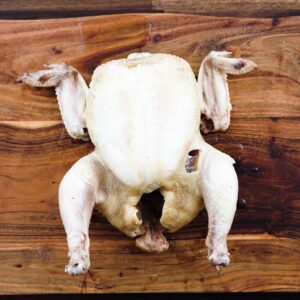
- Remove the chicken from the ice bath and pat it dry with a clean kitchen towel. Drizzle sesame oil over the chicken and gently rub it all over the skin. Let the chicken rest until ready to serve.
Preparing the Hainanese Rice
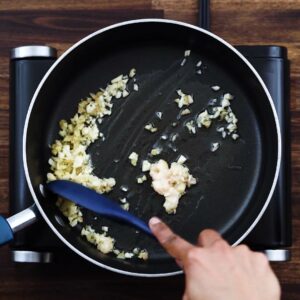
- Start by heating a pan over medium heat. Add some sesame oil, along with ginger, garlic, and the reserved chicken fat you set aside earlier. Sauté these ingredients until they become aromatic and fragrant.
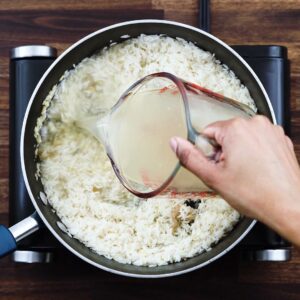
- Add jasmine rice to the pan. Stir the rice well to make sure it's thoroughly coated with the oil and aromatics. This step is important for infusing the rice with flavor. Pour in the reserved chicken broth and stir everything together
- Wait for the mixture to come to a boil. As soon as it starts boiling, reduce the heat to low.
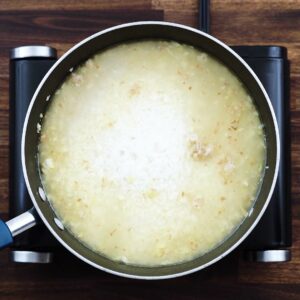
- Cover the pan with a lid and let the rice simmer. It usually takes about 25 to 30 minutes for the rice to fully cook and absorb all the liquid.
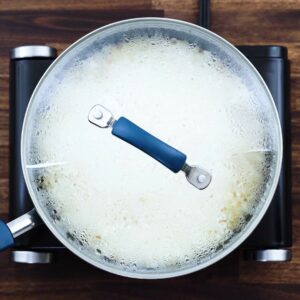
- Once the rice is cooked, remove the lid. Fluff the rice gently with a fork or a spatula. The rice is now ready; set it aside until you're ready to serve.
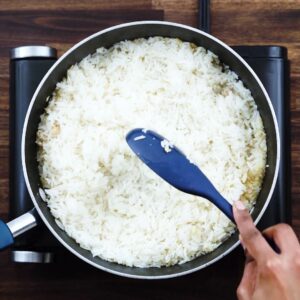
Preparing Dipping Sauces
- Chili Sauce: Start by gathering all the chili sauce ingredients previously listed in the ingredients section. Mix them vigorously in a bowl to blend the flavors well. This creates a spicy and vibrant sauce perfect for adding a kick to the chicken.
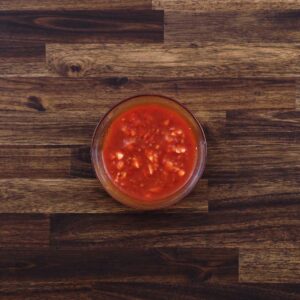
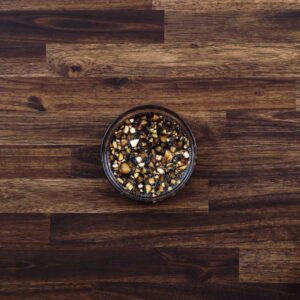
- Soy Dipping Sauce: In another bowl, combine all the ingredients for the soy dipping sauce that were mentioned earlier. Mix well to create a smooth, savory complement to the chicken.
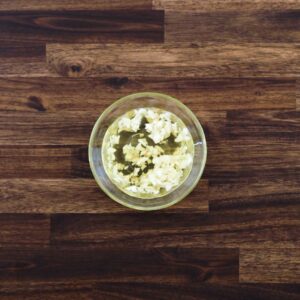
- Ginger Garlic Sauce: Finally, in a separate bowl, mix together all the ingredients for the ginger garlic sauce, as detailed in the ingredients section. Stir thoroughly to make sure the ginger and garlic are well blended, enriching the sauce with their robust flavors.
Serving
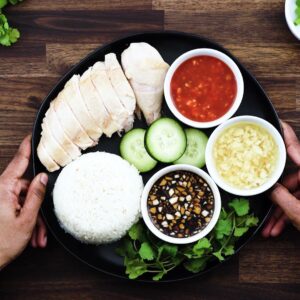
- Start by slicing the poached Hainanese chicken into portions and arranging them on a plate alongside the fragrant Hainanese rice. Serve with small bowls of chili sauce, soy dipping sauce, and ginger garlic sauce for dipping, along with sliced cucumber and fresh coriander leaves. For extra serving ideas, check out our Serving Suggestions section below.
Notes
Here are some helpful tips to take your Hainanese Chicken Rice to the next level:
- Quality Ingredients: The foundation of any great dish starts with its ingredients. Opt for high-quality, fresh chicken and aromatic produce like ginger and garlic. While jasmine rice adds a traditional fragrance and texture, you can personalize the dish with white or basmati rice if desired, adjusting cooking times as needed.
- Cooking Temperature: For safe cooking and the best texture, cook the chicken until it reaches an internal temperature of 165°F as recommended by FDA. A meat thermometer is helpful here to prevent undercooking or drying out the chicken.
- Ice Bath Technique: Placing the chicken in an ice bath right after poaching stops the cooking process, helping it stay tender and juicy. This step also firms up the skin, making it easier to handle and slice.
- Flavorful Rice: Enhance the rice by sautéing it first in the chicken fat set aside from trimming the whole chicken. This enriches the rice with a savory depth before cooking it in the chicken broth, which adds extra layers of flavor absorbed from the poached chicken.
- Broth Utilization: Maximize the chicken broth (the water used to cook the chicken) by using it to cook the rice. The broth contains essences of the chicken and aromatics, which help to infuse the rice with rich, complex flavors.
- Resting the Chicken: After the ice bath, let the chicken rest for a few minutes before slicing. This allows the juices to redistribute, maintaining moisture and flavor within the meat.
- Rice Preparation: For the perfect texture, thoroughly rinse the rice until the water runs clear. This removes excess starch that can make the rice sticky. Fluff gently post-cooking to maintain light, separate grains.
- Chicken Skin Crisping Option: After poaching, remove some of the chicken skin and crisp it up in a skillet until golden and crunchy. Chop it into small pieces and sprinkle over the rice or chicken before serving for an extra twist in texture and flavor.
- Proportional Spices: Personalize the spice level by adjusting the amount of ginger and garlic. Some may prefer a more pronounced ginger flavor, while others might lean towards a garlicky profile.
- Condiments: Complement the meal with homemade chili and ginger sauces, which provide a vibrant contrast to the mild flavors of the rice and chicken. Preparing these condiments fresh can significantly impact the overall flavor profile.
- Versatile Rice Cooking: Experiment with different methods of cooking rice, like using a rice cooker for convenience or a pressure cooker for speed. Each method can yield slightly different textures, allowing you to find the perfect consistency for your preference.
- Serving on Banana Leaves: For a more traditional and visually appealing presentation, serve the chicken and rice on banana leaves. This can add a slight earthy aroma and elevate the presentation.
- Leftover Chicken Ideas: If you have extra chicken, try shredding it for a quick chicken stir-fry, fried rice, or adding it to a chicken noodle soup or chicken and rice soup the next day. Hainanese chicken has a mild flavor, making it a great addition to various dishes.
Nutrition
Serving: 1serving | Calories: 736kcal | Carbohydrates: 58g | Protein: 37g | Fat: 38g | Saturated Fat: 10g | Polyunsaturated Fat: 10g | Monounsaturated Fat: 15g | Trans Fat: 0.1g | Cholesterol: 123mg | Sodium: 4563mg | Potassium: 520mg | Fiber: 1g | Sugar: 2g | Vitamin A: 525IU | Vitamin C: 11mg | Calcium: 90mg | Iron: 4mg
Visit the Recipe
Want to view the full post? Simply scan the QR code with your camera and tap the link.
