
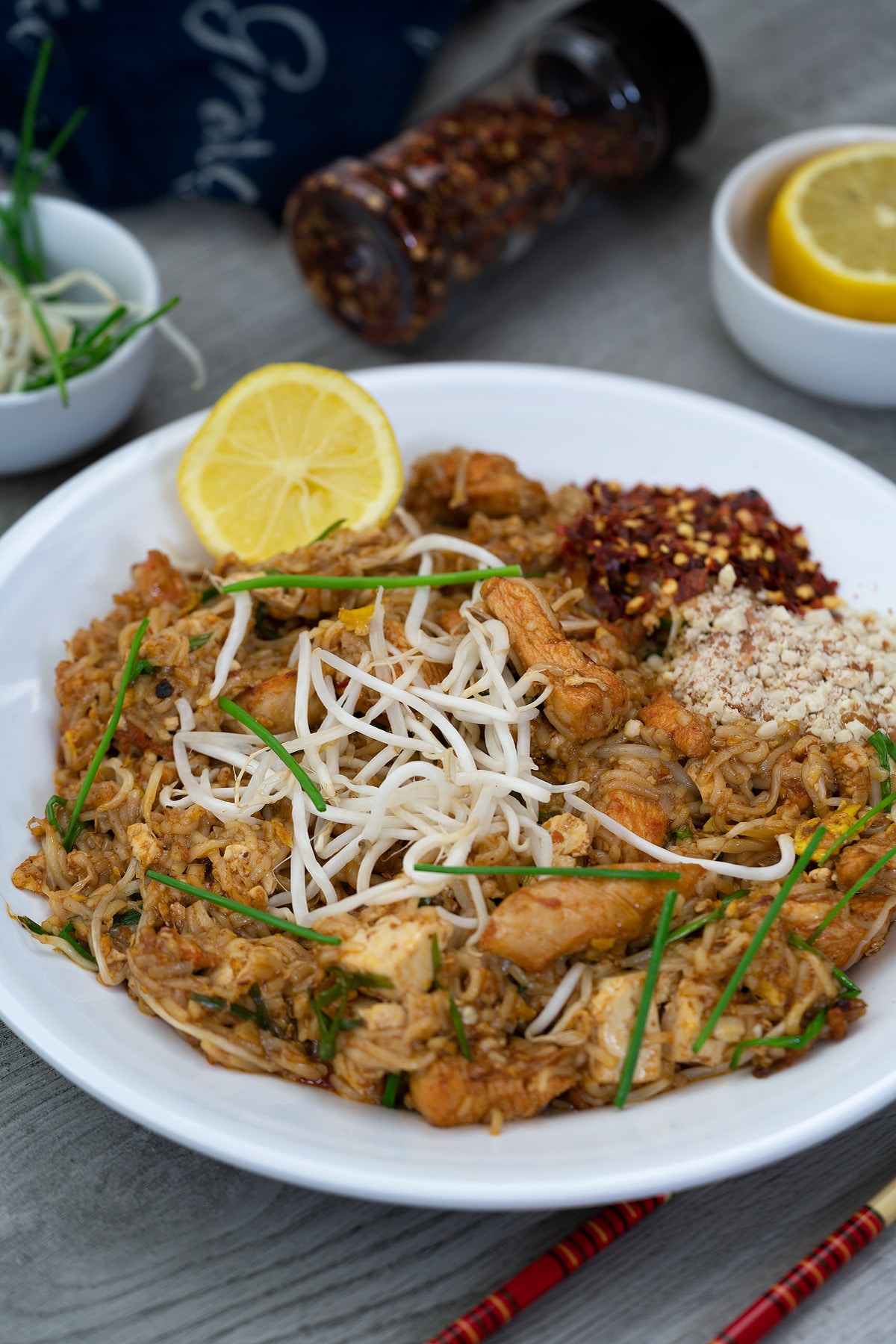
Pad Thai is a famous Thai noodle dish with a perfect balance of sweet, savory, and spicy flavors. It's a great choice for lunch or dinner and easy to make at home. The dish brings together rice noodles with chicken, tofu, shrimp, and egg, all tossed in a flavorful Pad Thai sauce.
What You’ll Find On This Page
Loved both as street food in Thailand and in Thai restaurants worldwide, Pad Thai can be ready in under 30 minutes. It's easy to adjust for vegan diets, making it a dish that everyone can enjoy. Whether you’re cooking for the family or hosting a small gathering, Pad Thai is always a hit and tastes just like your favorite takeout!
Explore More Noodles Based Recipes:
Ingredients and Substitutions Overview
To make a delicious Pad Thai with rich flavors, you’ll need a few easy-to-find ingredients from your local Asian grocery store. Let’s take a look at what you’ll need to bring this tasty dish to life.
Ingredients for Pad Thai Sauce
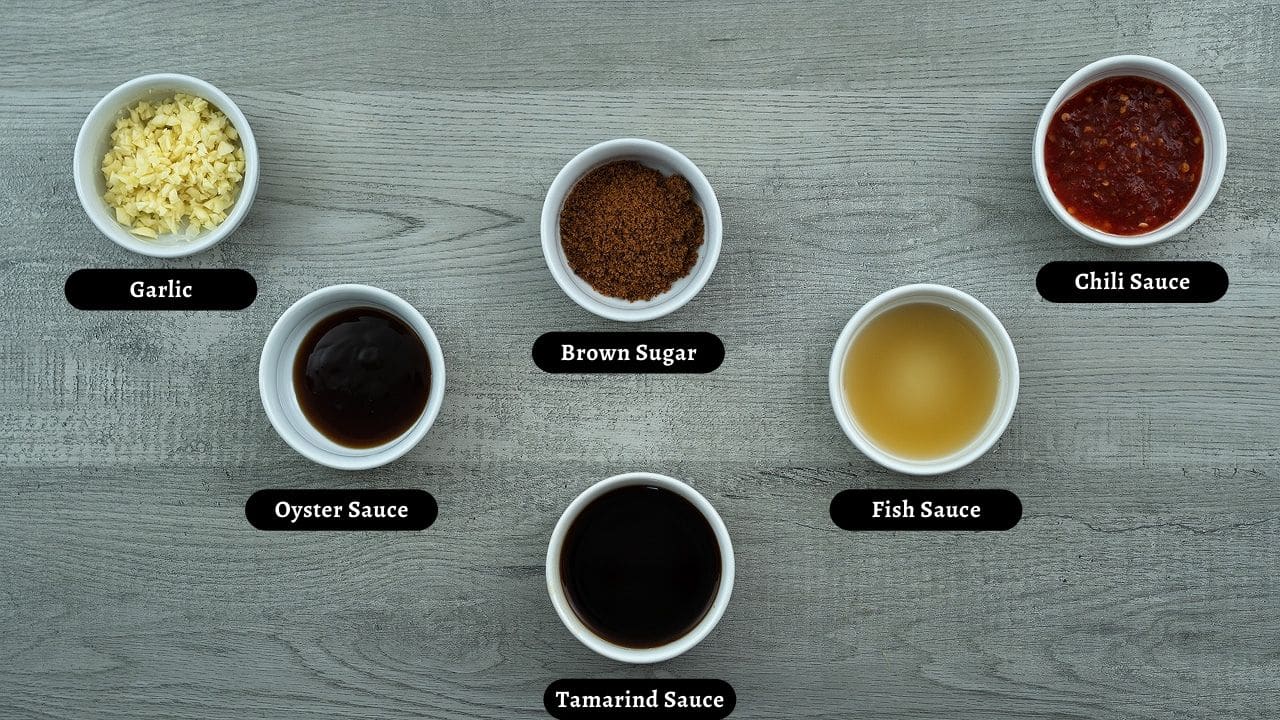
- Tamarind Paste or Puree: This is the key to Pad Thai's tangy flavor. You can use either tamarind paste or puree, whichever you have on hand.
- Fish Sauce: Brings authentic flavor to the dish. If the smell feels too strong, you can reduce the amount or skip it, but keep in mind it really adds to the traditional taste.
- Oyster Sauce: A thick, dark sauce that adds richness and extra depth to the noodles.
- Chili Sauce (optional): If you like some heat, add bit of chili sauce for a mild kick. Feel free to adjust it to your spice level.
- Brown Sugar: Adds sweetness to balance the flavors, similar to Thai palm sugar. For an authentic taste, use palm sugar, but brown sugar works well if that's what you have on hand.
Ingredients for Pad Thai
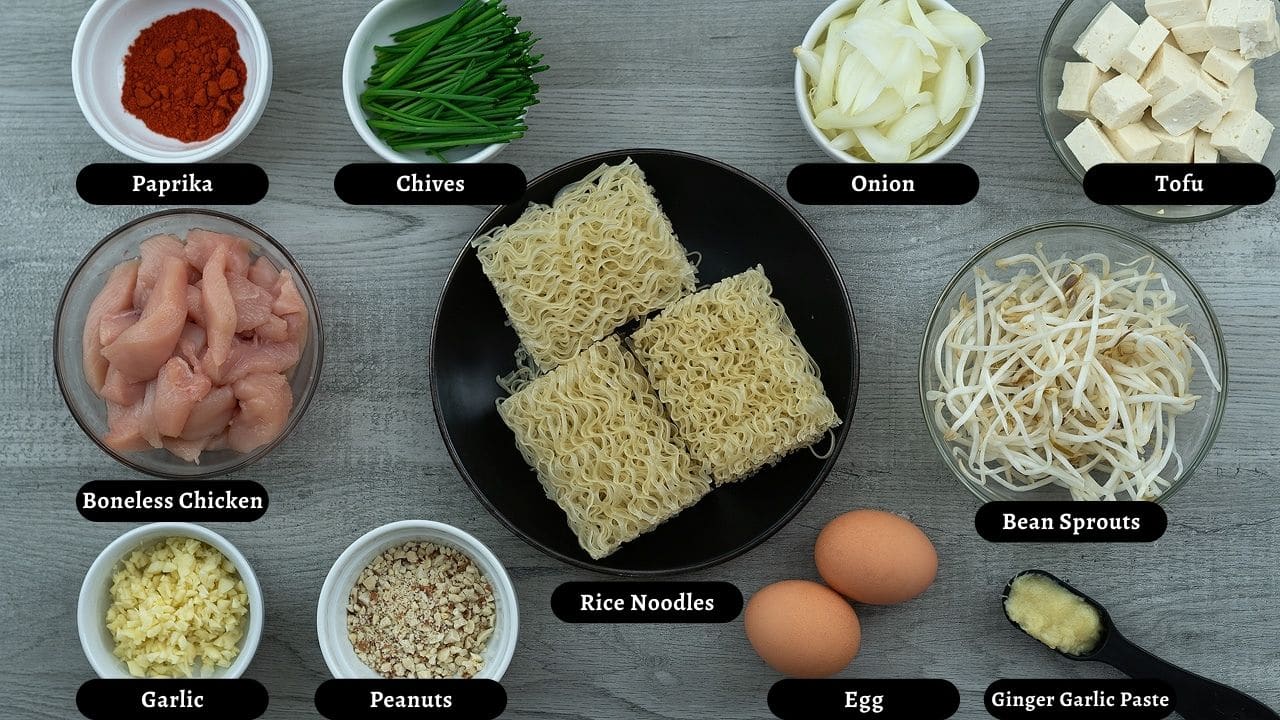
- Rice Noodles: Flat rice noodles are the go-to for Pad Thai, but rice noodle cubes work just as well in this recipe.
- Crushed Peanuts: These add a crunch and rich flavor to the dish.
- Proteins: In this recipe, I use chicken breast, egg, and extra firm tofu. If you’re a seafood lover, shrimp or prawns are great options to add!
- Paprika: It adds a nice smoky depth to the marinated chicken. If you don’t have paprika, you can use Kashmiri chili powder for a similar flavor!
- Ginger Garlic Paste: This paste is key for removing any raw chicken smell and enhancing the overall taste.
- Lemon Juice: A squeeze of lemon juice at the end gives the dish a bright, zesty finish.
How to Make Pad Thai at Home?
Let’s jump right in and make this authentic Pad Thai! We’ll start by marinating the chicken, preparing the Pad Thai sauce, and then bringing everything together into a flavorful dish. I’ve included photos and a video to guide you for a smooth cooking experience and delicious results. Let’s get started!
Discover More Stir-Fry and Thai Recipes:
- Thai Basil Chicken
- Chicken Stir Fry
- Sweet and Sour Chicken
- Teriyaki Chicken
- Shrimp Stir Fry
- Tofu Stir Fry
- Thai Green Curry
- Panang Curry
- Yellow Curry
- Thai Red Curry
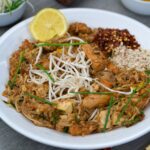
Pad Thai
Ingredients
For Marination
- ¼ lb Chicken Breast, bite sized
- 1 tsp Ginger Garlic Paste, optional
- 1 tsp Paprika
- ½ tsp Salt, or to taste
For Pad Thai Sauce
- ½ tsp Tamarind Paste, or concentrate, diluted in 2 tbsp water
- 1 tbsp Fish Sauce
- 1 tbsp Oyster Sauce
- 2 tsp Brown Sugar
- 1 tsp Chili Sauce
For Cooking the Noodles
- Water, to cook noodles
- 8 oz Rice Noodles, 3 cubes
- Cold Water, to stop the cooking process
Other Ingredients
- ¼ cup Oil
- 2 tbsp Garlic, minced
- ¼ cup Onion, chopped
- 2 eggs
- ½ cup Bean Sprouts
- ½ cup Tofu, firm
- 2 tbsp Peanuts, crushed
- 2 tbsp Chives
- 1 tsp Chili Flakes
- 1 tbsp Lemon Juice
Instructions
Marinating the Chicken (Optional)
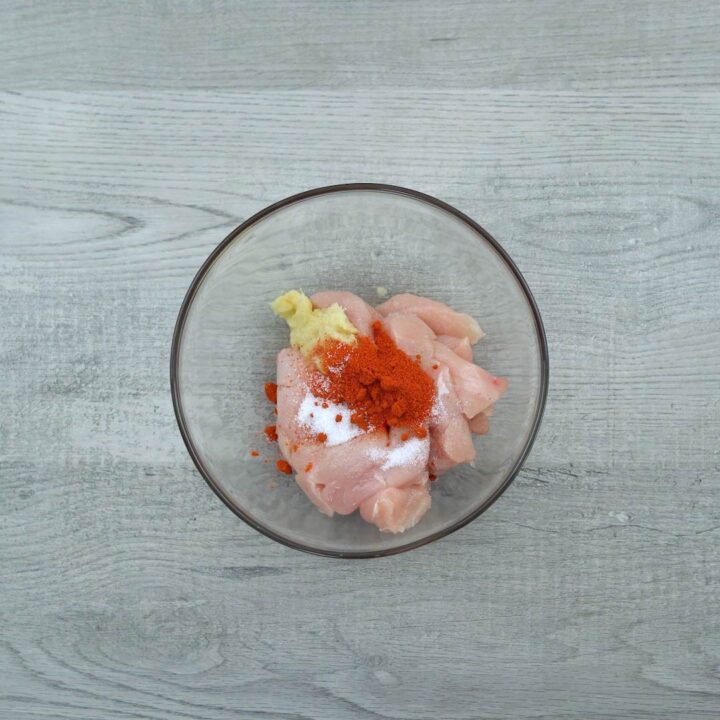
- Mix boneless chicken pieces with ginger garlic paste, paprika, and salt in a bowl. Set it aside for later. This step is optional but adds extra flavor, which I’ve included to suit my family’s taste preferences.

Making the Pad Thai Sauce
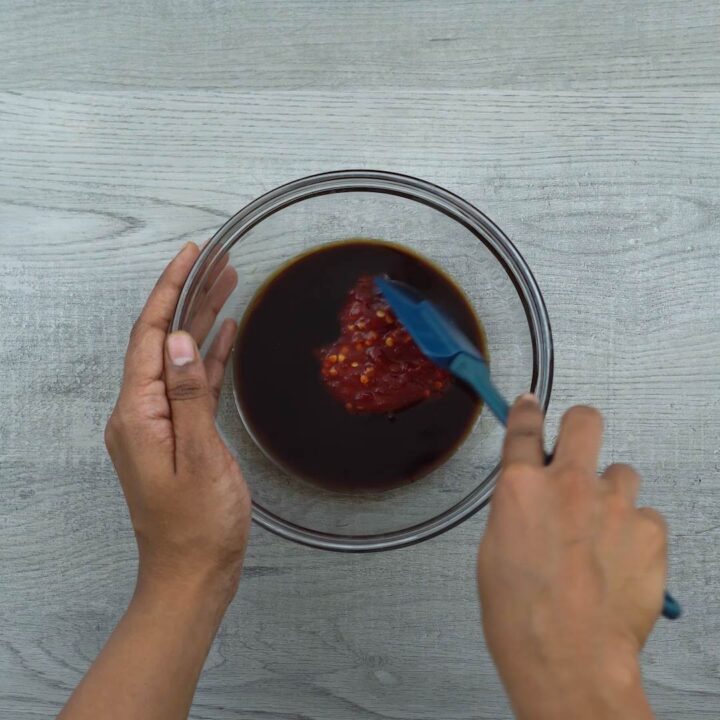
- In a bowl, mix tamarind concentrate (½ tsp diluted in 2 tbsp of water) or tamarind puree, fish sauce, oyster sauce, chili sauce, and palm sugar or brown sugar. Once combined, set it aside. These ingredients give the sauce a nice balance of sweet and savory flavors.
Cooking the Noodles
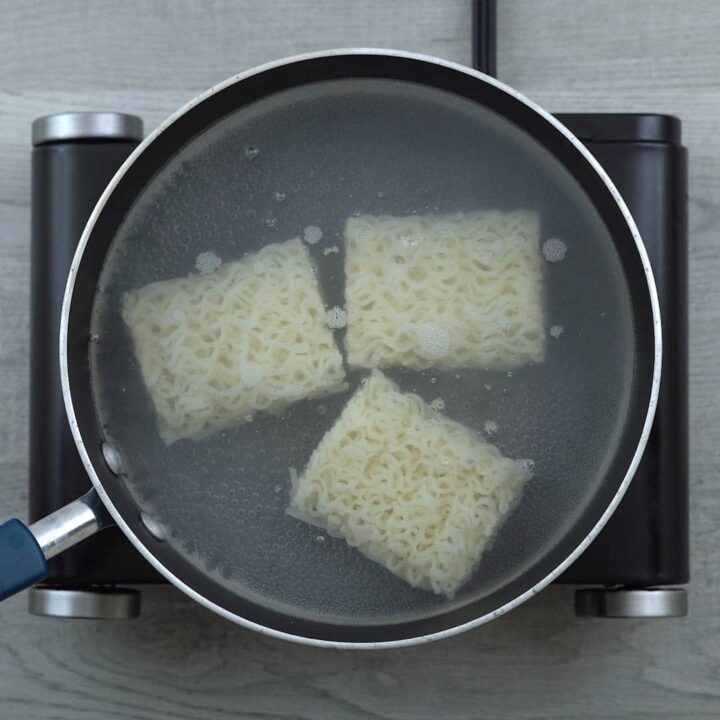
- Bring enough water to a boil in a pan over medium heat, then add the rice noodles and cook according to the package instructions. Be careful not to overcook them, as they can become mushy.
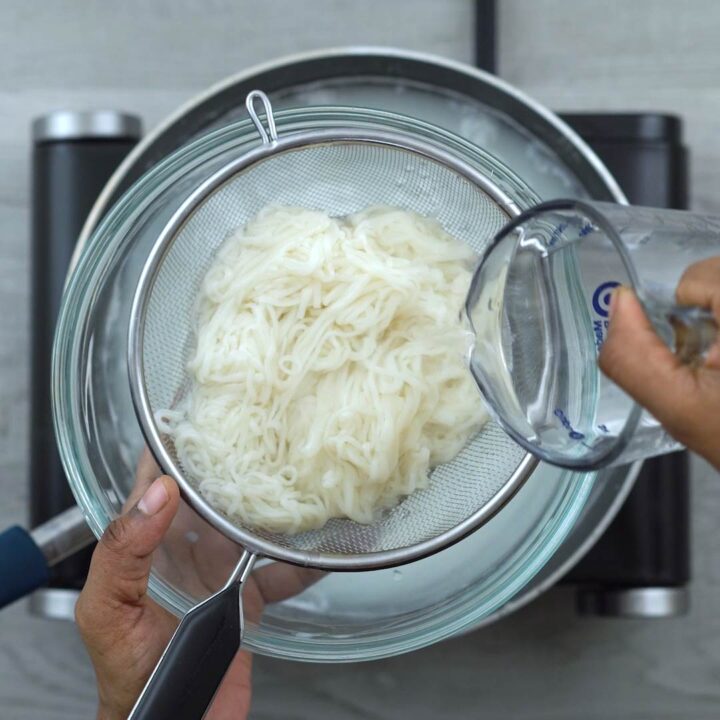
- Once the noodles are cooked, drain them using a fine mesh strainer and rinse with cold water to stop the cooking process. This helps keep them from sticking together. Set the noodles aside for later use.
Preparing the Pad Thai
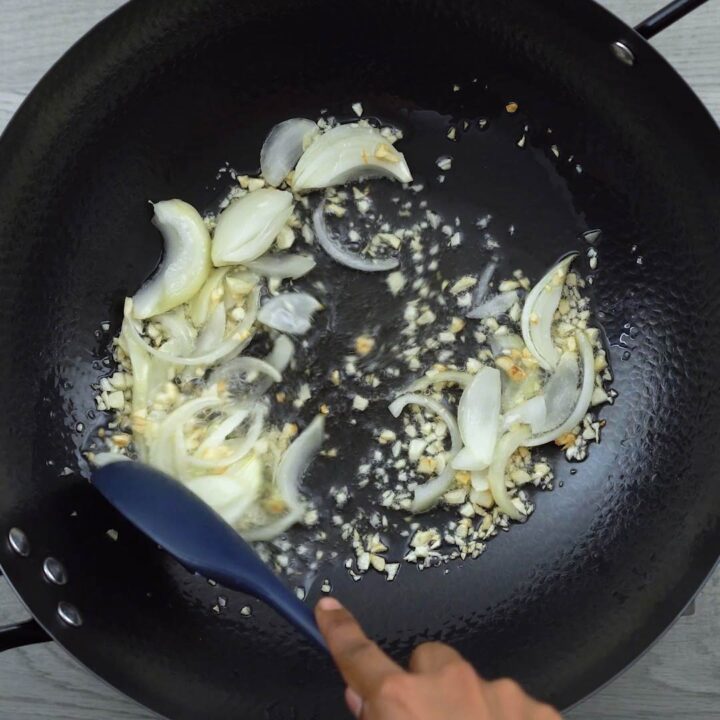
- Heat oil in a wok over high heat. Add garlic and onions, sautéing until they soften and release their aroma.
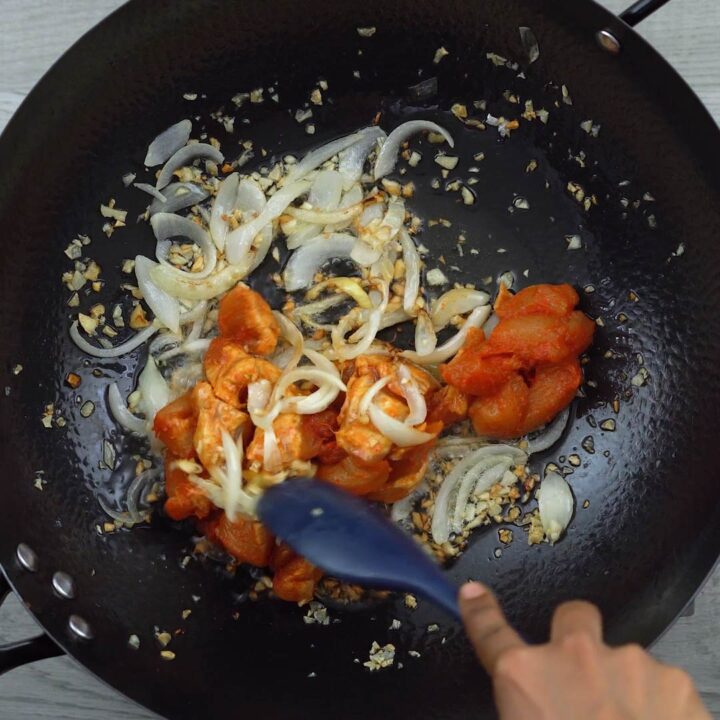
- Add the marinated chicken and stir-fry for 5 to 7 minutes, or until the chicken is cooked through and slightly golden. Stir frequently so the chicken cooks evenly.
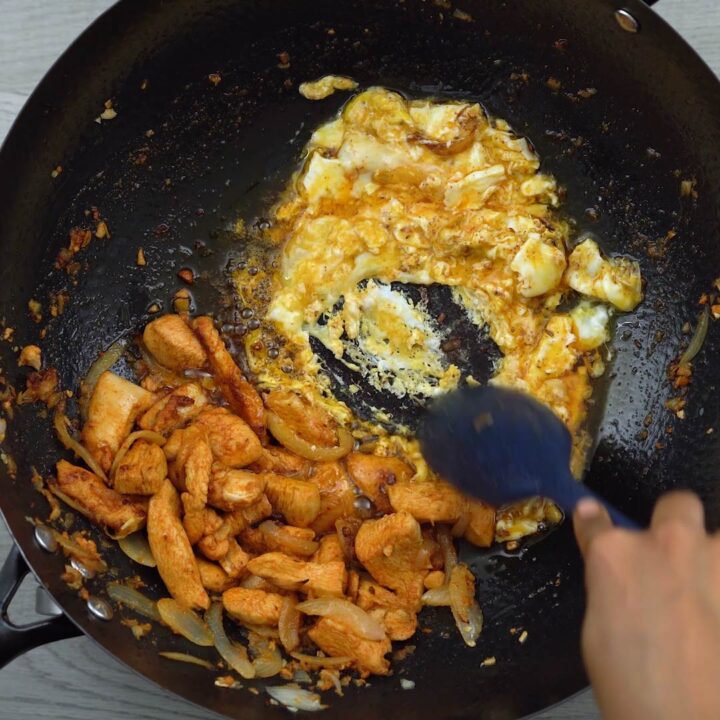
- Push the chicken to one side of the wok, leaving space for the eggs. Crack in the eggs and scramble them, cooking until they're just set. Then, mix them together with the chicken.
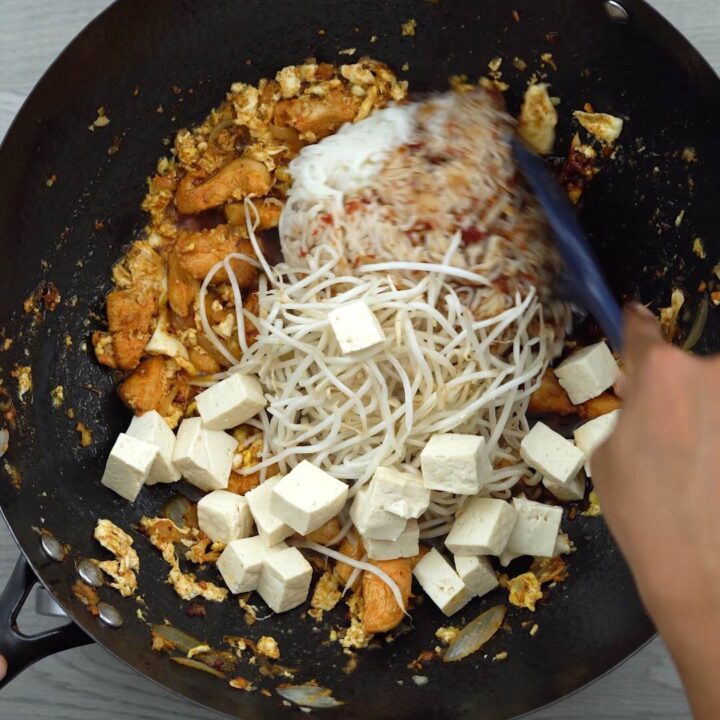
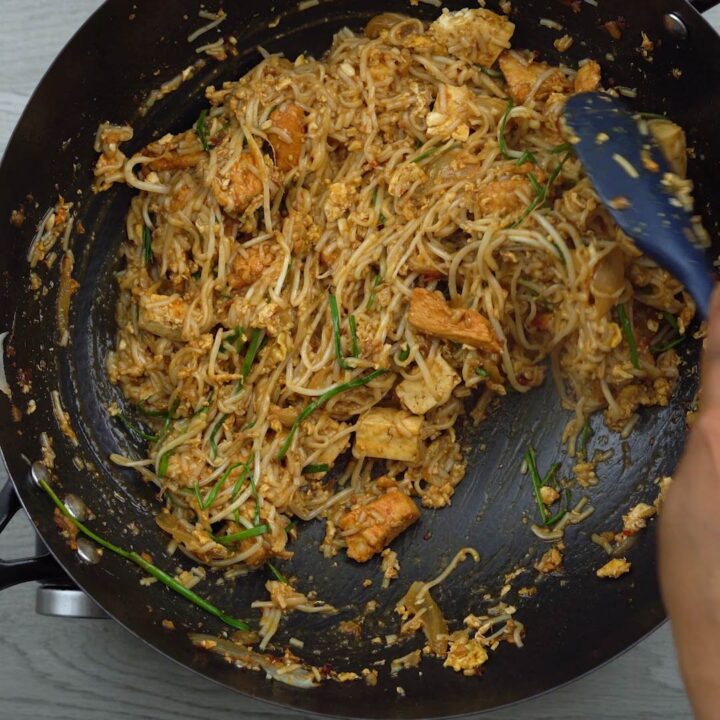
- Add the cooked rice noodles, Pad Thai sauce, bean sprouts, and tofu to the wok. Toss everything together thoroughly so the sauce evenly coats the noodles and vegetables. Be careful not to break the noodles by stirring too harshly.
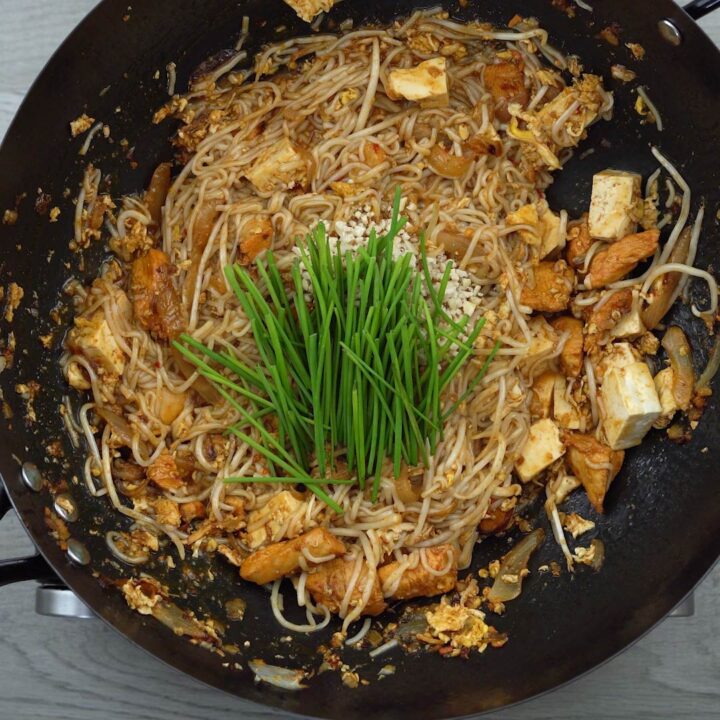
- Stir in the crushed peanuts, chives, and fresh lemon juice. This will add a nice crunch and a burst of fresh flavor to the dish.
- Your delicious Pad Thai is now ready to be served and enjoyed!
Serving
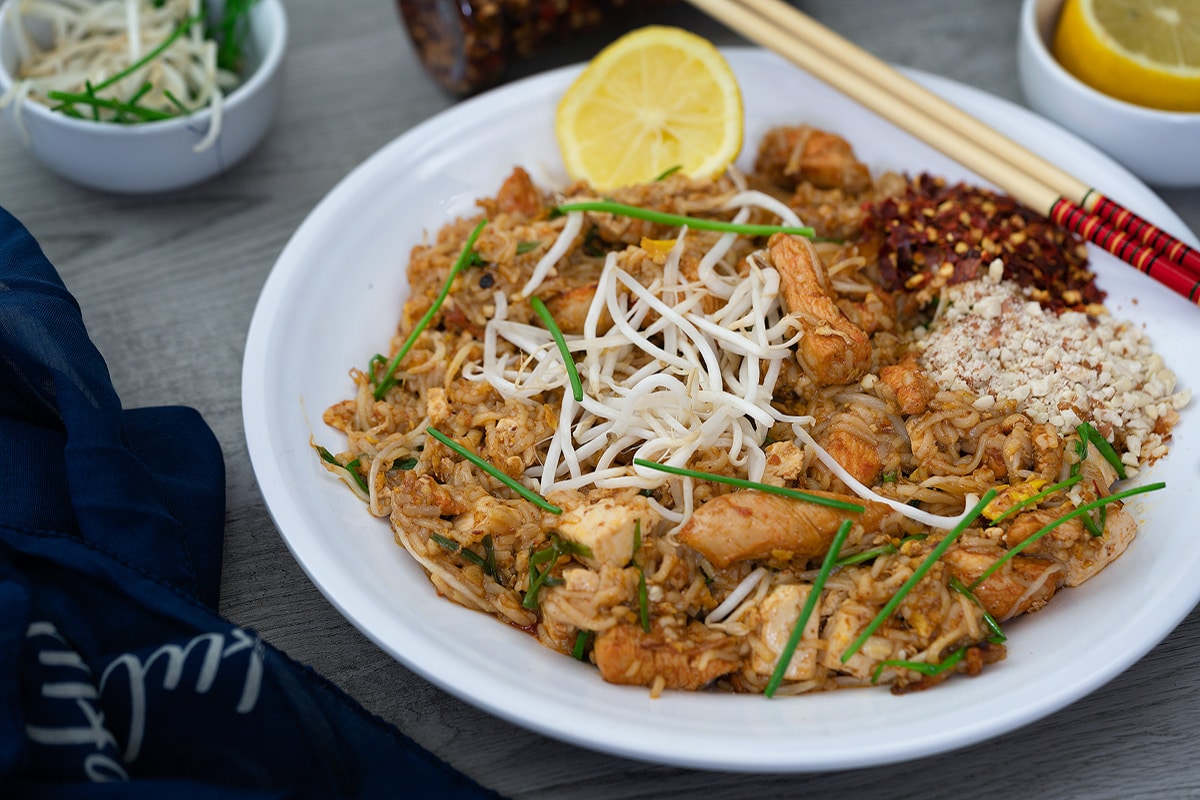
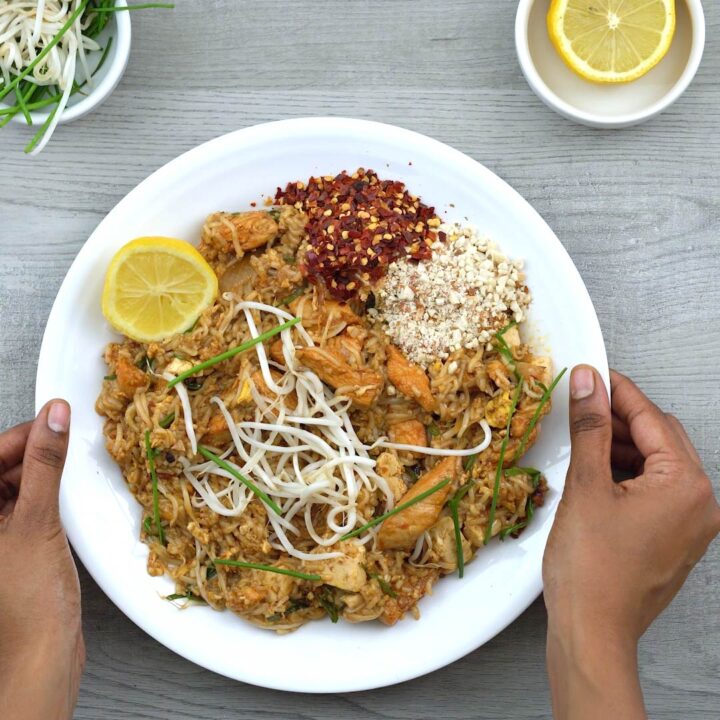
- Enjoy this sweet and savory Pad Thai topped with crushed peanuts, bean sprouts, chili flakes, and chives—perfect for a tasty lunch or dinner. For more pairing ideas, check out our serving suggestions section below.
Recipe Video
Chef's Notes and Tips
- Prepping Ingredients: Have all your ingredients ready before you start cooking. Pad Thai cooks quickly, so having everything prepped and within reach helps avoid burning anything, which can affect the flavor of the dish.
- Fish Sauce: While it has a strong smell, fish sauce doesn’t make the dish taste fishy. Instead, it adds depth. If the aroma is too much for you, reduce or skip it, but note that this may slightly alter the traditional taste.
- Noodle Texture: Don’t overcook the rice noodles—keep them slightly firm. If they get too soft, they can turn mushy when tossed in the sauce. After cooking, rinse them with cold water to stop the cooking process and prevent sticking.
- Shrimp Option: For shrimp lovers, adding fresh or dried shrimp flakes enhances the flavor of Pad Thai, making it taste more like traditional street food in Thailand. To avoid overcooking shrimp, cook them separately in the wok until they’re just pink and firm, then set them aside. Add them back in during the final toss, so they stay juicy and tender.
- Vegan and Vegetarian Variations: Vegans can easily adapt this dish by omitting the fish sauce, egg, and chicken, and using vegetarian oyster sauce or soy sauce along with tofu. For vegetarians, adding mushrooms, carrots, or cabbage brings more texture and flavor. You can also try tempeh or chickpeas for extra protein.
- Make it Ahead: If you’re planning to make Pad Thai ahead of time, store the cooked noodles and sauce separately to keep the noodles from getting soggy. When you're ready to serve, toss the noodles with the sauce and other ingredients to maintain the perfect texture. If the noodles seem dry, add a little water or extra sauce when reheating to freshen them up.
Nutrition Info
Disclaimer
We're not nutrition experts, and the nutritional information provided is an estimate. Please use it as a guide. For precise details, it's best to consult a professional. To learn more, please view our Detailed Disclaimers.
Serving Suggestions
Pad Thai is a filling dish on its own, but if you want to add a little extra to the meal, here are some great ideas to pair with it. A simple side salad with fresh veggies and a light dressing can balance the rich flavors of Pad Thai. I also love serving it with a small bowl of soup, like a light vegetable, chicken or miso soup, and even chicken dishes to round out the meal.
Storage Suggestions
I recommend enjoying Pad Thai fresh from the wok when the flavors are at their best. If you have leftovers, you can store them in the fridge for up to a day. Just keep in mind that it might not taste as good as when it’s freshly made. When reheating, add a little water to bring back some moisture.
Leave a Review