
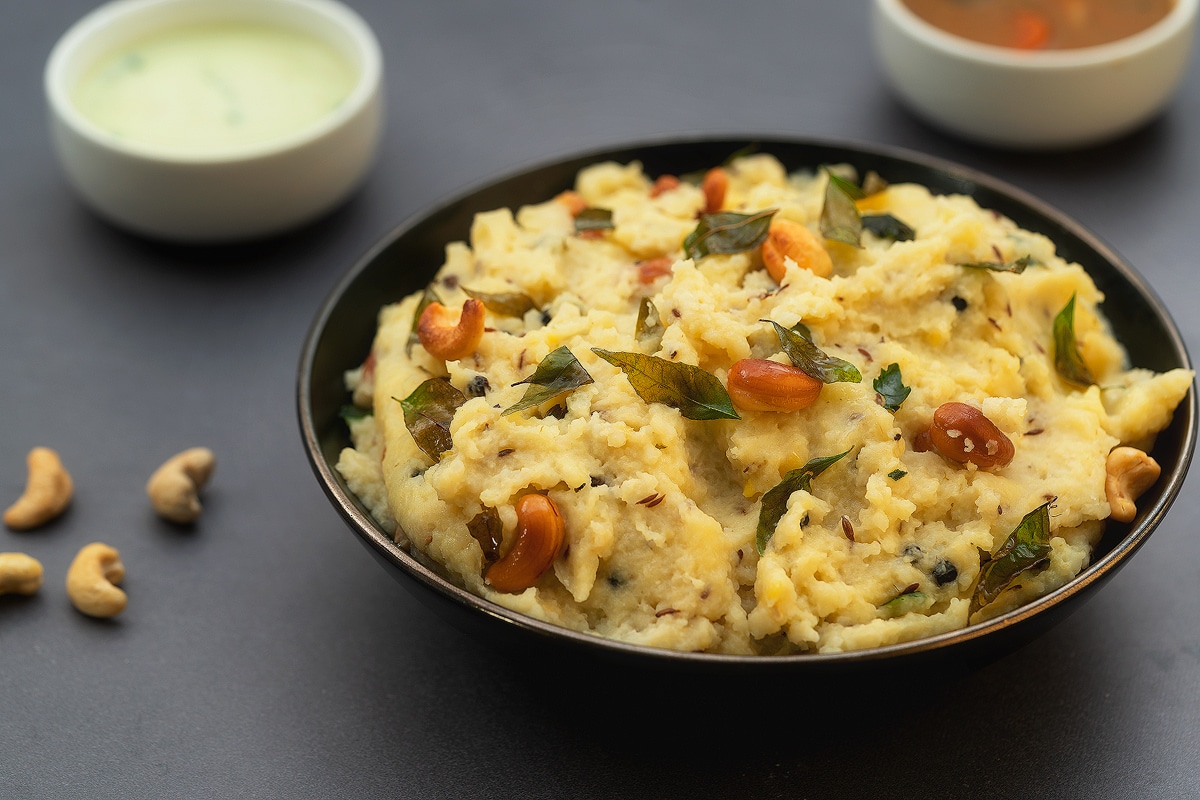
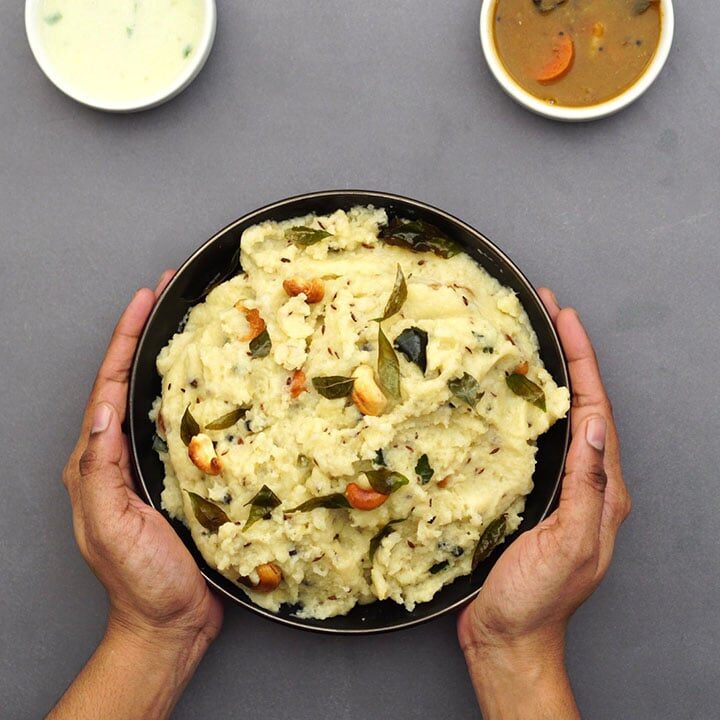
Ven Pongal, also known as Khara Pongal, is a beloved South Indian savory dish, commonly enjoyed for breakfast or dinner. This flavorful and easy-to-make meal, originating in Tamilnadu and known across southern states like Karnataka, is ready in just 30 minutes. It's versatile, pairing well with sambar or chutneys, or delicious on its own.
What You’ll Find On This Page
Ven Pongal stands out from its sweet counterpart, Sakkarai Pongal, by featuring a savory blend of short-grain rice, moong dal, and aromatic spices like cumin, peppercorns, curry leaves, and cashews, all cooked in ghee. This combination results in a comforting, porridge-like dish.
Significant during the Pongal festival as an offering to the Sun God, Ven Pongal is also a regular in temples as Prasadam and a popular everyday meal in South India. Its nutritious profile, rich in fats and proteins from ghee and moong dal, makes it an ideal choice for children's growth and easy digestion.
Discover Indian Breakfast and Dinner Delights:
Ven Pongal (Khara Pongal)
Ingredients
For Cooking Pongal
- ¼ cup Ghee
- ¾ cup Moong dal , washed
- 1 cup Rice, sona masoori, washed
- 5 cup Water
- 3 Green Chili, sliced
- 1 tsp Ginger, chopped
- Salt, to taste
For Tempering
- ¼ cup Ghee
- 2 tsp Cumin Seeds
- 2 tsp Peppercorn
- ¼ cup Cashew Nuts
- 1 sprig Curry Leaves
Instructions
Cooking Ven Pongal
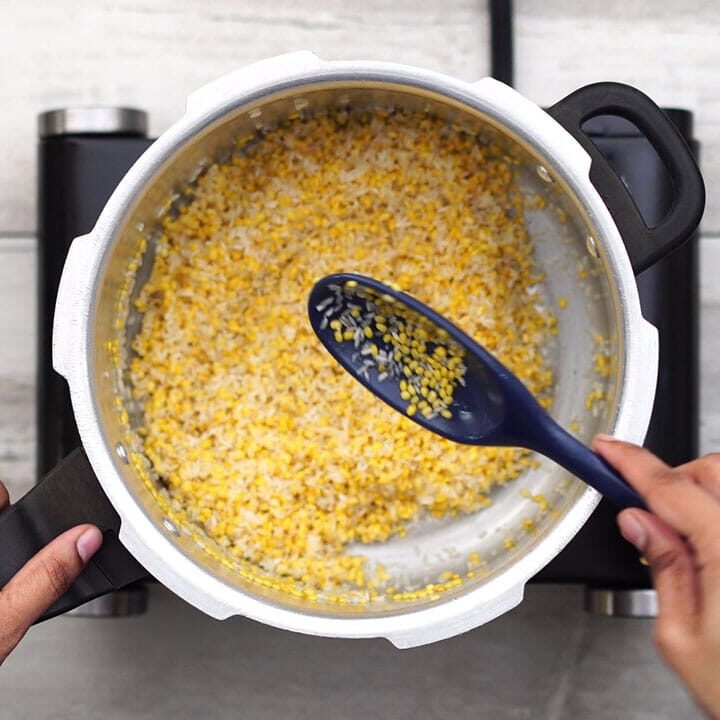
- Begin by heating ghee in a pressure cooker on medium. Add the rice and moong dal, stirring them until they're well-coated and aromatic. This step is key for infusing the ghee's richness into the grains.

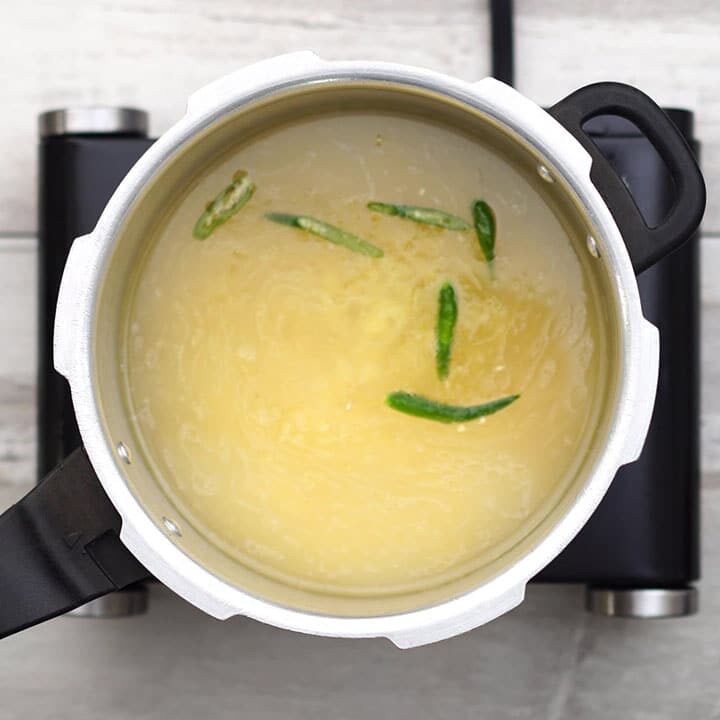
- Next, pour in water for the desired consistency. Add finely chopped green chili and ginger, plus a pinch of salt, blending them thoroughly with the rice and dal. These ingredients add a subtle, yet distinct, flavor profile.
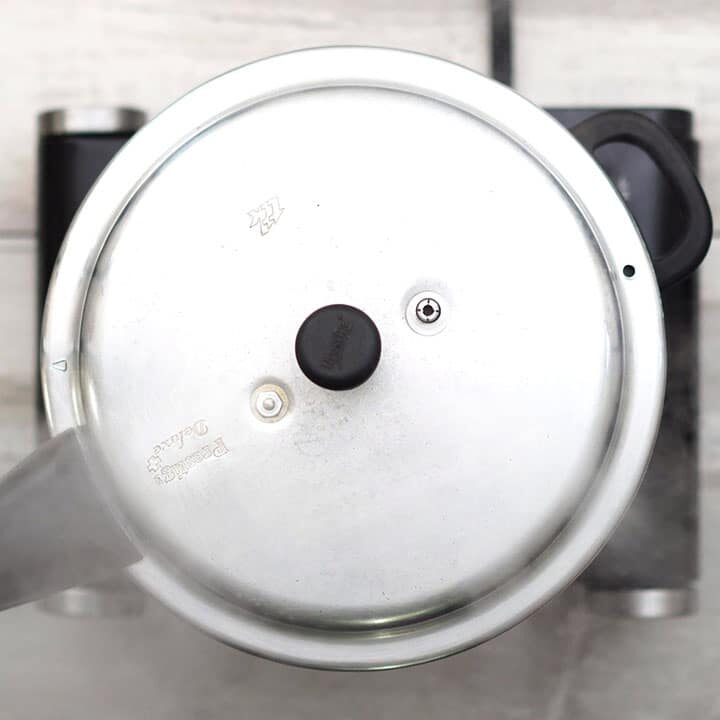
- Secure the lid and cook the mixture for four whistles. This timing is perfect for achieving the ideal softness in the rice and dal, essential for the dish's creamy texture.
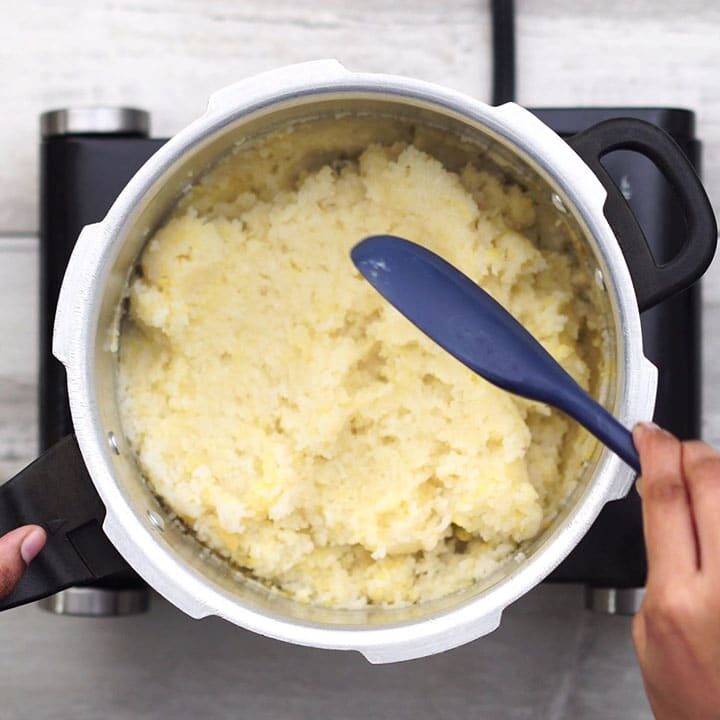
- Once the pressure releases naturally, open the lid and give the mixture a good stir. This helps in evenly distributing the moisture and flavors.
Tempering Ven Pongal
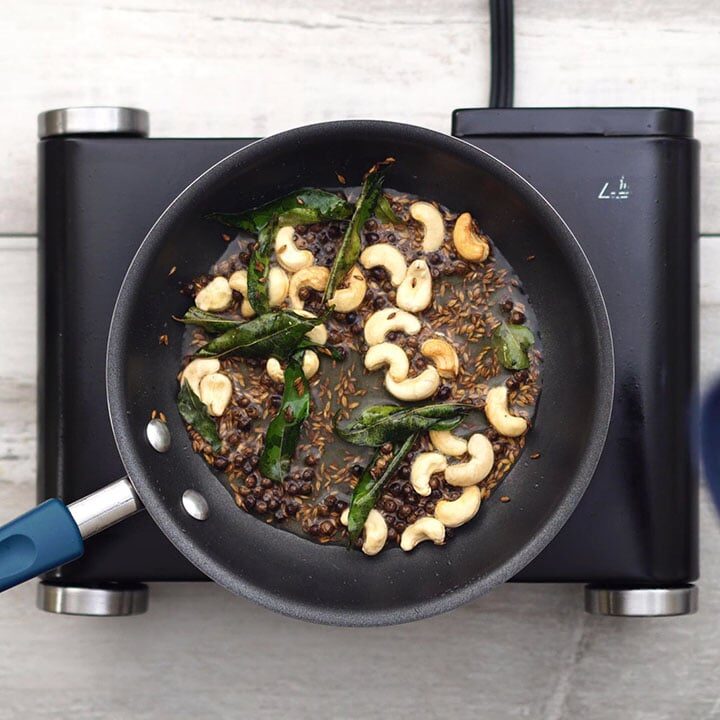
- In a separate pan, heat the ghee. Add cumin seeds, peppercorns, cashew nuts, and curry leaves, frying them until the cashews are golden. This tempering step is crucial for adding a crunchy texture and layered flavors to the Pongal.
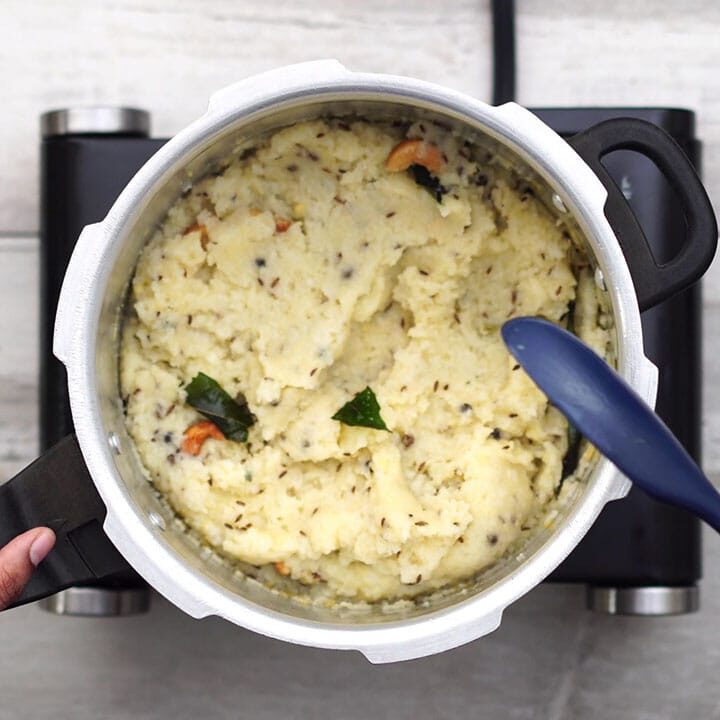
- Pour the tempered mixture over the cooked rice and dal. Mixing it gently ensures that the rich flavors and textures of the tempering are evenly distributed throughout the Pongal.
Serving
- Serve this delightful Ven Pongal hot, garnished with a sprinkle of fresh coriander or a dollop of ghee for added richness. For more pairing ideas and ways to enhance your meal, refer to the serving suggestions section.
Recipe Video
Chef's Notes and Tips
- Selecting the Right Rice: The choice of rice is crucial. Short-grain varieties like Sona Masoori are preferred for their ability to absorb flavors and become tender while cooking. These rice types contribute to the Pongal's signature mushy, comforting consistency. Avoid using long-grain or pre-cooked rice, as they won't provide the same creamy texture.
- Rice and Moong Dal Ratio: Start with a 1:¾ ratio of rice to moong dal for a traditional taste. If you prefer a richer, more dal-forward flavor, increase to a 1:1 ratio. This adjustment allows you to tailor the dish to your taste preferences while maintaining the classic Ven Pongal essence.
- Roasting Rice and Dal: Thoroughly roast the rice and moong dal until they're lightly golden. This step is not just about the aroma; it also helps in partially breaking down the grains, ensuring a creamier texture in the final dish. Be careful not to over-roast, as this can lead to a bitter taste.
- Spice Balance: Adjust the amount of cumin seeds, peppercorns, and curry leaves according to your taste. These spices are key to achieving the traditional flavor profile of Ven Pongal.
- Consistency Control: Pay attention to the water ratio when cooking. Ven Pongal should have a slightly loose, porridge-like consistency when finished. It thickens upon cooling, so adjust the water accordingly.
- Cooking on Stovetop: If you don't have a pressure cooker, you can still make delicious Pongal on the stovetop. Slow cook the mixture on a low flame, allowing all the ingredients to simmer together. This gentle cooking method brings out a depth of flavor and ensures a perfectly textured dish.
Nutrition Info
Disclaimer
We're not nutrition experts, and the nutritional information provided is an estimate. Please use it as a guide. For precise details, it's best to consult a professional. To learn more, please view our Detailed Disclaimers.
Dive into a culinary exploration of Indian recipes, featuring a variety of vegetarian breakfast options. Each recipe presents a harmonious mix of rich flavors and contrasting textures, creating a memorable taste experience.
Variations in Ven Pongal
Ven Pongal, a versatile and wholesome South Indian meal, offers numerous variations to suit different tastes and dietary needs. Here are some of the popular variations:
- Alternative Grains: While traditional Ven Pongal uses rice, many opt for healthier alternatives like Rava (semolina), quinoa, millets, or oats. These substitutes offer a nutritious twist while maintaining the dish's comforting essence.
- Coconut Addition: In Karnataka, a unique twist involves adding coconut to the recipe, known regionally as Khara Pongal. The coconut adds a subtle sweetness and texture to the dish.
- Restaurant-Style Ven Pongal: For a more indulgent version, some restaurants prepare Ven Pongal with an extra generous amount of ghee. This enhances the richness and depth of flavor, making it a luxurious treat.
- Vegan Adaptation: To make Ven Pongal vegan-friendly, replace ghee with coconut oil. This alteration creates a slightly different but equally delightful taste profile, catering to those following a plant-based diet.
- Modern Cooking Methods: Though traditionally cooked in an open vessel or pan, the use of instant pots and pressure cookers has become common. These modern methods significantly reduce cooking time, making Ven Pongal more accessible for busy lifestyles.
Serving Suggestions
Serving Ven Pongal in the most appealing way enhances its enjoyment. Here are some top serving suggestions:
- Traditional Accompaniments: Serve Ven Pongal with classic South Indian sides like sambar (a flavorful lentil and vegetable stew) and a variety of chutneys – coconut chutney, tomato chutney, or mint chutney. These add a range of flavors and textures, complementing the Pongal perfectly.
- Raita or Yogurt: A bowl of cooling cucumber or plain raita, or even just plain yogurt, can balance the warmth of the spices in the Pongal, adding a refreshing element to the meal.
- Garnishes: Enhance the dish's visual appeal and flavor by garnishing with fried cashews, a sprinkle of freshly chopped cilantro, or a few curry leaves fried in ghee.
- Additional Toppings: For extra richness, drizzle a spoonful of warm ghee over the hot Pongal just before serving. This not only adds flavor but also a delightful aroma.
- Papadams or Vada: Serve with crispy papadams (thin, crisp disc-shaped Indian food) or medu vada (savory fried snack), adding a crunchy texture contrast.
Storage Suggestions
For the best taste and quality, it's highly recommended to enjoy Ven Pongal fresh. If you do need to store it, first let it cool to room temperature. Then, store it in an airtight container in the refrigerator for no more than 2 days.
When reheating, only warm up the amount you'll consume, possibly adding a little water or milk to maintain its creamy consistency. Always check the Pongal for any signs of spoilage before eating. Keep in mind that while storage is possible, the fresh preparation of Ven Pongal offers the best flavor and texture.
Leave a Review