
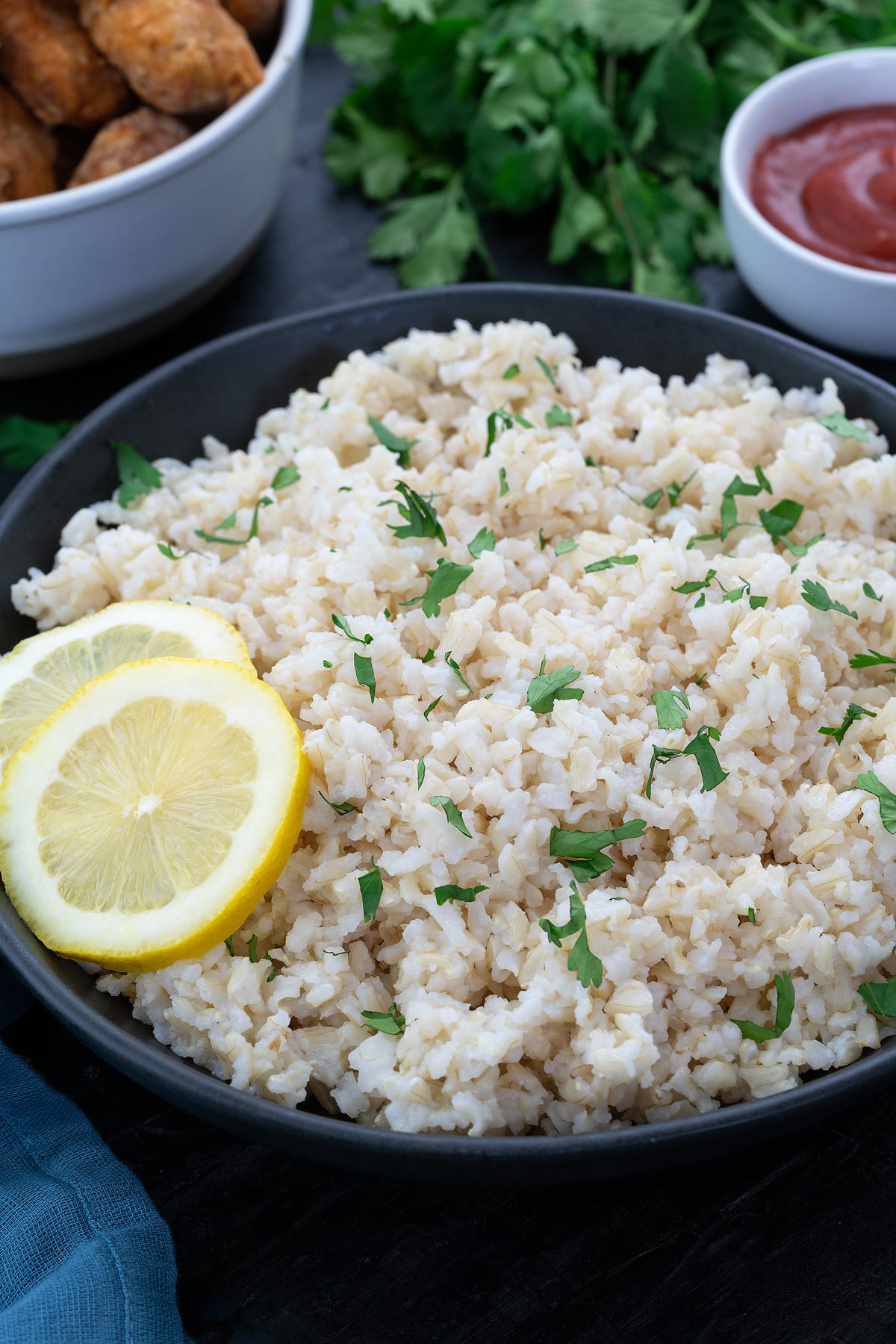
Brown rice is a healthy grain that’s easy to add to any meal. In this guide, we’ll cover the absorption method, a simple way to cook rice so it turns out soft and fluffy. It pairs well with many dishes. I’ve also included tips for cooking different types of brown rice, along with the rice-to-water ratios for varying textures, and the health benefits they offer.
What You’ll Find On This Page
Brown rice is high in fiber, vitamins, and minerals. It has a nutty flavor and a chewy texture. Unlike white rice, brown rice keeps its bran and germ layers intact, which are the parts that contain most of the nutrients. These layers are what give brown rice its earthy taste and added health benefits.
To cook it right, you just need to know the correct water-to-rice ratio and cooking time, which is usually longer than for white or basmati rice. It’s versatile and can be used in many dishes, making it a good choice for everyday cooking.
Explore a Variety of Rice Dishes:
Ingredients Overview
To cook brown rice, you'll only need a few simple ingredients. Let's go over what you’ll need.
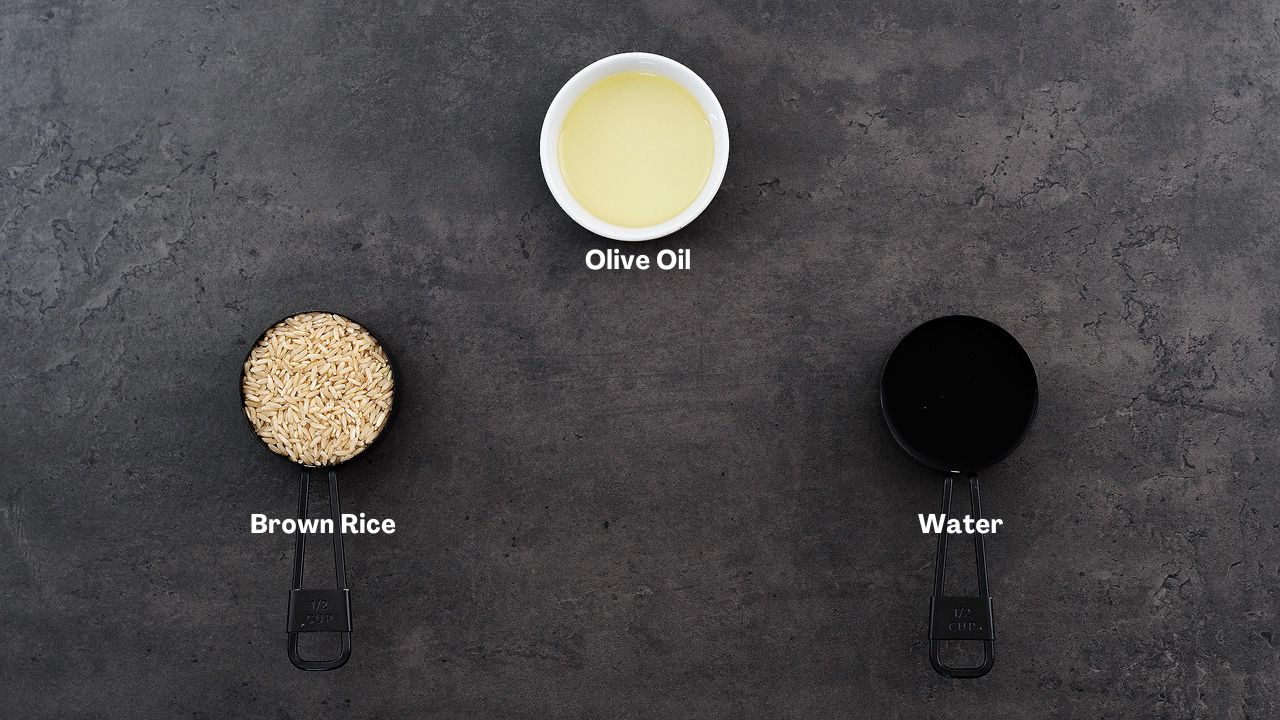
- Brown Rice: I’m using long-grain brown rice for this recipe, but feel free to use any variety you have at home. You can easily find it in most Indian stores or major retailers like Walmart and Safeway.
- Water: I recommend using filtered water for the best results and to avoid altering the taste of the rice.
- Olive Oil: Olive oil adds a nice flavor, but you can use butter or any other cooking oil you prefer.
- Salt (Optional): Adding salt is up to you. I’ve skipped it here since my family prefers to control the salt intake when pairing it with other dishes, but feel free to add it to your taste.
How to Cook Brown Rice at Home?
Cooking brown rice is simple, but I’ve included step-by-step photos and a video to make the process even easier. These guides will help make your cooking experience smooth and enjoyable. Now, let’s get started with the recipe!
Discover More Rice and Grain Recipes:
- White Rice
- Forbidden Black Rice
- Basmati Rice
- Jasmine Rice
- Coconut Rice
- Wild Rice
- Rice Pilaf
- Yellow Rice
- Barley
- Quinoa
- Couscous
Brown Rice
Ingredients
- 2 cups Brown Rice, long grain
- 4 cups Water
- 1 tbsp Olive Oil
Instructions
How to Cook Brown Rice
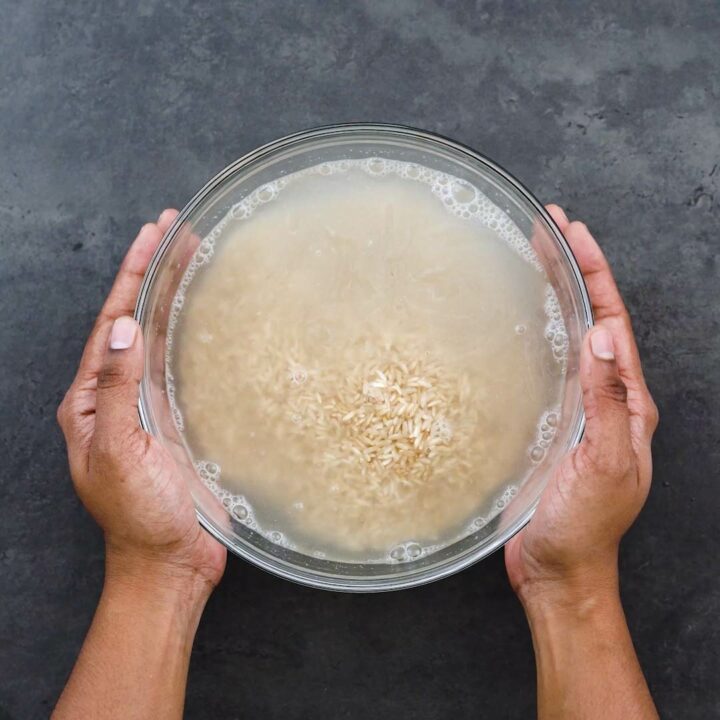
- Begin by washing the brown rice. Rinse it under water until it runs clear. This removes dust and excess starch, which helps prevent the rice from becoming sticky and makes the grains fluffier.

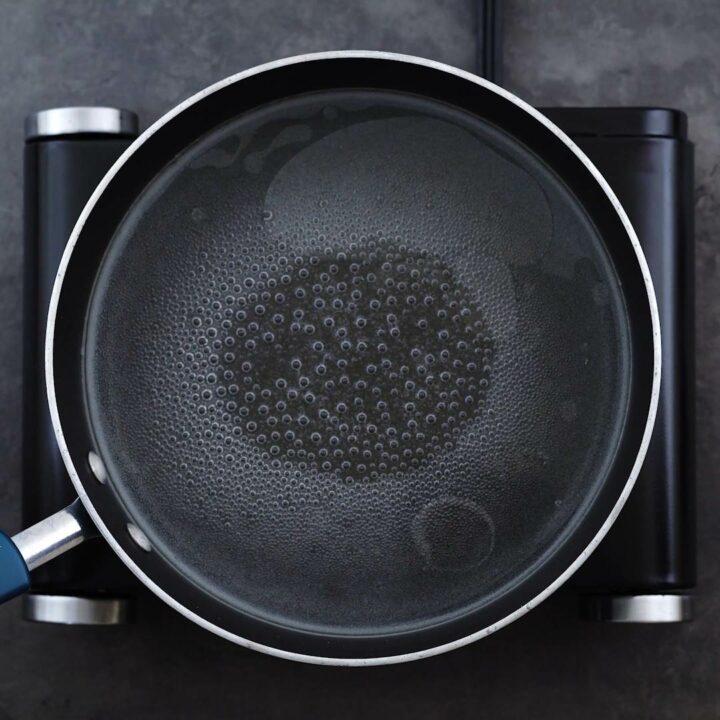
- Pour water and a bit of oil into a wide-bottomed pot and place it over medium heat. Bring the water to a boil. For this recipe, use a 1:2 ratio of rice to water, which results in softer rice. If you prefer firmer and more tender rice, opt for a 1:1¾ ratio.
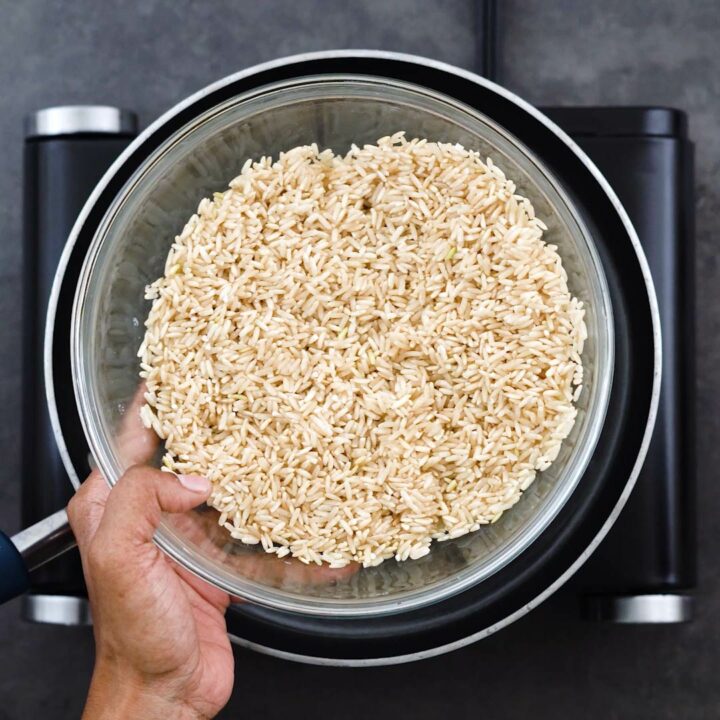
- When the water reaches a boil, add the rinsed brown rice and stir well to combine.
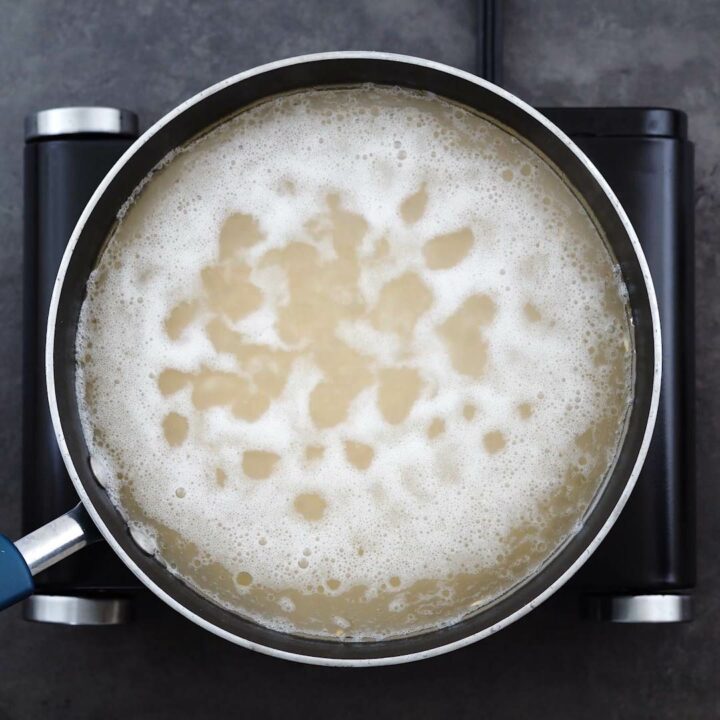
- Allow the rice to boil for 5 to 7 minutes. During this time, stir occasionally to prevent sticking.
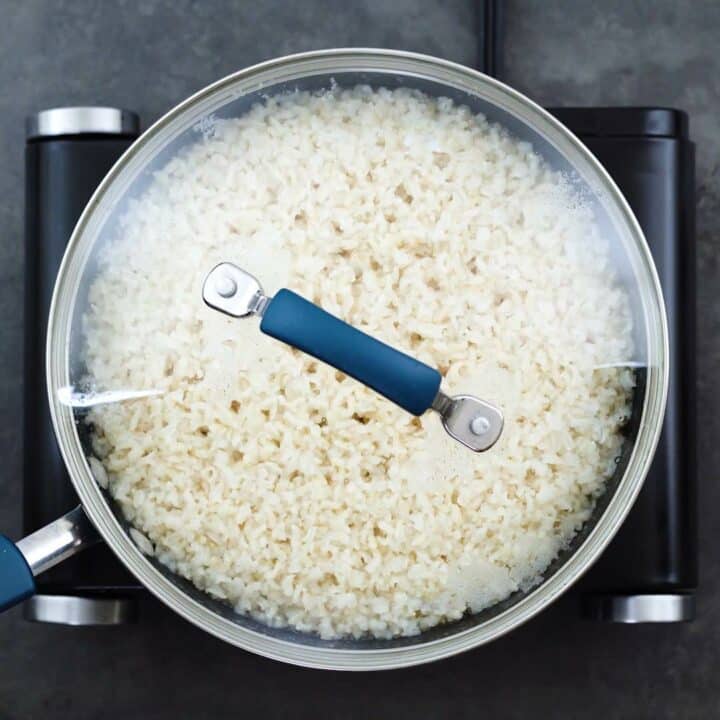
- After boiling, reduce the heat to low, cover the pot with its lid, and let the rice simmer for about 40 to 45 minutes, or until all the water is absorbed.
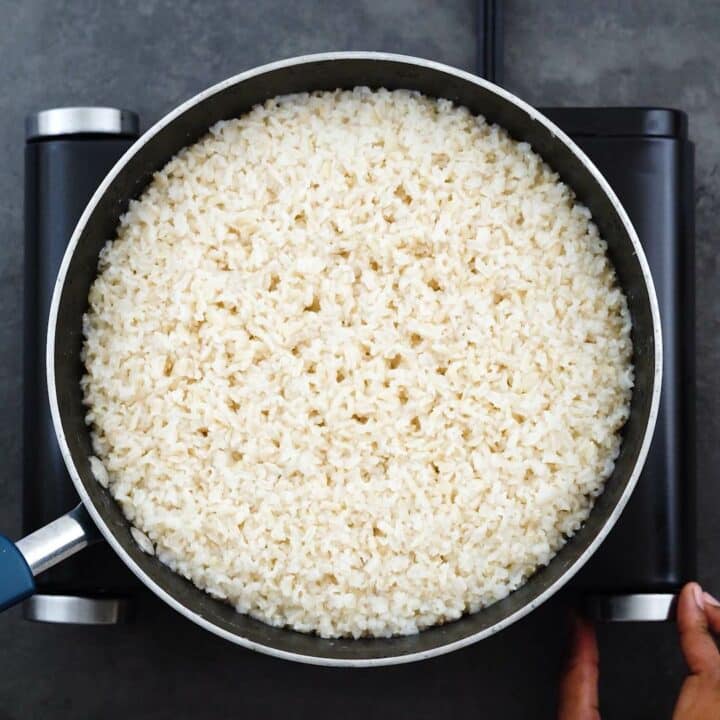
- Once the rice is cooked, turn off the heat. Then cover the pot again and let the rice rest for 10 minutes. This resting period helps the rice absorb any remaining water, improving its texture.
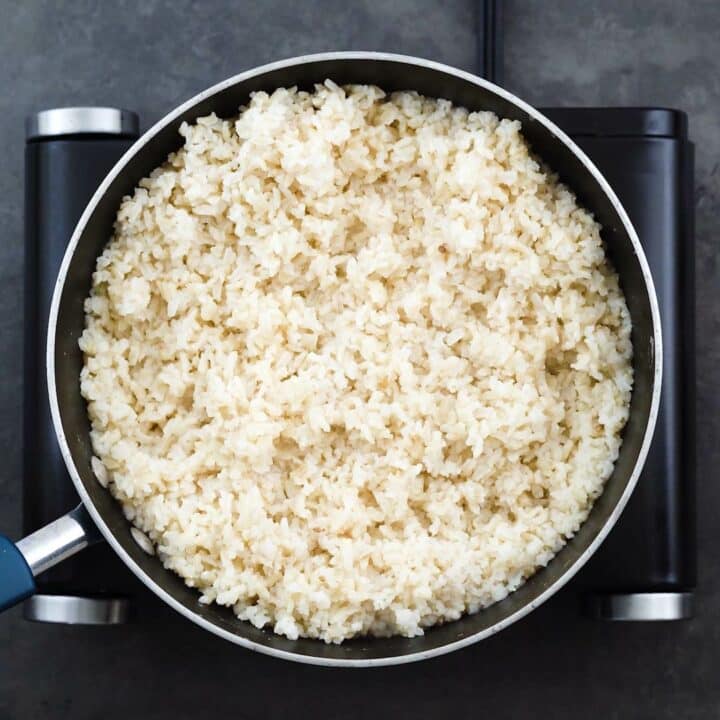
- Finally, remove the lid and use a fork to gently fluff the brown rice. Using a fork instead of a spoon helps separate the grains, keeping the rice light and airy rather than mashing it together. Now it’s ready to serve.
Serving
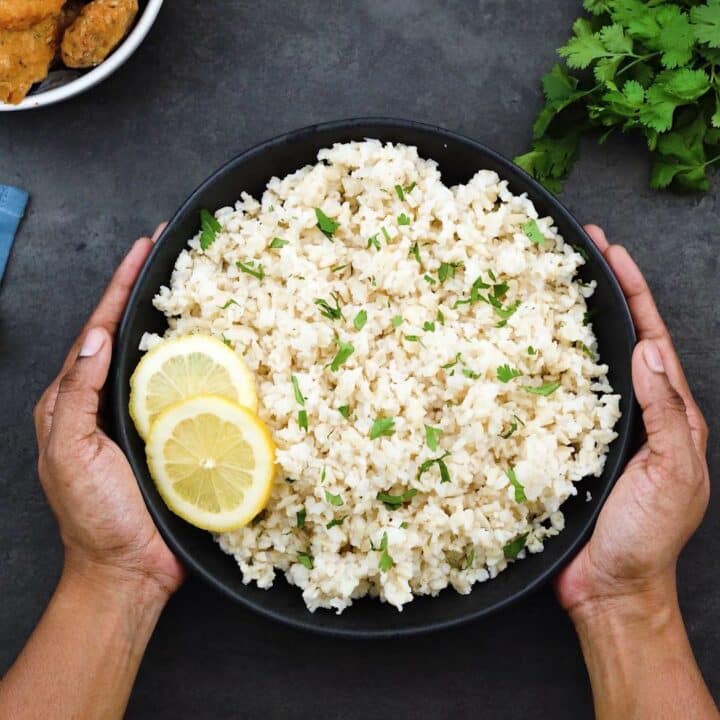
- Enjoy this perfectly cooked brown rice with a variety of your favorite dishes, such as roasted vegetables, baked or grilled meats, or seafood like chicken, salmon, or shrimp. Check out the Serving Suggestions section below for more pairing ideas.
Recipe Video
Chef's Notes and Tips
- Choose the Right Rice: The type of brown rice you use—short, medium, long, or basmati—matters. Each variety has its own water ratio and cooking time. Check the 'Brown Rice Types' section below for more details.
- Water Ratio is Key: Getting the rice-to-water ratio right is crucial for fluffy brown rice. Refer to the 'Brown Rice Water Ratio' section below for guidance on different rice types and their specific ratios.
- Salt is Optional: I didn’t add salt since brown rice is often served with salty dishes, and I prefer to control the salt intake. However, feel free to add it to your taste.
- Brown Rice Cooking Time: The cooking time for brown rice depends on the grain type. For long-grain brown rice, like the one in this recipe, it usually takes about 40 minutes on low heat to cook perfectly. Start by boiling the rice for 5 to 7 minutes, then reduce the heat. Overall, the rice should be ready in around 45 minutes.
- Gluten-Free: Brown rice is naturally gluten-free, making it a great option for those on a gluten-free diet. This also applies to other rice varieties like white, basmati, and wild rice. If you're gluten-sensitive or following a gluten-free diet, brown rice is a safe and nutritious choice for your meals.
Nutrition Info
Disclaimer
We're not nutrition experts, and the nutritional information provided is an estimate. Please use it as a guide. For precise details, it's best to consult a professional. To learn more, please view our Detailed Disclaimers.
Serving Suggestions
Brown rice is a versatile side that pairs well with a wide range of dishes. From savory stir-fries to proteins and vegetables, here are some pairing suggestions to match different tastes and preferences. Let’s explore these flavorful combinations!
- Vegetable Stir-Fry: Brown rice goes well with the light, fresh flavors of sautéed vegetables, making it a wholesome meal.
- Chicken and Broccoli Stir-Fry: Brown rice absorbs the savory sauce, adding a nice texture to this chicken and broccoli dish.
- Shrimp Stir-Fry: Brown rice pairs nicely with the shrimp and vegetables, making the dish more filling.
- Garlic Butter Shrimp: The garlic butter shrimp goes well with the hearty texture of brown rice.
- Baked Salmon: Brown rice is a healthy and filling base that complements the flavors of baked salmon.
- Teriyaki Salmon: The sweet and savory teriyaki glaze works well with the nutty taste of brown rice, making it more enjoyable.
- Honey Garlic Glazed Salmon and Chicken: The sweet glaze on both salmon and chicken pairs nicely with the chewy texture of brown rice.
- Baked Tilapia: The mild, flaky tilapia goes well with the earthy taste of brown rice, making it a simple, healthy meal.
- Baked Chicken Breasts: Brown rice adds a filling element to baked chicken, making it a balanced meal.
- Thai Basil Chicken: The slightly spicy flavors of Thai basil chicken pair nicely with the mild flavor of brown rice.
- Sautéed Dishes: Brown rice adds texture and substance to sautéed dishes, making them more filling.
- Roasted Vegetables: The deep flavors of roasted vegetables pair well with the earthy texture of brown rice.
Storage Suggestions
It’s best to enjoy the rice fresh, but if you have leftovers, store them in an airtight container in the refrigerator for up to 3 days. To reheat, add a little bit of water to the rice and microwave it in short intervals until heated through. You can also reheat it on the stovetop with a bit of water to prevent it from drying out.
Brown Rice Water Ratio
Getting the right rice-to-water ratio is key to achieving the texture you want. Since everyone has their own idea of 'perfect' rice, I’ve outlined a few ratios so you can choose the one that works best for you.
- Fluffy Yet Soft Brown Rice: Use a 1:2 ratio of rice to water. This is perfect for curries, stir-fries, or alongside baked or roasted chicken, salmon, and shrimp.
- Mushy Rice: A 1:2½ ratio works well for softer textures, ideal for rice soups, porridge, or sushi rolls.
- Firmer and Nutty Rice: A 1:1¾ ratio creates a firmer texture, great for salads or fried rice dishes.
Note: These ratios are for long-grain brown rice and may vary with other types of brown rice.
Brown Rice Types and Their Cooking Methods
Here’s a breakdown of different types of brown rice to help you choose the best one for your recipe:
- Short Grain: These grains are short and round. They tend to become mushy, so use a 1:1½ rice-to-water ratio for soft but fluffy results. Stick to this ratio no matter how you're cooking it.
- Medium Grain: Longer than short grain but shorter than long grain varieties like basmati. Use a 1:2 ratio for soft and fluffy rice, or a 1:1¾ ratio for a firmer texture.
- Long Grain: Cooking instructions for long grain brown rice are detailed in the recipe card above.
- Basmati Brown Rice: Known for its long, fluffy grains and aroma. It’s a healthier option than white basmati rice. Use a 1:1½ ratio of rice to water for the best results.
- Instant Brown Rice: These grains are precooked and dried, so they need less water and cooking time. Follow the package instructions for the best results.
Remember, the type of brown rice you use can change how your dish turns out. Check the packaging for specific details, and adjust the water ratios as needed.
Nutritional Benefits of Brown Rice
Brown rice is a great choice for those looking to maintain a healthy diet. Here are some key benefits, supported by sources like WebMD and the National Library of Medicine:
- Low Glycemic Index: Brown rice has a low glycemic index, which means it doesn’t cause rapid spikes in blood sugar. This makes it helpful for managing type 2 diabetes.
- Dietary Fiber: It’s rich in fiber, which promotes gut health, aids digestion, and helps prevent constipation.
- Weight Control: The high fiber content helps you feel full longer, which can support weight management. Plus, it’s lower in calories compared to white rice.
- Heart Health: The vitamins and minerals in brown rice are beneficial for heart health.
- Protein Content: Brown rice contains a good amount of protein and is also used to make protein powder, which helps with muscle building and repair.
Overall, brown rice offers more nutrition than white rice, providing important fibers, magnesium, vitamins, and minerals that contribute to heart and gut health.
Leave a Review