
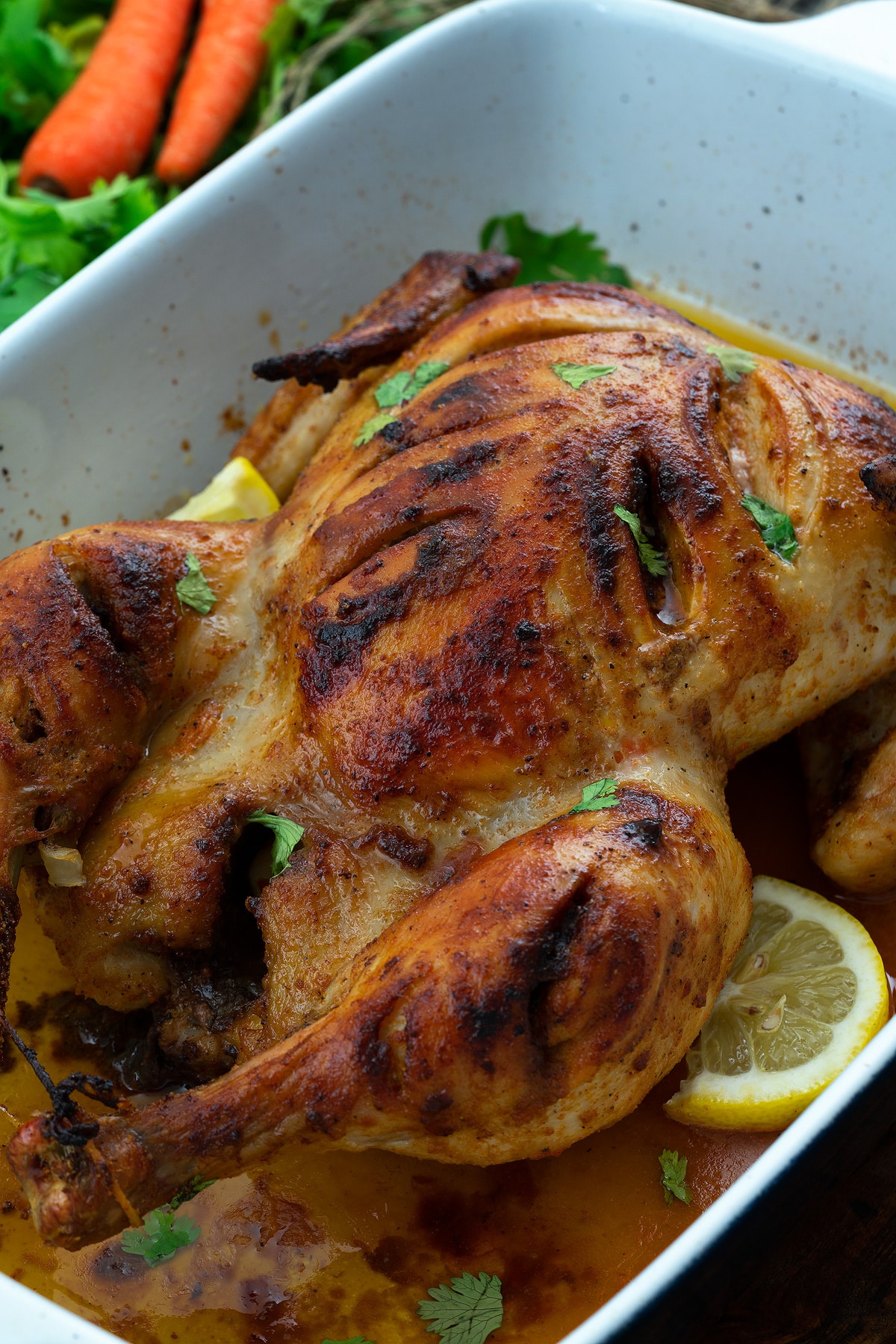
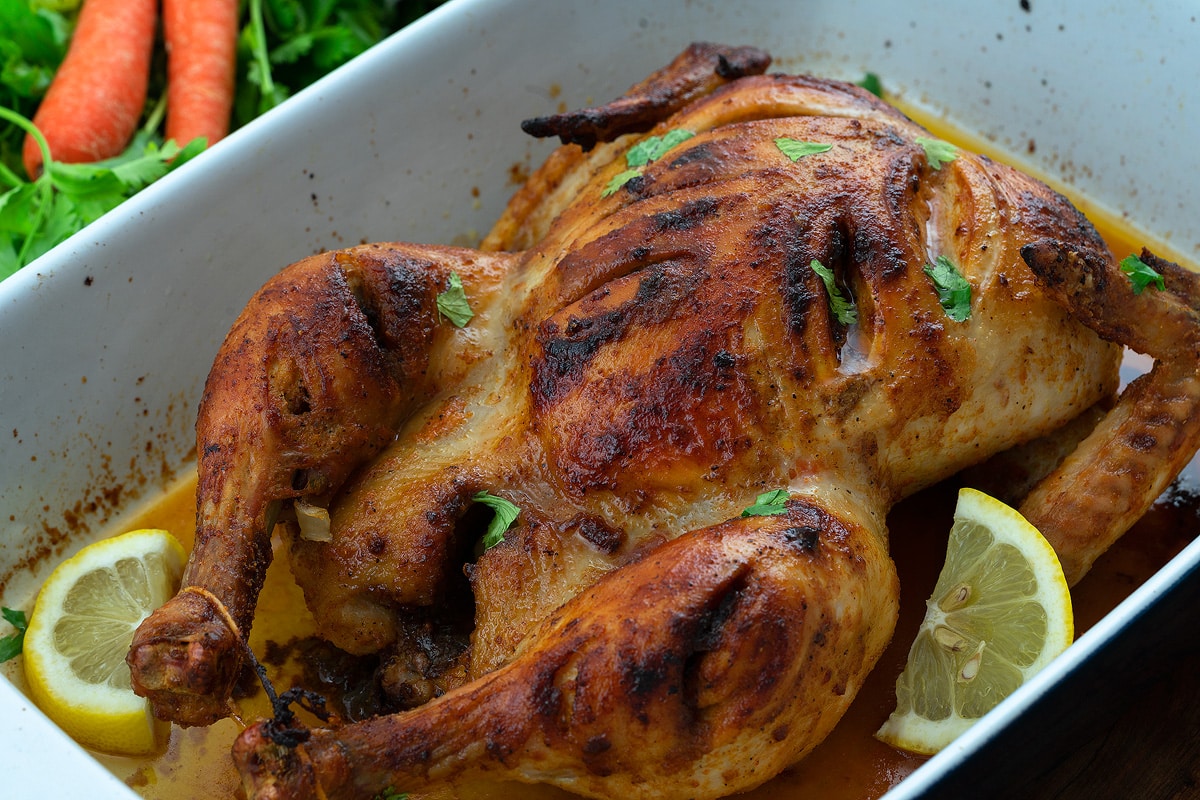
An Oven Roasted Whole Chicken is one of those timeless dishes that brings comfort to the table, with juicy, tender meat and a perfectly crispy skin. This recipe uses a whole chicken marinated in herbs and spices, making it flavorful, simple, and a perfect fit for almost any occasion—from a cozy family dinner to a special holiday like Thanksgiving.
What You’ll Find On This Page
One of the best things about this recipe? You can make it ahead! It keeps well in the fridge and freezer, so you can prep it in advance and have one less thing to worry about on busy days. And if there are any leftovers, they’re perfect for sandwiches, salads, or quick lunches during the week.
I’ll guide you through some easy tips to make sure your chicken turns out beautifully golden and full of flavor. With a few simple steps, you’ll have a delicious roasted chicken that’s sure to be the highlight of your meal.
Ingredients and Substitutions Overview
To prepare this Roasted Chicken, you’ll just need a few basic seasonings and fresh herbs that are easy to find at most grocery stores. Here’s a look at the essential ingredients:
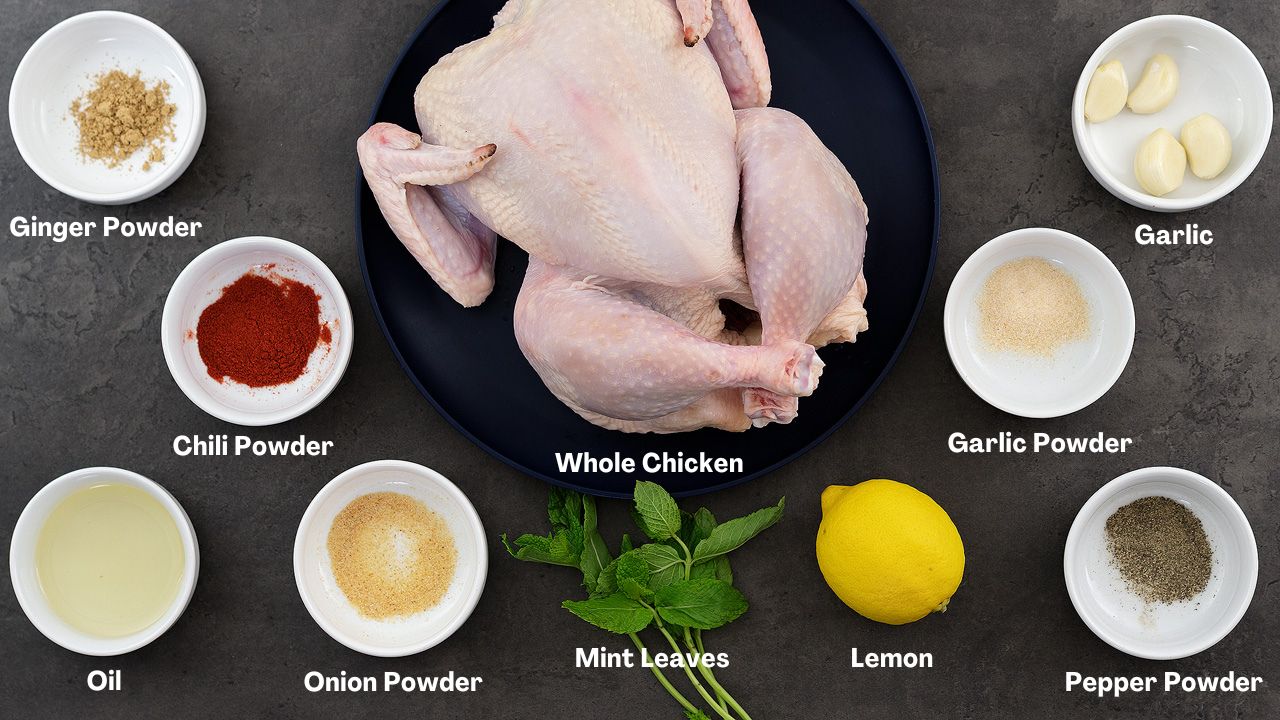
- Chicken: Go for a whole chicken with skin—this way, you’ll get that perfect mix of juicy meat and crispy skin. Just remember to remove any giblets from the cavity for a cleaner taste.
- Seasoning Powders: I like to use a mix of ginger, garlic, onion, pepper, chili powder, and salt. This combo brings out a deep, savory flavor that really complements the chicken.
- Lemon: Adding lemon juice to the marinade and placing some lemon wedges inside the chicken gives it a refreshing, citrusy zest. It’s a nice way to balance out the richness.
- Oil or Butter: This helps create a beautifully browned, appetizing skin while adding a layer of richness to the chicken.
- Garlic: Placing garlic in the cavity adds a subtle garlicky flavor that permeates through the meat as it roasts.
- Herbs: Fresh herbs like mint, rosemary, or thyme give an aromatic freshness that pairs well with the savory flavors. Feel free to use what’s available or what you prefer for a unique twist.
How to Roast Whole Chicken in an Oven?
Let’s make this Oven Roasted Chicken together! We’ll start by preparing the marinade, then move on to marinating the chicken, and finally roast it to golden, crispy perfection. I’ve included photos and a video to guide you along, so no need to worry—you’ll have a visual guide every step of the way. Let's get started!
Explore More Delicious Baked Chicken Recipes:
- Baked Chicken Breast
- Baked Chicken Thighs
- Baked Chicken Leg Quarters
- Baked Chicken Drumsticks
- Baked Chicken Wings
- Baked Chicken Parmesan
- Oven Fried Chicken
- Spinach Stuffed Chicken Breast
- Baked Chicken and Rice
- Tandoori Chicken

Roasted Chicken
Ingredients
To Prepare Seasoning Marinade
- ½ tsp Ginger Powder
- ½ tsp Garlic Powder
- ¾ tsp Onion Powder
- ½ tsp Pepper Powder, black or white pepper
- 1 tsp Chili Powder, or paprika, for less heat
- Salt, to taste
- 1 tbsp Lemon Juice
- 2 tbsp Oil
Other Key Ingredients
- 4 lb Whole Chicken, skin-on
- 4 Garlic Cloves
- 2 sprigs Mint Leaves, or cilantro, thyme or rosemary
- 2 Lemon Wedges
Instructions
Preparing Seasoning Marinade
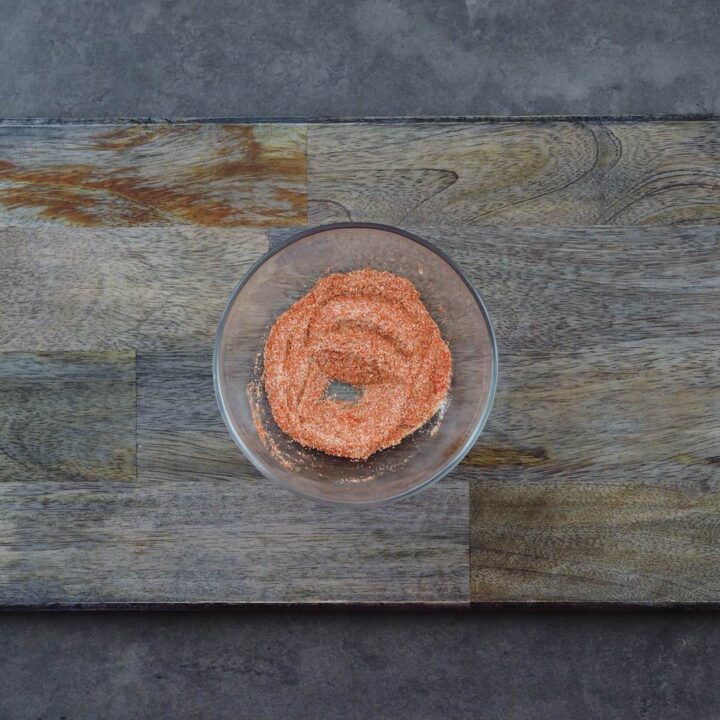
- In a mixing bowl, combine ginger, garlic, and onion powders with pepper and chili powder for a bit of spice. Add a pinch of salt for extra flavor, and stir well until everything is mixed evenly.

- Next, add the lemon juice for a tangy kick, followed by a bit of oil to bring the marinade together and add moisture. Whisk everything thoroughly until you have a smooth, well-blended marinade that’s ready to use in the next step.

Marinating the Whole Chicken
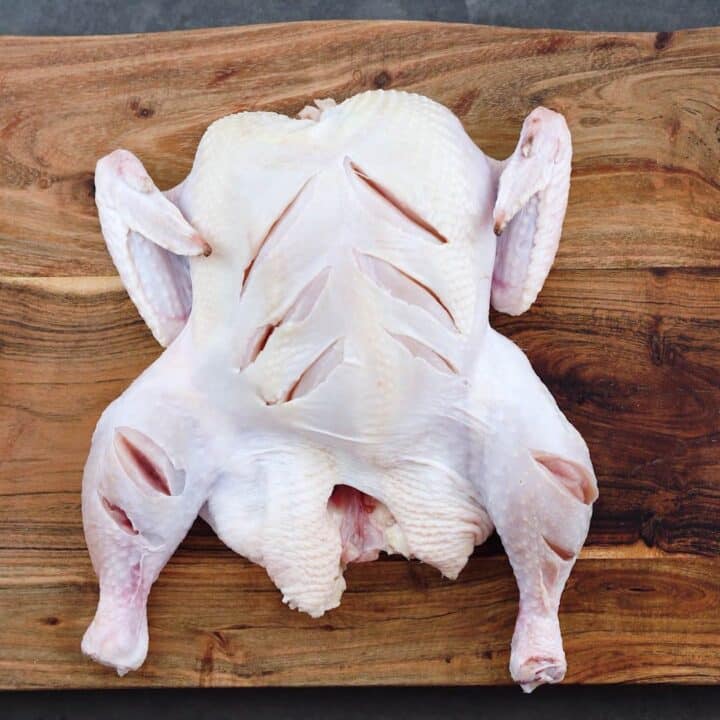
- Start with the cleaned whole chicken and make a few slits near the breasts and legs with a sharp knife. These cuts help the marinade soak in, giving the chicken deeper flavor.
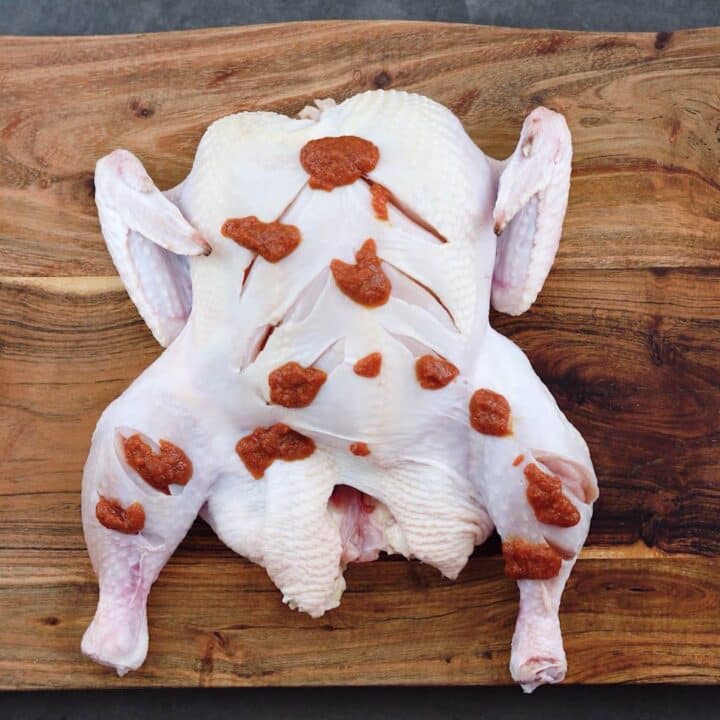
- Generously apply the marinade over the entire chicken. Use your hands to rub it in thoroughly, making sure every part is well-coated for an even seasoning.
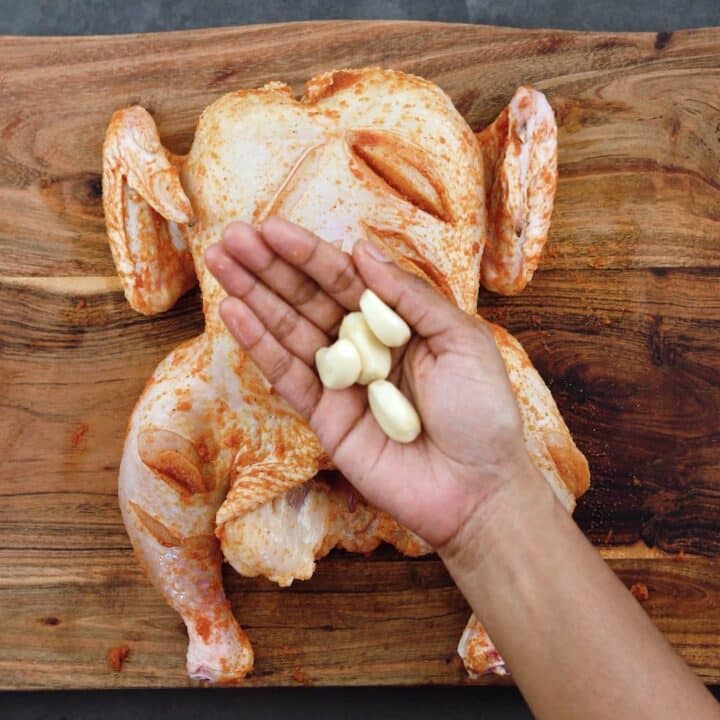
- For extra aroma and flavor, stuff the cavity with mint leaves, garlic, and lemon wedges. Then, tie the legs together with kitchen twine to help the chicken keep its shape and cook evenly.
Oven Roasting the Chicken
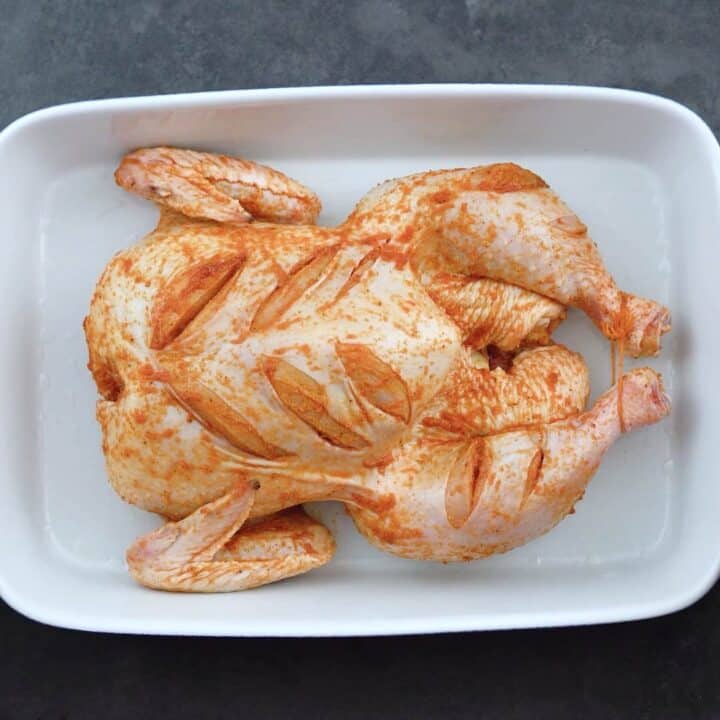
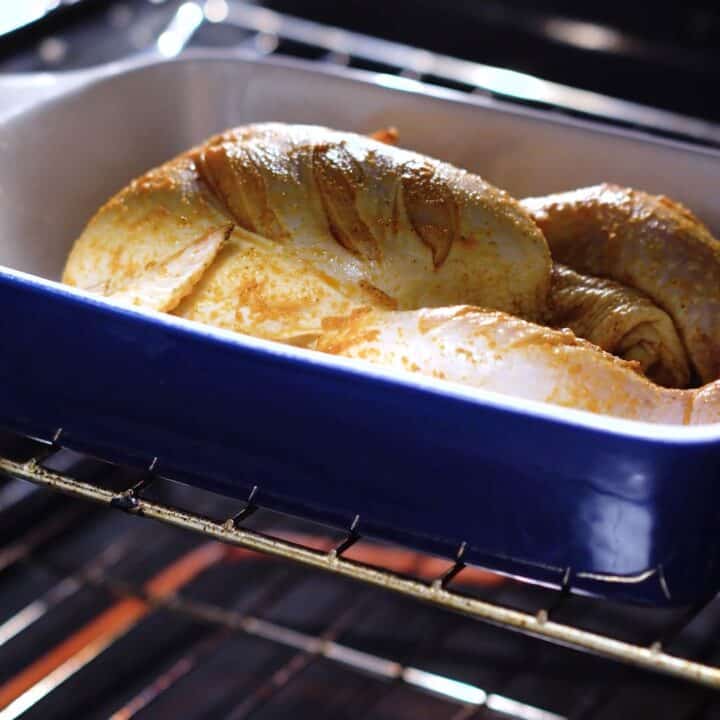
- Place the marinated chicken on an oil-greased baking tray, setting it up for even cooking.
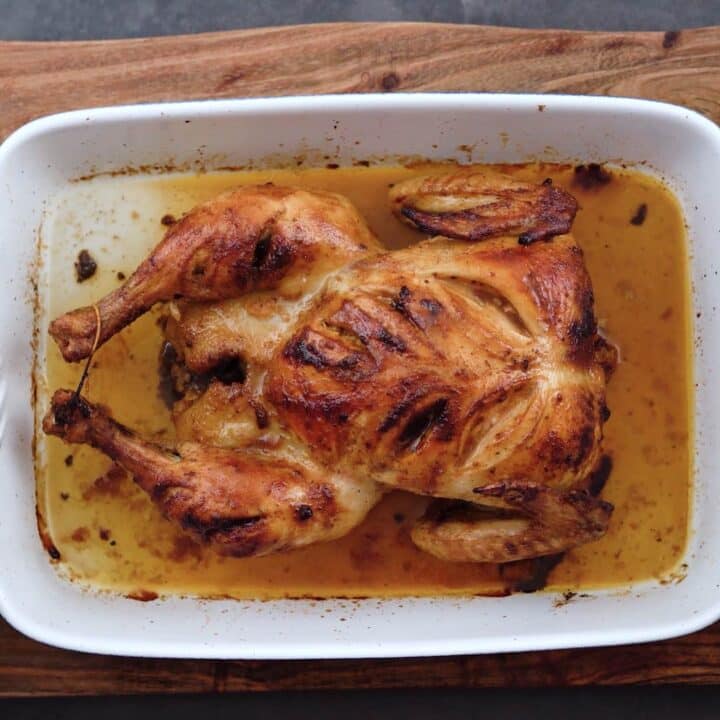
- Roast the chicken in a preheated oven at 375°F for about 1 hour and 20 minutes. To boost flavor and keep it juicy, baste the chicken with its juices every 20 minutes. For a crispy skin, switch to broil mode for the last 5 to 7 minutes of roasting.
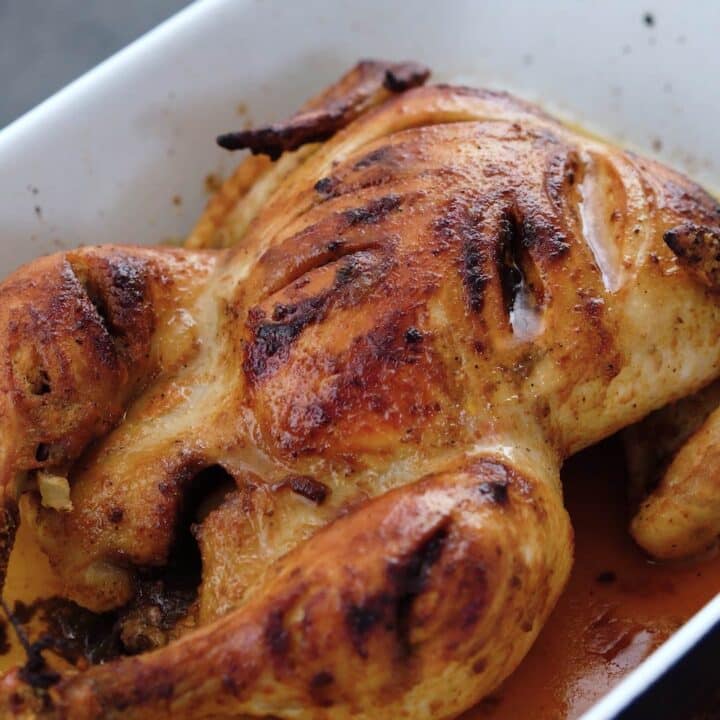
- When the time is up, carefully remove the roasted chicken from the oven. It’s now ready to serve with a perfect mix of flavors and textures. For the best results, let the chicken rest for 10-15 minutes after roasting. This short break allows the juices to redistribute throughout the meat, making each bite even more moist and flavorful.
Serving
- Enjoy your Oven Roasted Chicken with a variety of sides to complete the meal. For more creative pairing ideas and ways to use leftovers, check out our dedicated Serving Suggestions and How-To sections below.
Recipe Video
Chef's Notes and Tips
Preparation and Cooking Techniques:
- Room Temperature Start: Let the chicken sit at room temperature before roasting. This helps it cook more evenly and can reduce the overall cooking time.
- Seasoning: The seasoning provided here works wonderfully. But if you’re looking to try different flavors, explore our collection of seasoning and marinade recipes to find options that suit your taste. For a richer twist, try using garlic butter as the marinade—it adds a creamy texture and a savory touch that pairs beautifully with the chicken.
- Trussing the Chicken: Trussing (tying up) the chicken helps it hold its shape and promotes even cooking. It also keeps the wings and legs from burning, so don’t skip this step!
- Optimal Oven Temperature: For a whole chicken, 375°F is ideal—it cooks the meat through without drying it out and allows the skin to crisp up nicely. Avoid setting the temperature too high, which can dry out the chicken, or too low, which may lead to undercooking. For an extra-crispy skin, switch to broil mode during the last 5-7 minutes of cooking.
- Checking Doneness: A meat thermometer is the best way to check that the chicken is fully cooked. Insert it into the thickest part of the breast and thigh, aiming for a safe internal temperature of 165°F (75°C), as recommended by the FDA. This step helps make your chicken both delicious and safe to eat.
Flavor Enhancement and Final Touches:
- Basting Benefits: Basting the chicken with its own juices every 20 minutes is key for adding flavor and keeping it moist throughout. This step is especially useful for the breast meat, which can dry out faster than other parts. Regular basting helps each bite stay juicy and flavorful.
- Vegetable Bed: Place the chicken on a bed of vegetables like carrots, onions, and celery in the roasting pan. This elevates the chicken for even cooking, while also infusing the drippings with flavor. You can use these flavorful drippings to make a rich, savory gravy—perfect for serving alongside the chicken.
- Herb Brush: For a simple way to add extra flavor, tie fresh herbs (like rosemary or thyme) to a wooden spoon and use it as a brush to baste the chicken. This little trick adds a fresh, herby note that infuses into the meat.
Additional Tips:
- Roasting Time and Temperature for Whole Chicken: For a juicy, crispy chicken, roast a 4 lb chicken at 375°F for about 1 hour and 20 minutes. Keep in mind that roasting time may vary based on the chicken’s size and your oven’s accuracy. For extra crispiness, broil for the last 5-7 minutes.
- Alternative Method: Start at 375°F for the first 30 minutes, then increase the heat to 400°F for the rest of the time. This approach also gives you a nicely crisped skin and juicy meat, with plenty of pan juices for serving.
Nutrition Info
Disclaimer
We're not nutrition experts, and the nutritional information provided is an estimate. Please use it as a guide. For precise details, it's best to consult a professional. To learn more, please view our Detailed Disclaimers.
Serving Suggestions
Oven Roasted Chicken is a go-to choice because it pairs well with so many different dishes, from comforting classics to creative twists. Here are some of my top pairing suggestions that I think you’ll love:
- Classic Sides: For a balanced meal, serve the chicken with roasted vegetables like carrots, Brussels sprouts, or potatoes. Mashed potatoes are also a classic choice that pairs beautifully with the juicy chicken. Add a fresh green salad for some crunch and freshness on the side.
- Grain Options: If you want something to soak up the flavorful juices, try serving it over rice (white, brown, or yellow rice works well), quinoa, or couscous. Each grain brings a unique texture, and they’re perfect for making the meal feel hearty.
- Caesar or Cobb Salad: Add the chicken to a Caesar or Cobb salad for a satisfying and protein-packed meal. Top with crisp lettuce, croutons, and a drizzle of your favorite dressing.
- Party Dips: Try Garlic Aioli for a creamy garlic flavor, Cranberry Sauce and Honey Mustard Sauce for something sweet and tangy, or BBQ Sauce for a smoky taste. You can also go with classic Mayo or add some heat with Buffalo Sauce. For a fresh, herby touch, Tzatziki or Pesto work well, while Hummus gives a smooth and mild option that’s always satisfying.
How to Use Leftover Roasted Chicken
Got leftover roasted chicken? Here are some easy and delicious ways to transform it into new meals, from hearty pasta dishes to quick wraps and salads.
- Sandwiches or Wraps: Use any leftovers to make quick sandwiches or wraps. Add fresh lettuce, tomato slices, and your favorite sauce or mayo for an easy lunch. You could even try it in a pita with some hummus for a twist.
- Chicken Salad: Shred the chicken and mix it with mayonnaise, diced celery, and fresh herbs like parsley or dill. This makes a flavorful chicken salad that’s perfect for sandwiches, wraps, or served over a bed of greens.
- Pasta Dishes: Toss the chicken into pasta dishes like fettuccine or pesto chicken pasta for a satisfying meal. It pairs well with light sauces like olive oil and garlic or a creamy sauce if you’re craving something richer. For an extra touch, sprinkle some Parmesan on top.
- Soups and Stews: Boost the protein in soups or stews by adding shredded or chopped leftover chicken. It goes great in chicken soup, chicken noodle soup, or hearty stews for an easy and flavorful upgrade.
- Tacos or Quesadillas: Shredded chicken is fantastic for tacos or quesadillas. Simply add cheese, salsa, and a little guacamole for a quick meal that’s big on flavor. You could also add chopped onions or cilantro for extra freshness.
- Asian Flair: For a quick, Asian-inspired meal, stir-fry the chicken with bell peppers, broccoli, and a soy-based sauce. Serve over rice or noodles for a complete dish that’s packed with flavor.
- BBQ Chicken Pizza: Use the chicken as a pizza topping! Spread barbecue sauce on the crust, add chicken pieces, sliced onions, and shredded cheese. It’s a delicious way to make use of leftovers and adds a fun twist to pizza night.
- Chicken Fried Rice: Use leftover chicken to make a quick, satisfying meal. Dice the chicken and stir-fry it with rice, veggies like peas and carrots, a splash of soy sauce, and a dash of sesame oil. In just a few minutes, you’ll have a flavorful fried rice with minimal prep.
Storage Suggestions
This Roasted Chicken tastes best when served warm, fresh out of the oven. But if you have leftovers, here’s how to store them to keep the flavors and textures as good as possible.
- Refrigerating: For short-term storage, place the leftover chicken in an airtight container and store it in the refrigerator for up to 2 days. If possible, remove the meat from the bones before refrigerating, as this helps it cool more evenly and avoids a soggy texture.
- Freezing: For longer storage, freeze the chicken without the bones for up to a month. To prepare it for freezing, strip the meat from the bones and place it in an airtight container or freezer bag. Removing air from the container or bag as much as possible helps prevent freezer burn. When you’re ready to enjoy it, thaw in the refrigerator overnight or reheat directly in a low-temperature oven or microwave for best results.
Tip: If you plan to use the leftovers in other recipes, consider portioning the chicken before storing it. This way, you can grab just what you need for salads, stir-fries, or sandwiches without having to thaw the entire batch.
Leave a Review